Stories
.png)
October, 2026
Beyond Release: Supporting Njeri’s Journey Towards a New Beginning
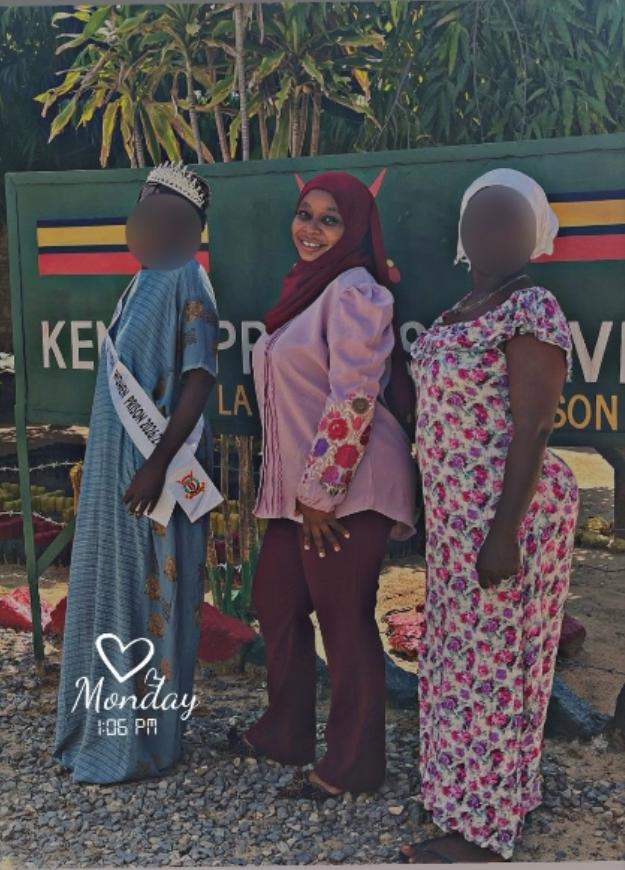
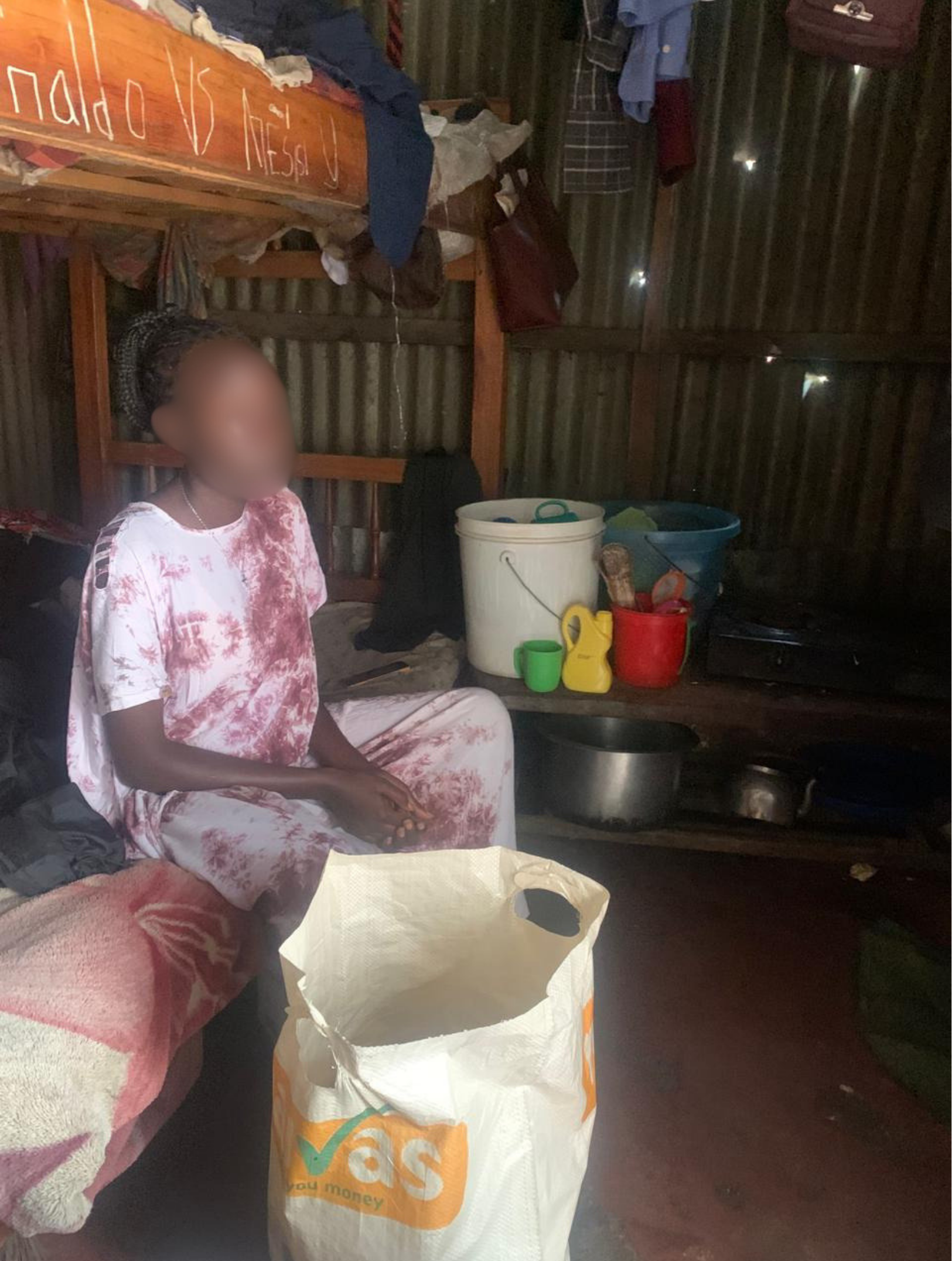
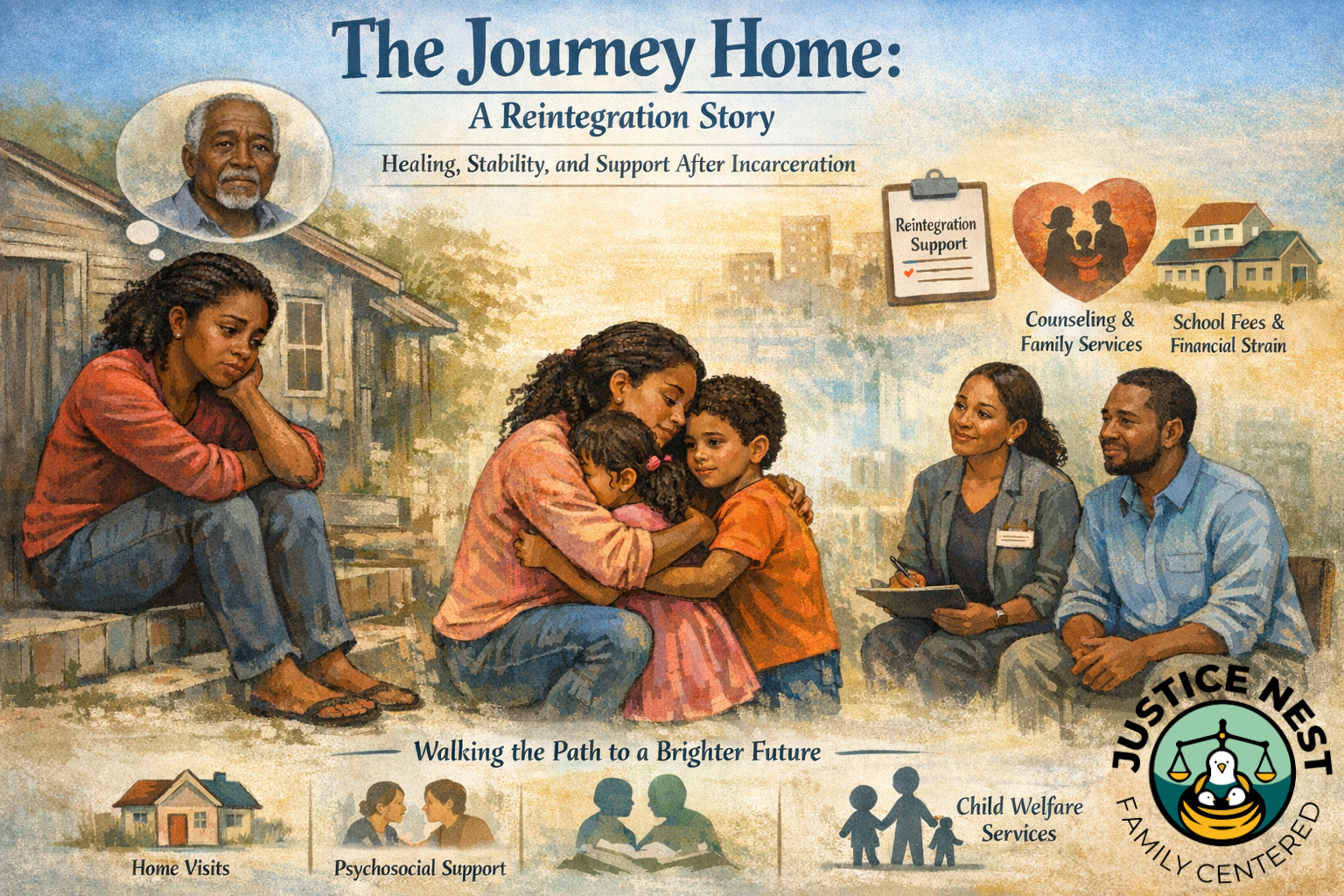
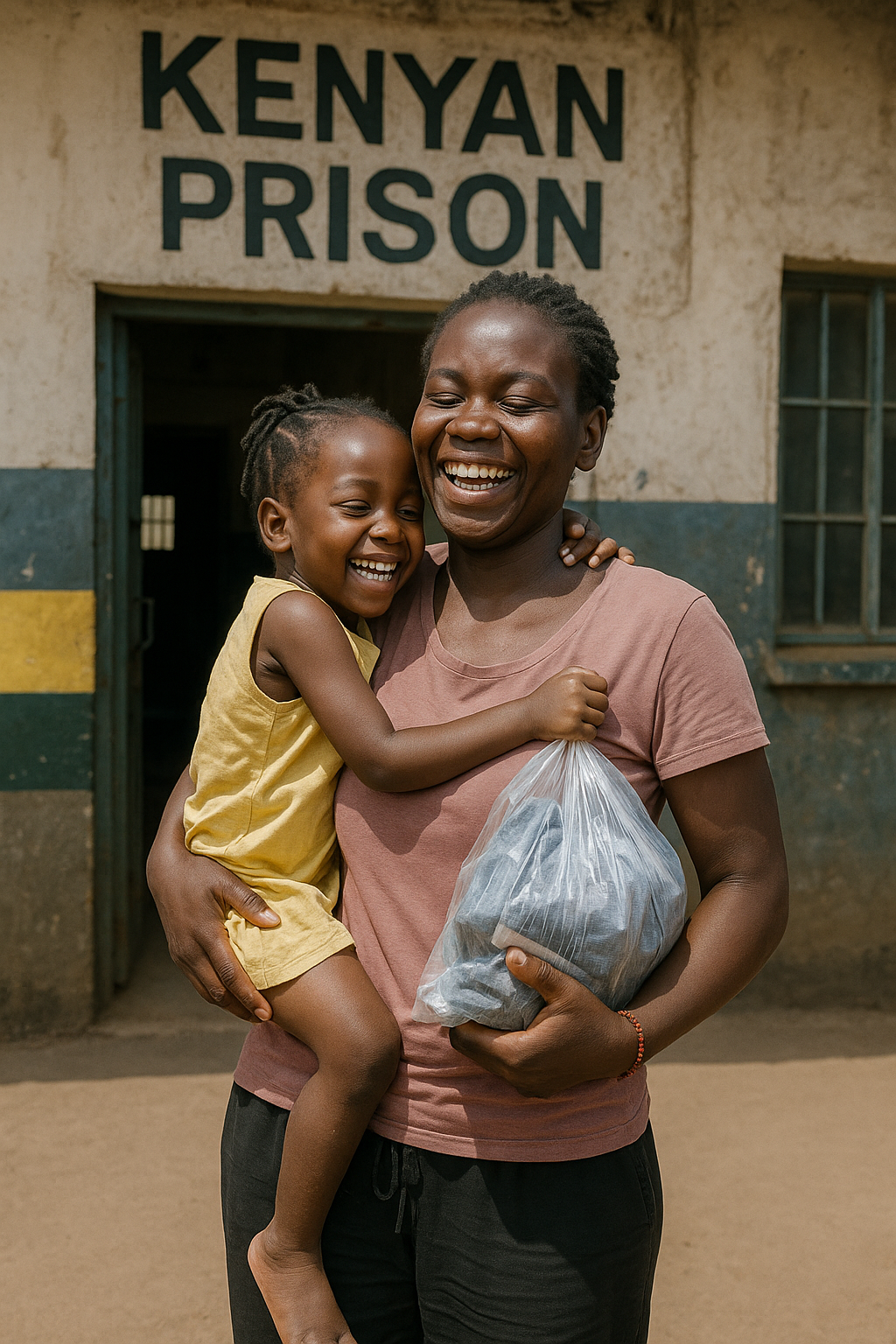
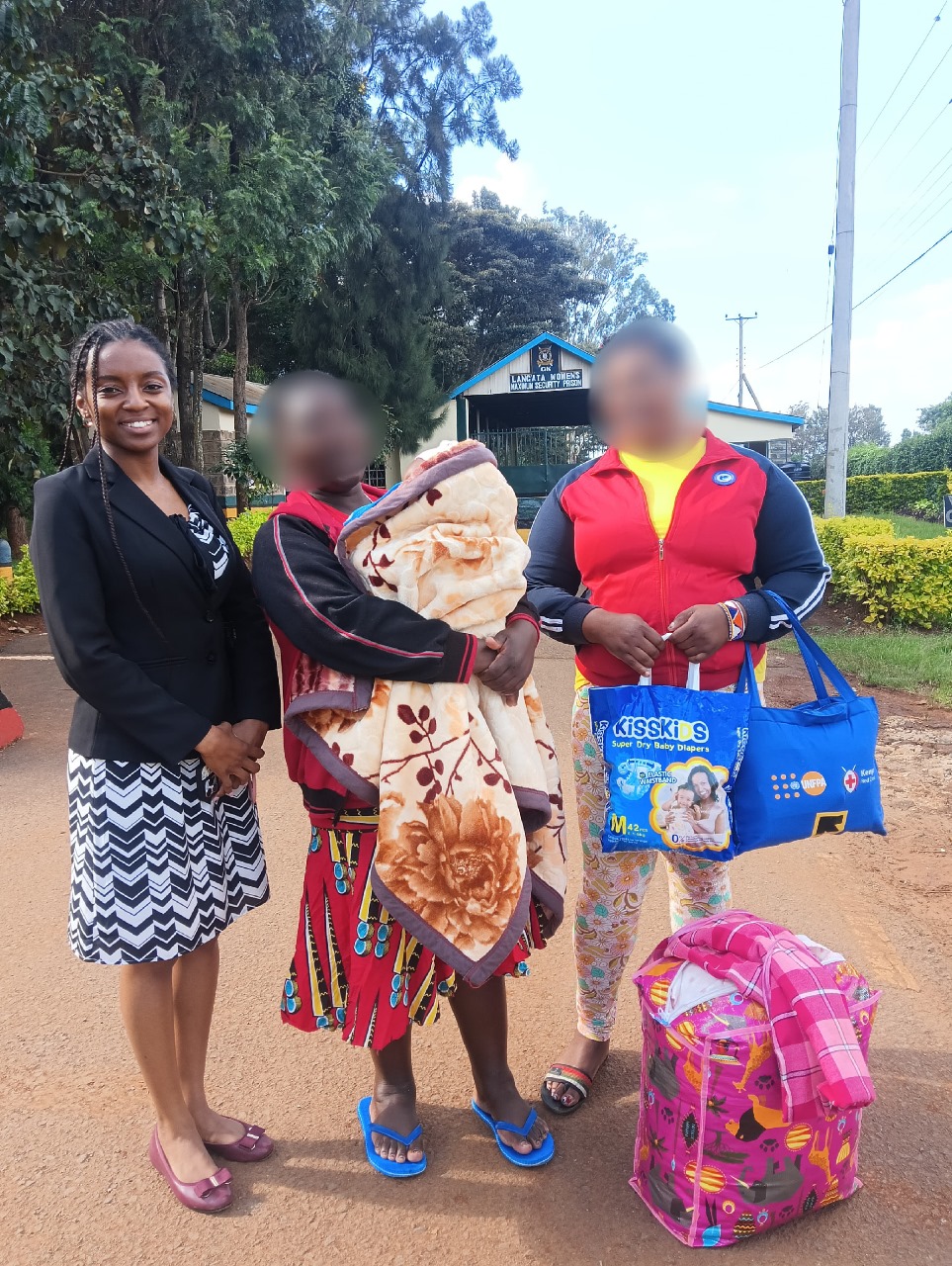
For Njeri, release from prison represents an important opportunity to rebuild her life, but the road ahead remains difficult as she works towards regaining her independence, finding a reliable source of income, and restoring her connection with her children. She was welcomed by her mother and sister, whose presence offers a source of family support as she begins navigating the practical and emotional challenges of life outside custody. Although this marks a significant step forward, Njeri continues to face financial uncertainty and family separation, making access to appropriate legal, psychosocial, and livelihood support essential to her journey.
Njeri has shared her experience of domestic violence and coercive control within her marriage, describing incidents of alleged physical harm, the destruction of her phones, and interference with her ability to work and support herself. She also reported losing her smokies vending trolley, which had provided a means of earning an income, after her husband allegedly took it and sold it. Experiences of violence and economic control can undermine a person’s safety, independence, and ability to make decisions about their future, particularly when financial resources and family support are limited. Njeri’s circumstances illustrate how the challenges faced by women can overlap, with domestic violence, economic vulnerability, and the effects of incarceration creating additional barriers to rebuilding a stable life.
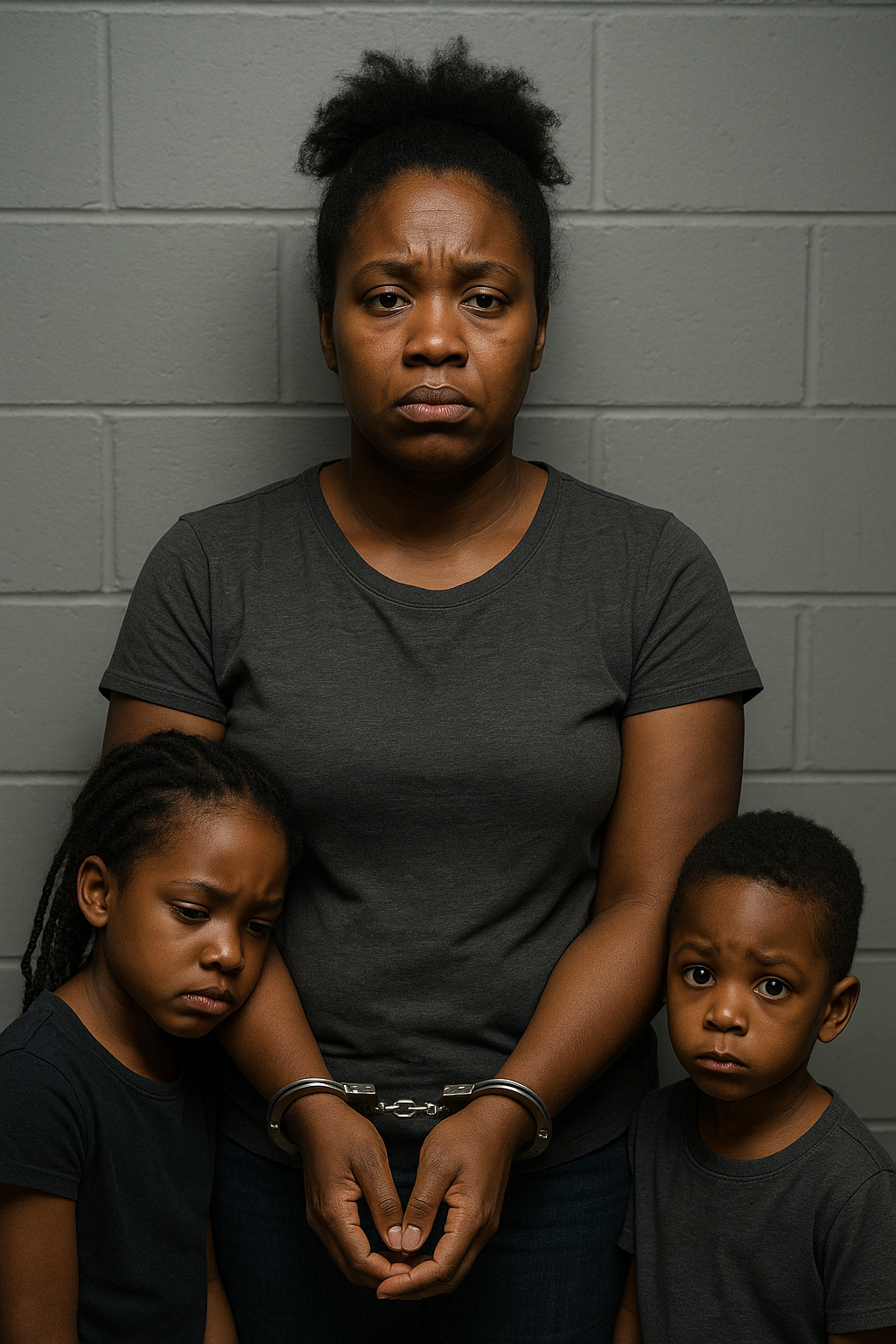
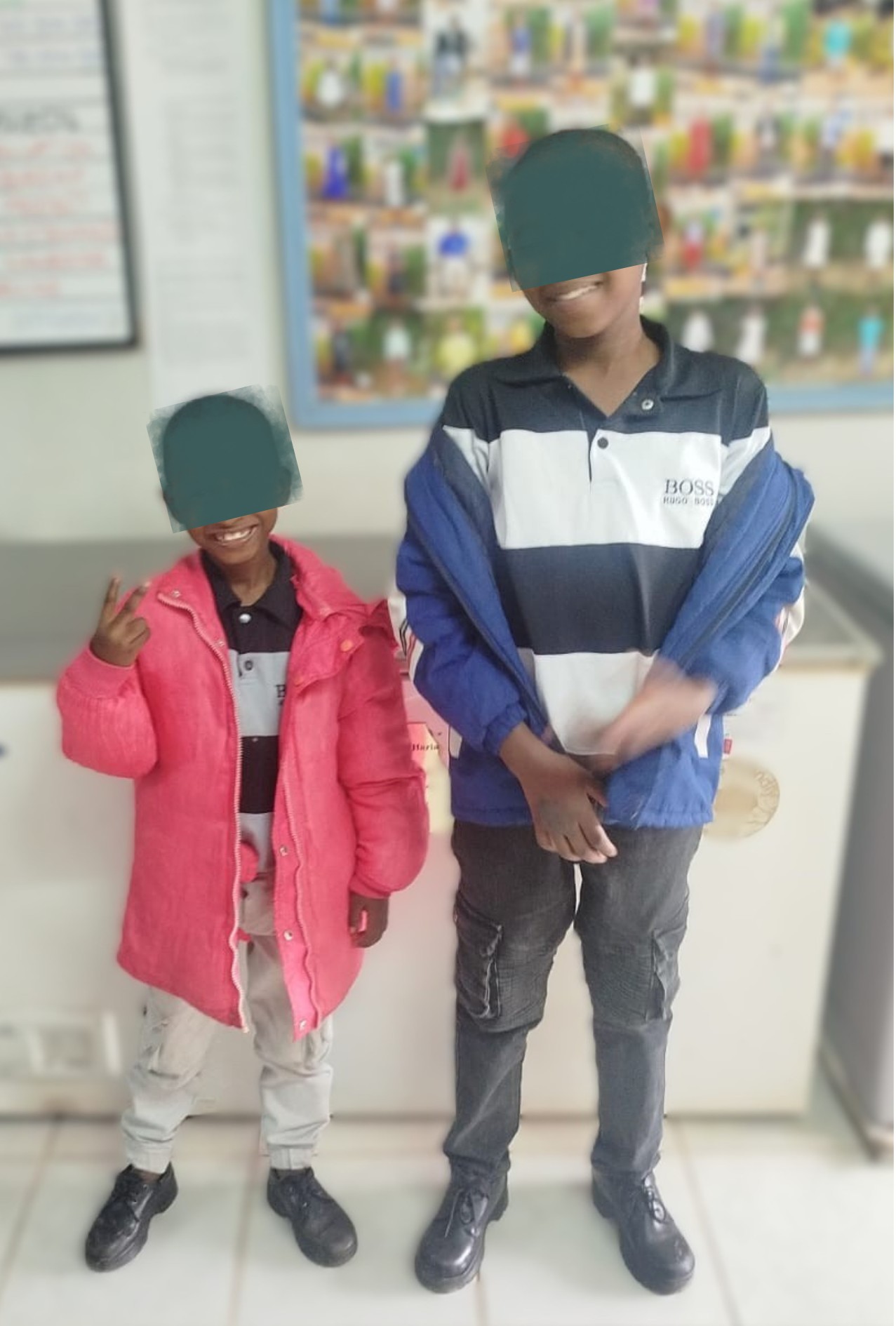
Her concerns extend to her relationship with her children, who are currently living in different circumstances. Her older child lives with a grandmother, while her younger daughter remains with her father, and Njeri hopes to explore the legal options available to address custody, contact, and maintenance. For a mother seeking to rebuild her life, the possibility of restoring and maintaining meaningful relationships with her children is an important part of moving forward. Access to appropriate legal assistance can help her understand her options and pursue the relevant processes in a manner that prioritises the children’s welfare and her rights.
Njeri’s immediate needs include support to understand and address her family-related legal concerns, access to psychosocial care, and opportunities to develop a sustainable livelihood. Her mother and sister rely on casual work and have limited financial resources, while the assistance available through their wider community is not enough to meet every need. Strengthening her ability to earn an income would help her work towards greater independence, while appropriate domestic violence support could help her explore options for safety and make informed decisions about her next steps.
At Justice Nest, we believe that justice must extend beyond the moment of release to include the practical support that helps people rebuild their lives with dignity. Family-centred justice recognises that a mother’s circumstances cannot be understood through her legal case alone, but must also consider her safety, livelihood, wellbeing, and relationships with her children. Through access to legal assistance, psychosocial support, and pathways towards economic empowerment, mothers like Njeri can be better supported as they work towards a safer and more stable future.
Njeri’s journey is a reminder that a new beginning requires more than freedom from custody; it requires opportunities, support, and a fair chance to rebuild. By standing alongside mothers facing domestic violence, financial hardship, and family separation, we can help create pathways towards greater stability and stronger family connections, because justice should restore dignity and keep families at the heart of every step forward.



.jpeg)
.jpeg)