Stories
March, 2026
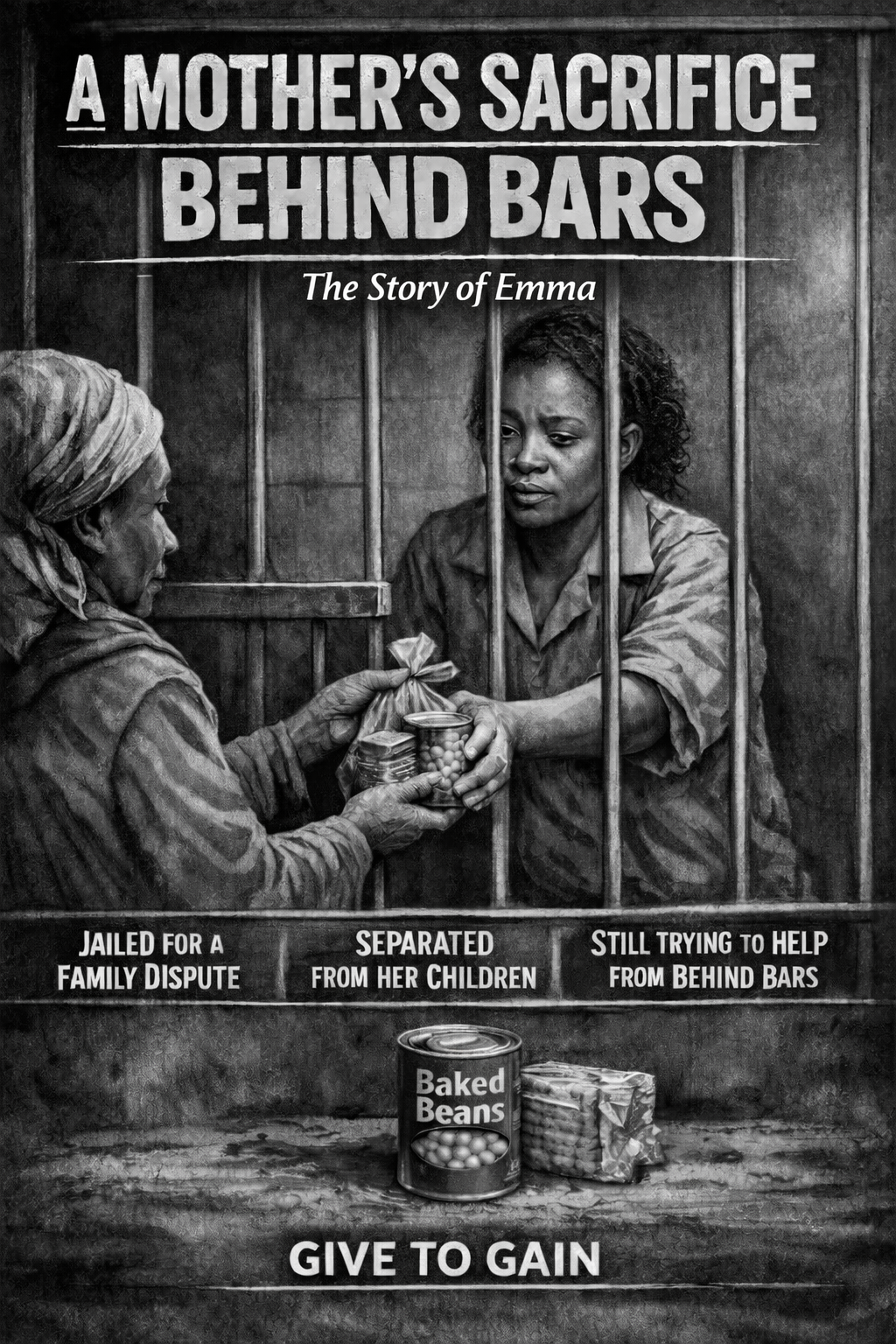
A Mothers Sacrifice Behind Bars: Emma's Story
In my ordinary course of work as a Legal Aid Advocate, I have always remained acutely aware that the clients we serve are among the most vulnerable in our society. They are often indigent, single mothers, and women who simply cannot afford legal representation. Their cases rarely begin as complicated legal disputes. Most start with ordinary human conflict. But somewhere along the way, poverty, bureaucracy, and an overburdened justice system transform those moments of conflict into prolonged suffering.
I remember the case of Emma very clearly.
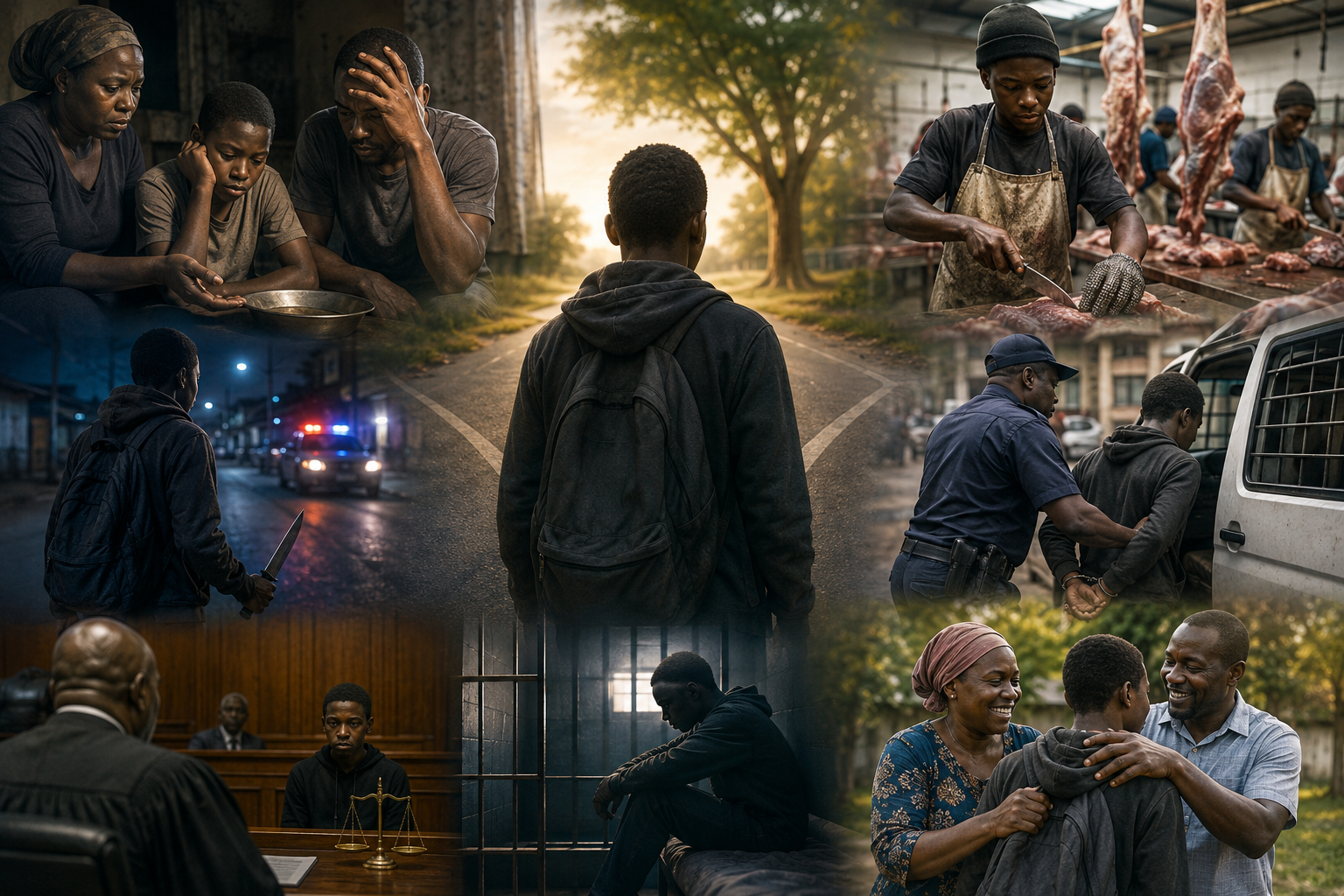
What began as a quarrel between a mother and her daughter ended up placing Emma behind bars for over six months. Like many family disagreements, harsh words were exchanged in a moment of anger. Her mother, frustrated and hurt, went to the police station and reported that her daughter had threatened to kill her. She did not imagine that the matter would escalate beyond a warning or a simple caution. In her mind, the police would talk to Emma, calm the situation, and send them both home.
But Kenya’s criminal justice system often leaves very little room for reconciliation or restorative justice. A situation that could have been resolved at the police station found its way to Makadara Law Courts, the busiest courthouse in East and Central Africa. For context, Makadara handles more than 25,000 cases every year with only 11 courtrooms. Once Emma’s case entered that system, it became another file swallowed by backlog and delay.
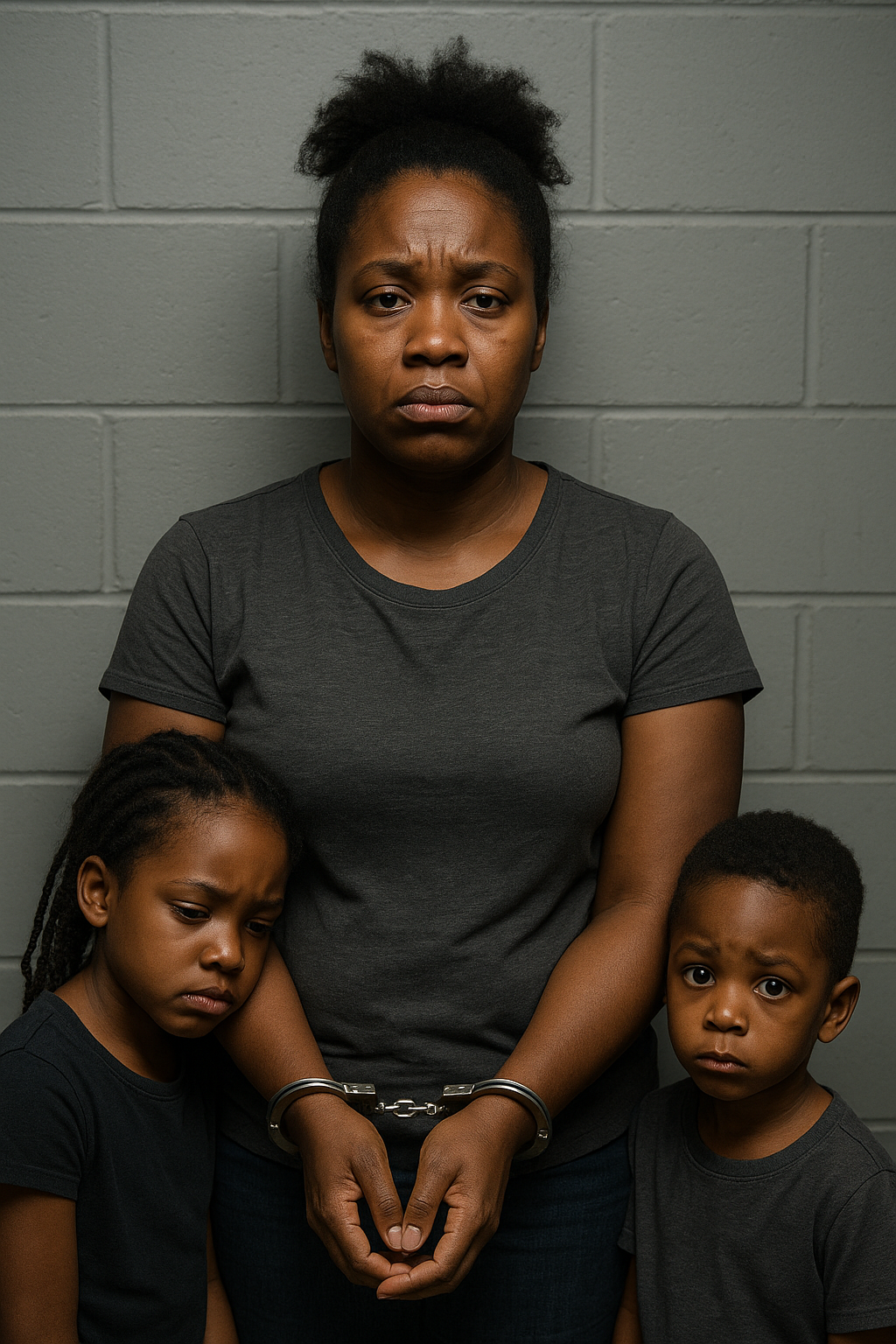
The tragedy is that while this case dragged on, Emma herself was already a victim of gender-based violence. Before her arrest, she had reported a criminal case against the father of her two children, aged nine and four, at Dagoretti Law Courts. But once she was remanded, she could no longer follow up on that case. The man she had reported took advantage of her incarceration and filed a custody case at Milimani Law Courts, knowing fully well that she could not appear to defend herself.
It was as though the system had trapped her from every side.
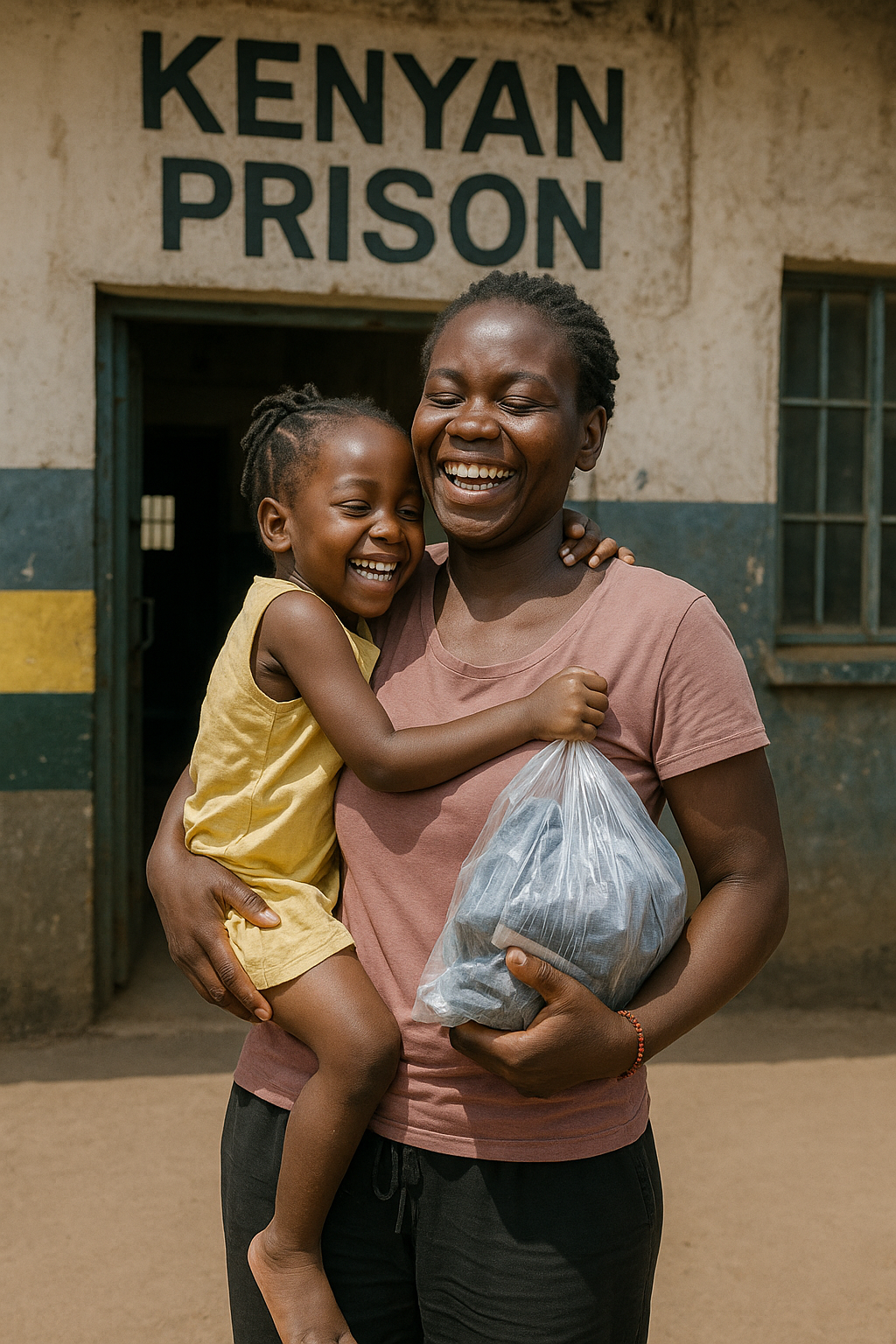
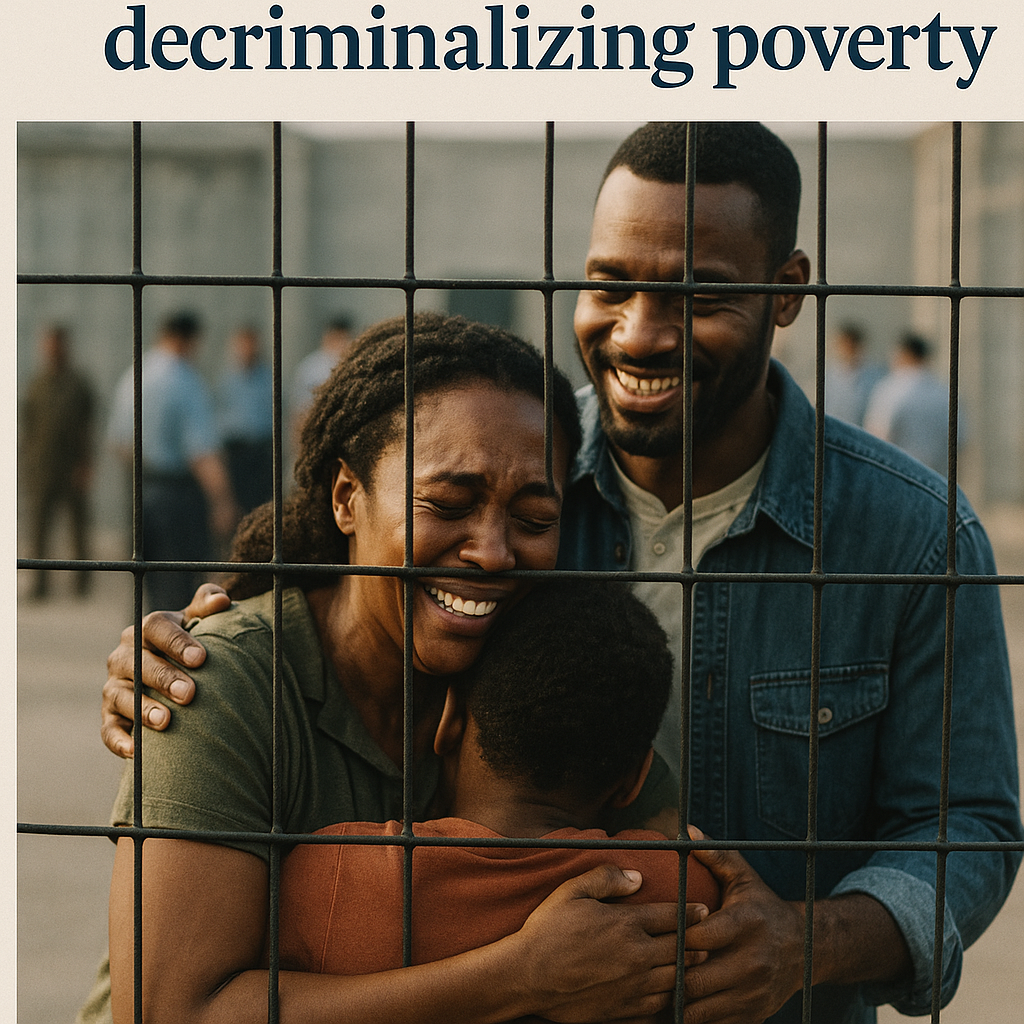
During one of the routine mentions at Makadara, something happened that has stayed with me ever since. As the inmates were being escorted back toward the holding cells, I noticed Emma quietly handing her mother a small plastic bag through the bars. Inside it was a can of baked beans and a small packet of army biscuits. These are the items that inmates are given when they are transported to court from prison. Calling it a meal may actually be an overstatement. In many cases, it is the only thing they will eat the entire day.
I remember asking the mother, almost instinctively, “Shouldn’t it be the other way around? Usually, families bring food for their loved ones when they come to court.”
She looked at me and said softly, “Kijana yangu, tuko na shida zaidi. Nimefurahi ametusaidia na chakula cha jioni na watoto.” Translation (“My son, we are in even greater need. I am grateful she has helped us with something for the children to eat this evening.”)
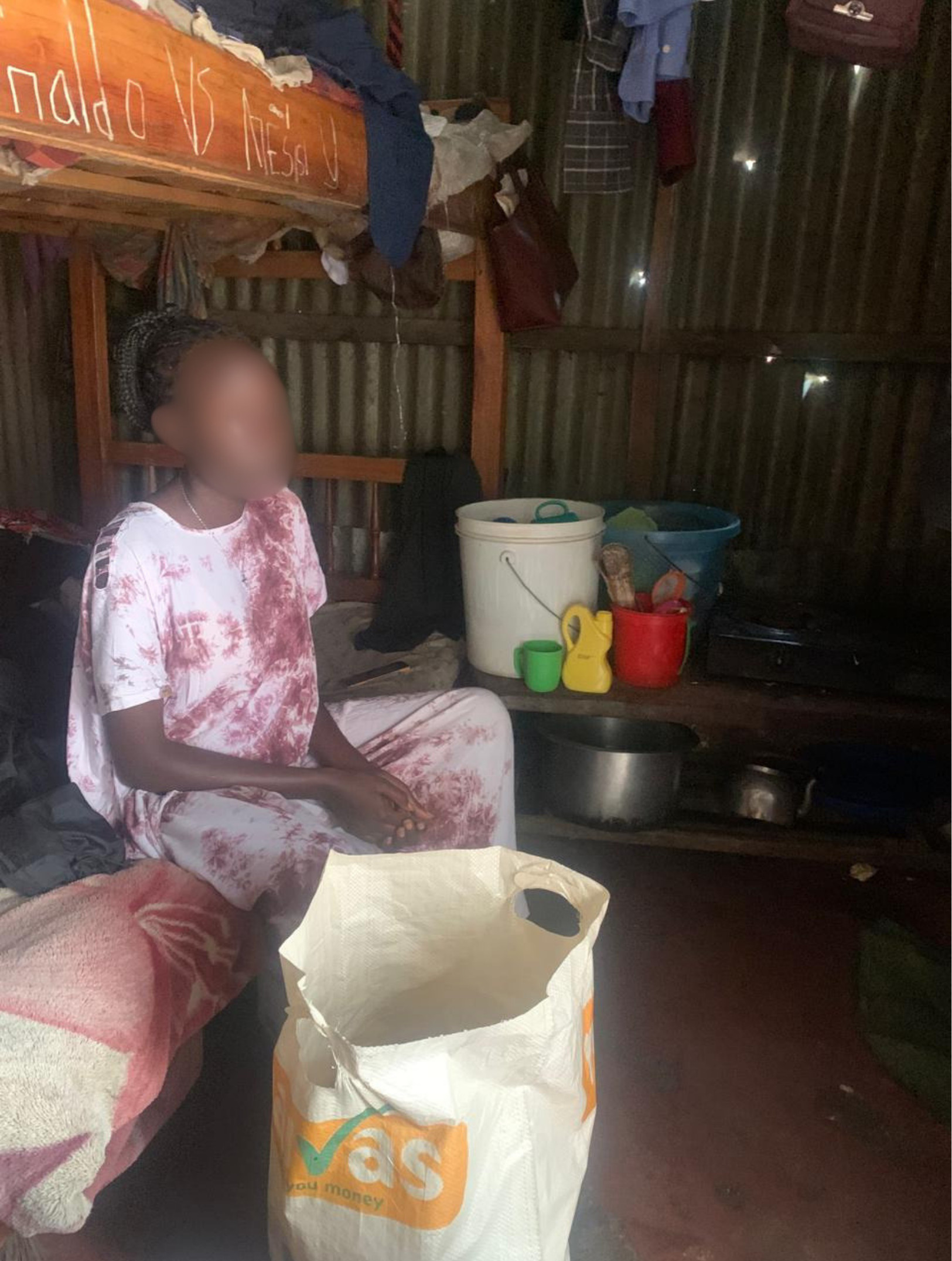
In that moment, the weight of the situation became painfully clear. Even from behind prison bars, Emma was still trying to provide for her family. The little food given to her by the prison system had become dinner for her mother and her children. It was a quiet sacrifice, made without ceremony, in the middle of a courthouse corridor.
It was also a powerful reminder of why we do this work.
Justice Nest took up Emma’s case and began making numerous attempts to have the matter withdrawn. By then, both mother and daughter had reconciled and wanted the case to end. But withdrawing the matter proved far more complicated than anyone expected. Emma’s mother was an undocumented Tanzanian national with no identification documents. Each time we tried to process the withdrawal, the court required verification of the complainant’s identity. Without documentation, the only alternative was to rely on the Investigating Officer to confirm the withdrawal.
Unfortunately, the Investigating Officer repeatedly failed to attend court, even after summons were issued.
The delays continued.
During this time, Emma’s mother could not even visit her in prison because she had no form of identification to access the facility. She often told me she never imagined that reporting her daughter to the police would lead to such consequences. What she thought would be a cautionary conversation had turned into months of separation, guilt, and helplessness.
Eventually, after persistent efforts and countless court appearances, the matter was finally withdrawn, bringing an end to a case that should never have lasted as long as it did.
Today, when I think about Emma’s story, what I remember most is not the charge sheet, the court dates, or the legal arguments. What I remember is that small packet of baked beans and biscuits passing through the bars of a courthouse cell.
A mother in custody giving away the only food she had.
It is moments like these that reveal a deeper truth about our justice system: how easily it criminalizes poverty, how quickly it punishes the vulnerable, and how rarely it pauses to ask whether imprisonment is truly the answer.
But it also reminds me why legal aid matters. Because sometimes justice begins not with the law, but with noticing the quiet acts of dignity and sacrifice that happen even in the harshest places.
And sometimes, all it takes to understand the weight of a case is a can of baked beans and a packet of biscuits.
Wesley Waku-Legal Aid Advocate


.jpeg)

.jpeg)