Stories
January, 2026
Invisible Sentences: Protecting the Children of Incarcerated Parents in Kenya
“Children are like wet cement. Whatever falls on them makes an impression.”-Haim Ginott
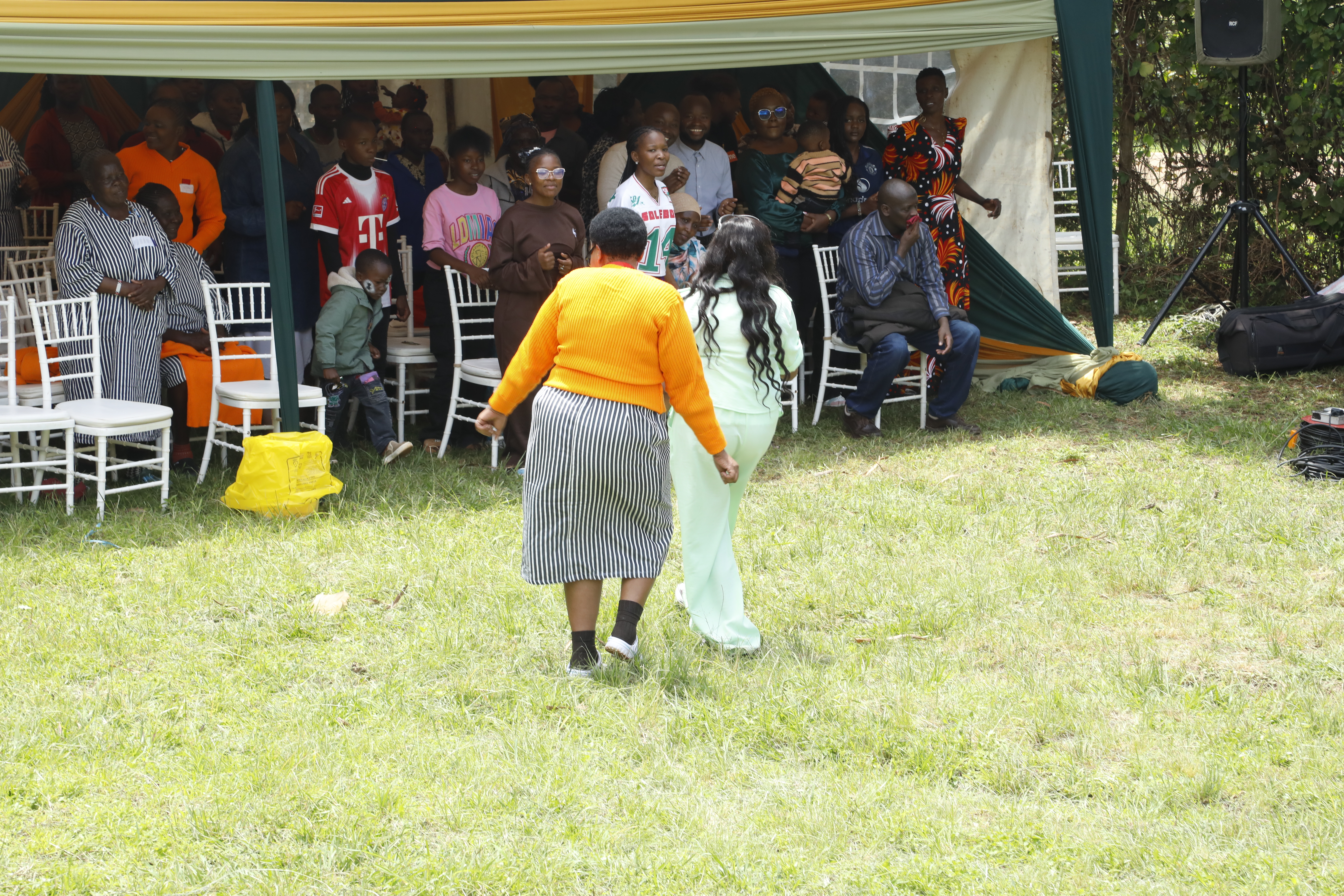
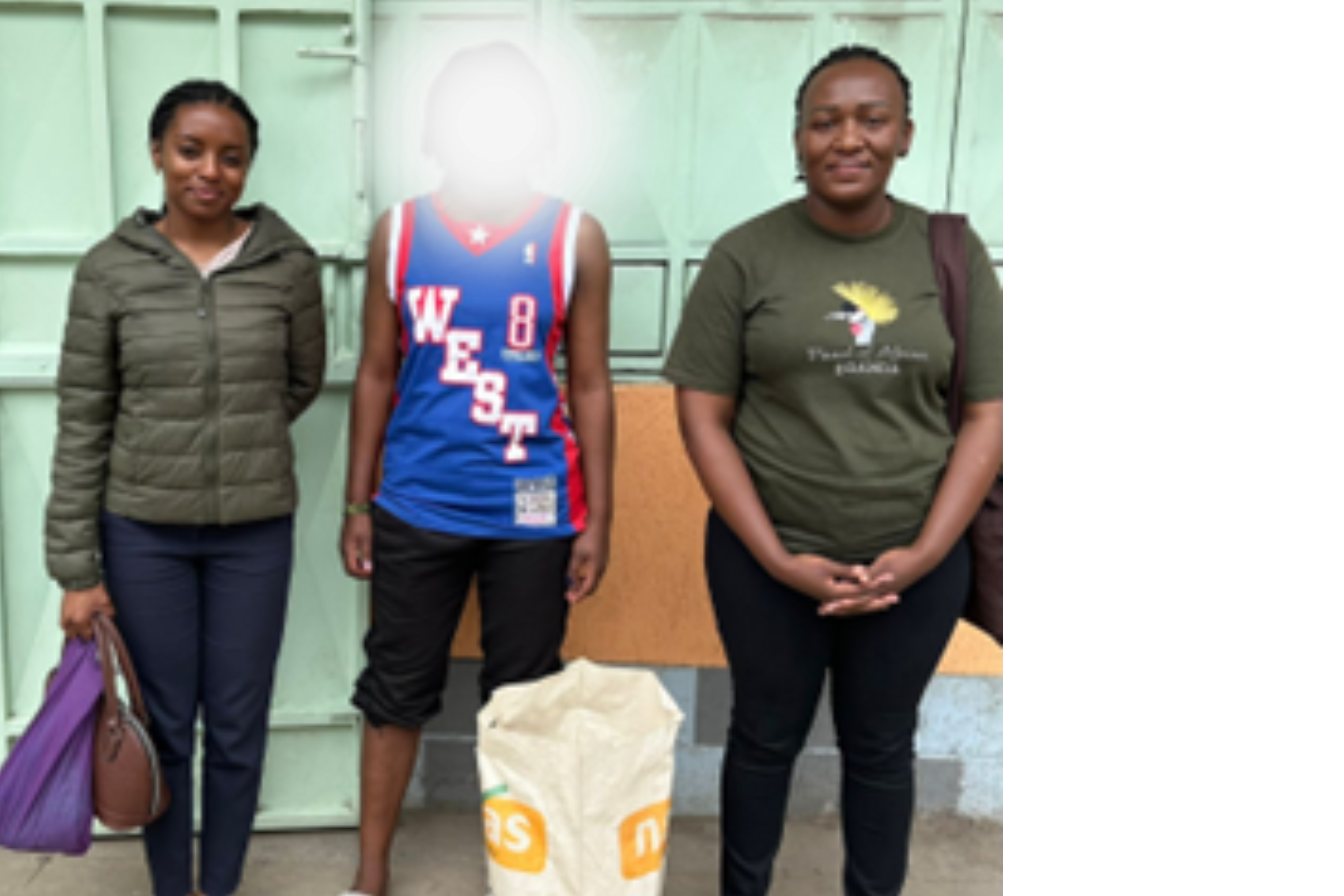
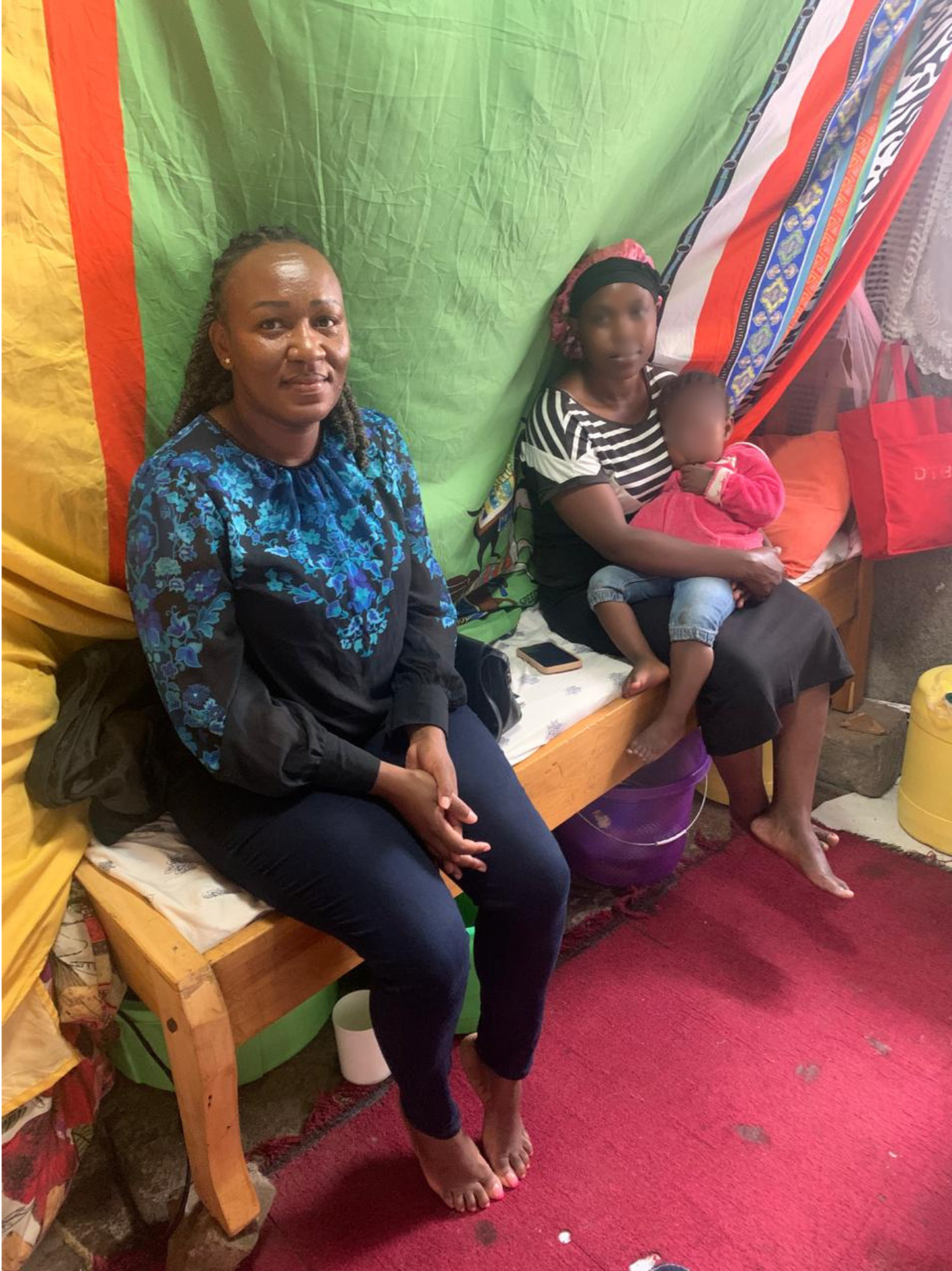
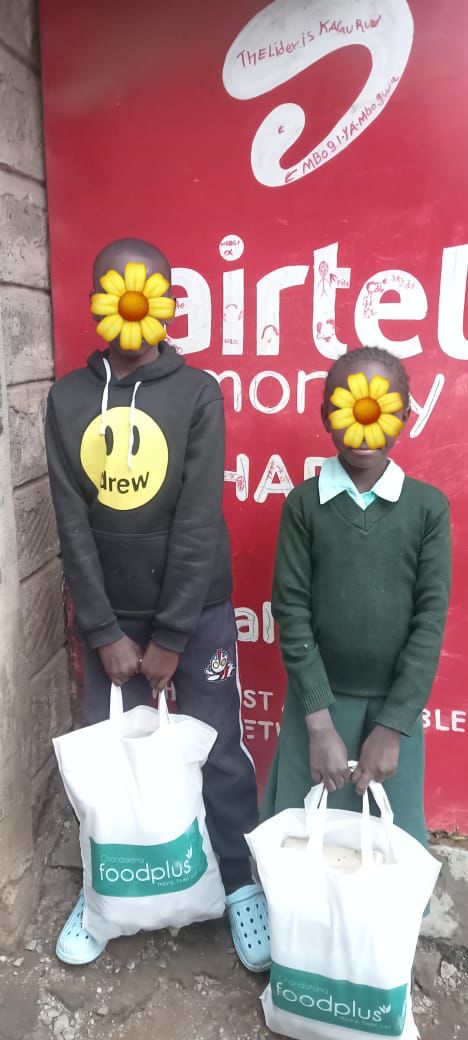
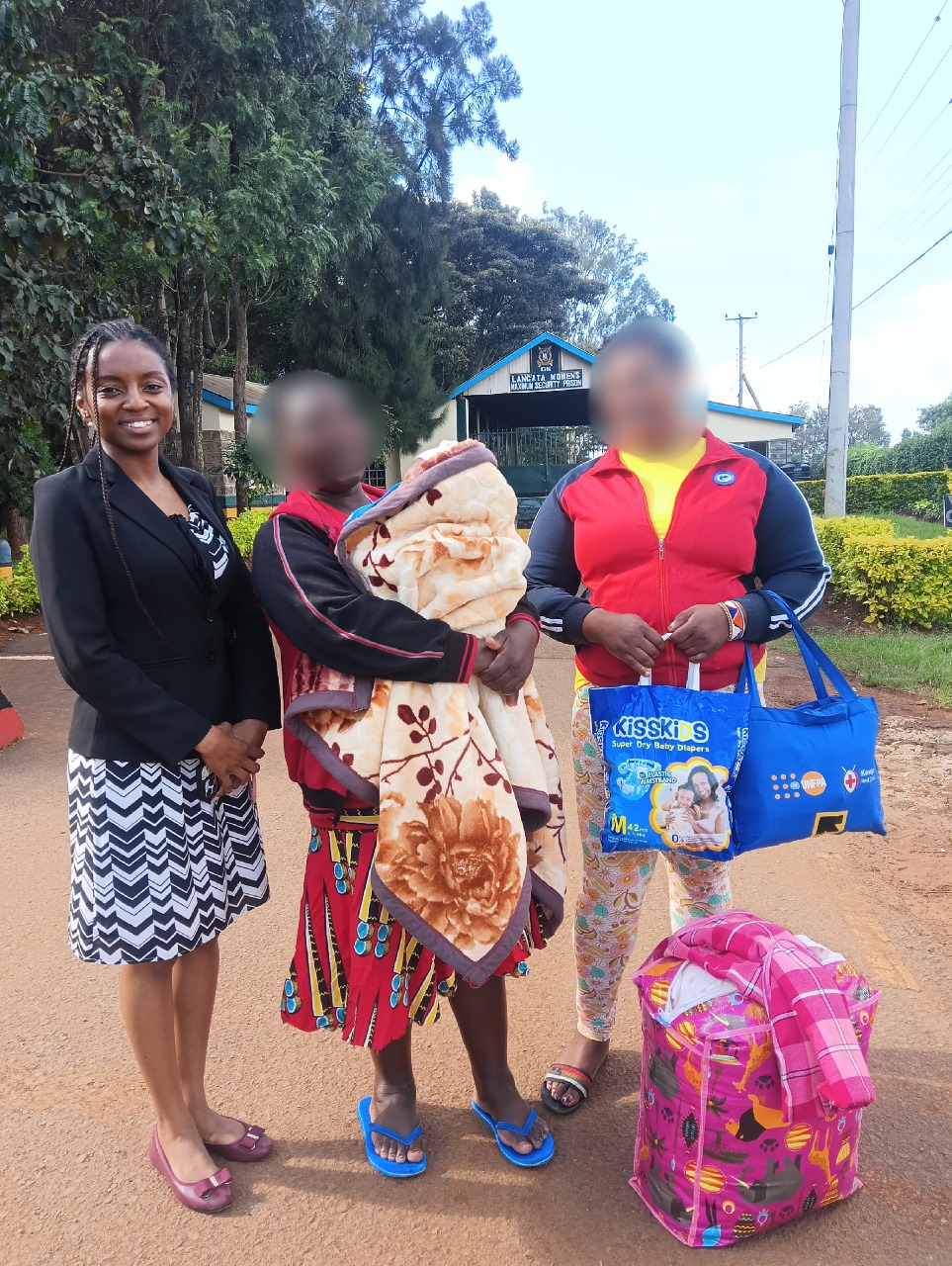
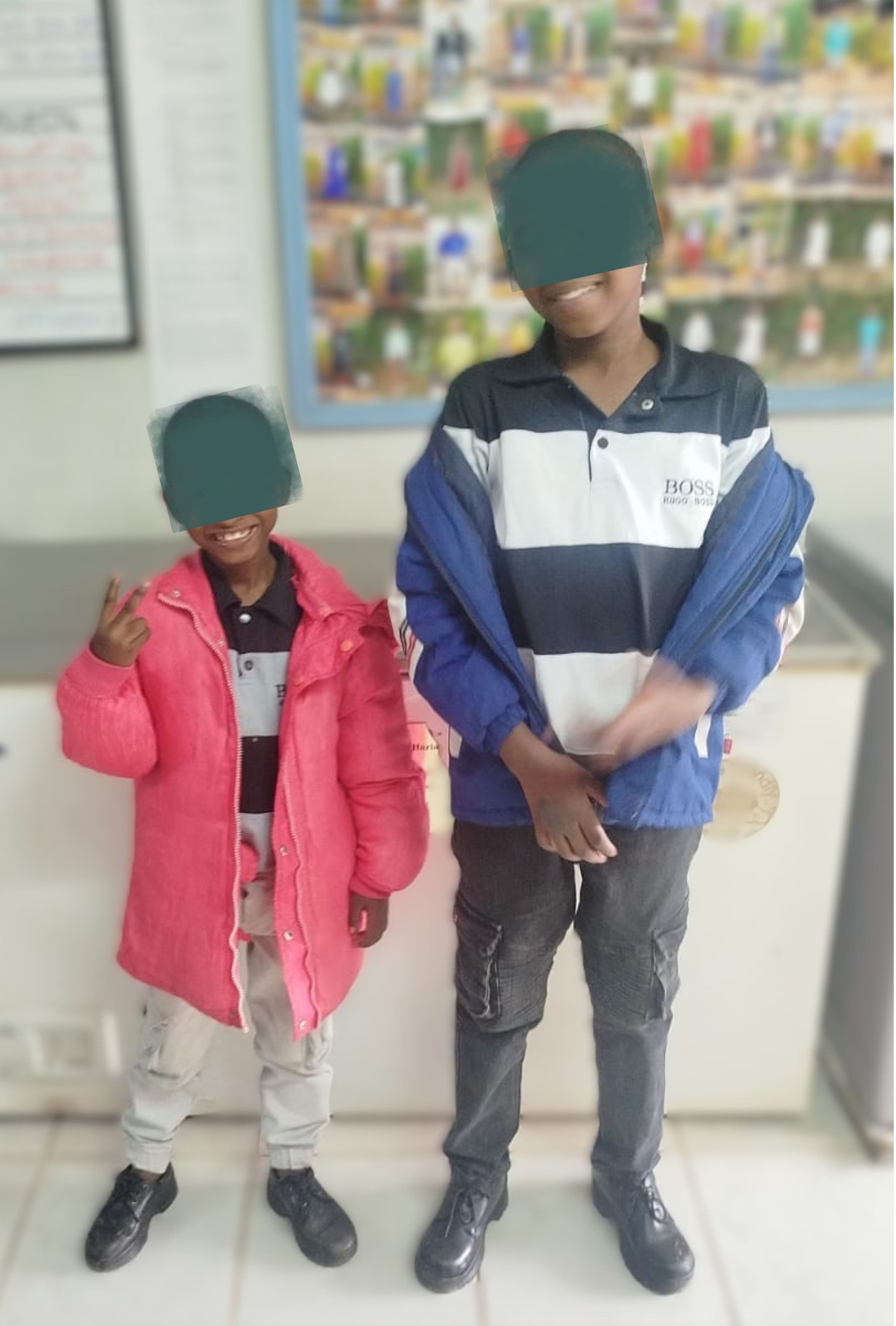
As we begin the year, I find myself reflecting on 20 November 2025, when we commemorated World Children’s Day with a picnic for the children of the mothers we serve at Justice Nest. I found myself reflecting deeply on just how true this quote is. Childhood is impressionable, delicate and easily shaped by the environments children grow up in. As I watched those children laugh, cling to their mothers, and search for comfort in familiar arms, a quiet question rose to the forefront of my mind: What about the children who are growing up inside Kenya’s prisons? What impressions are we allowing to shape them?
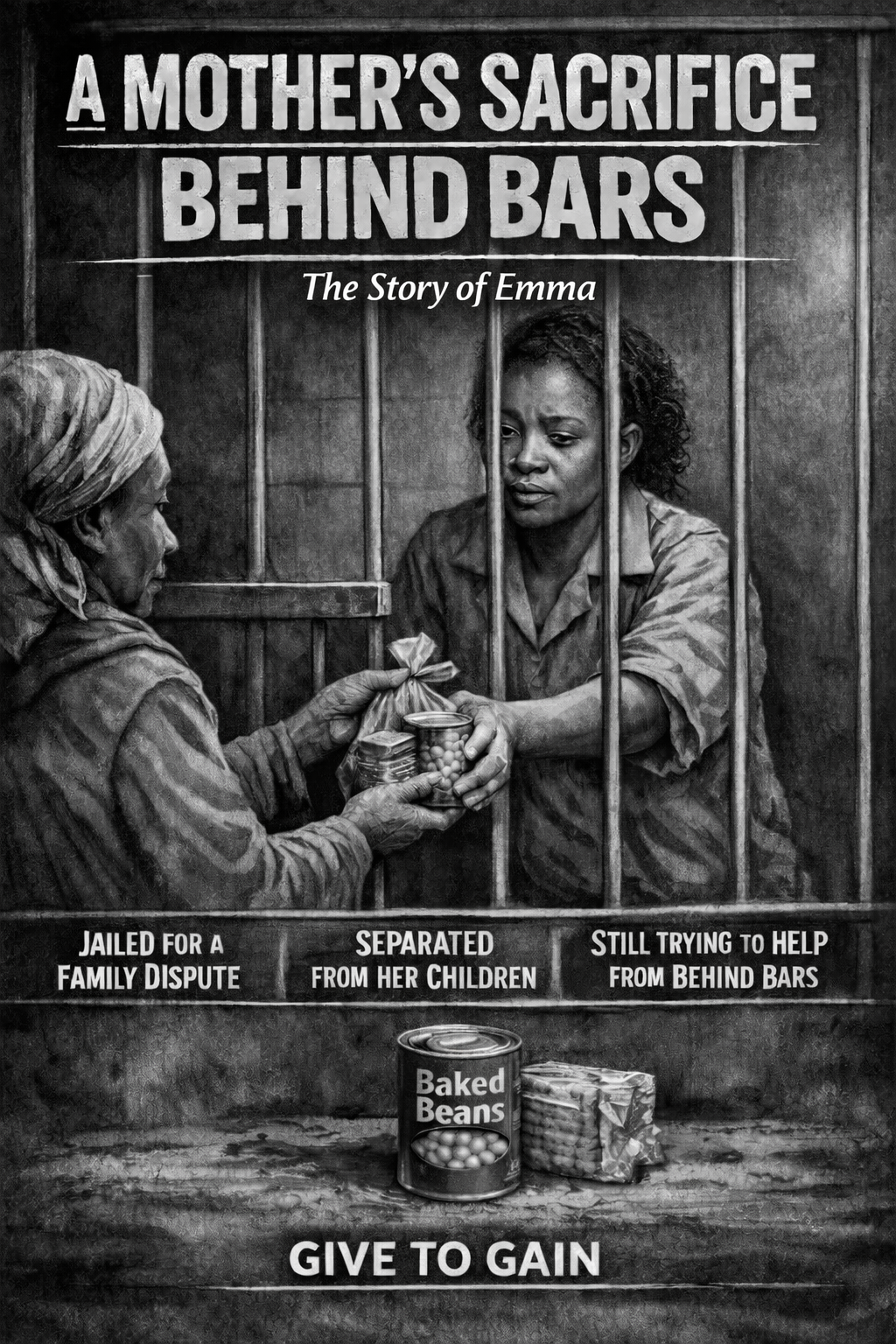
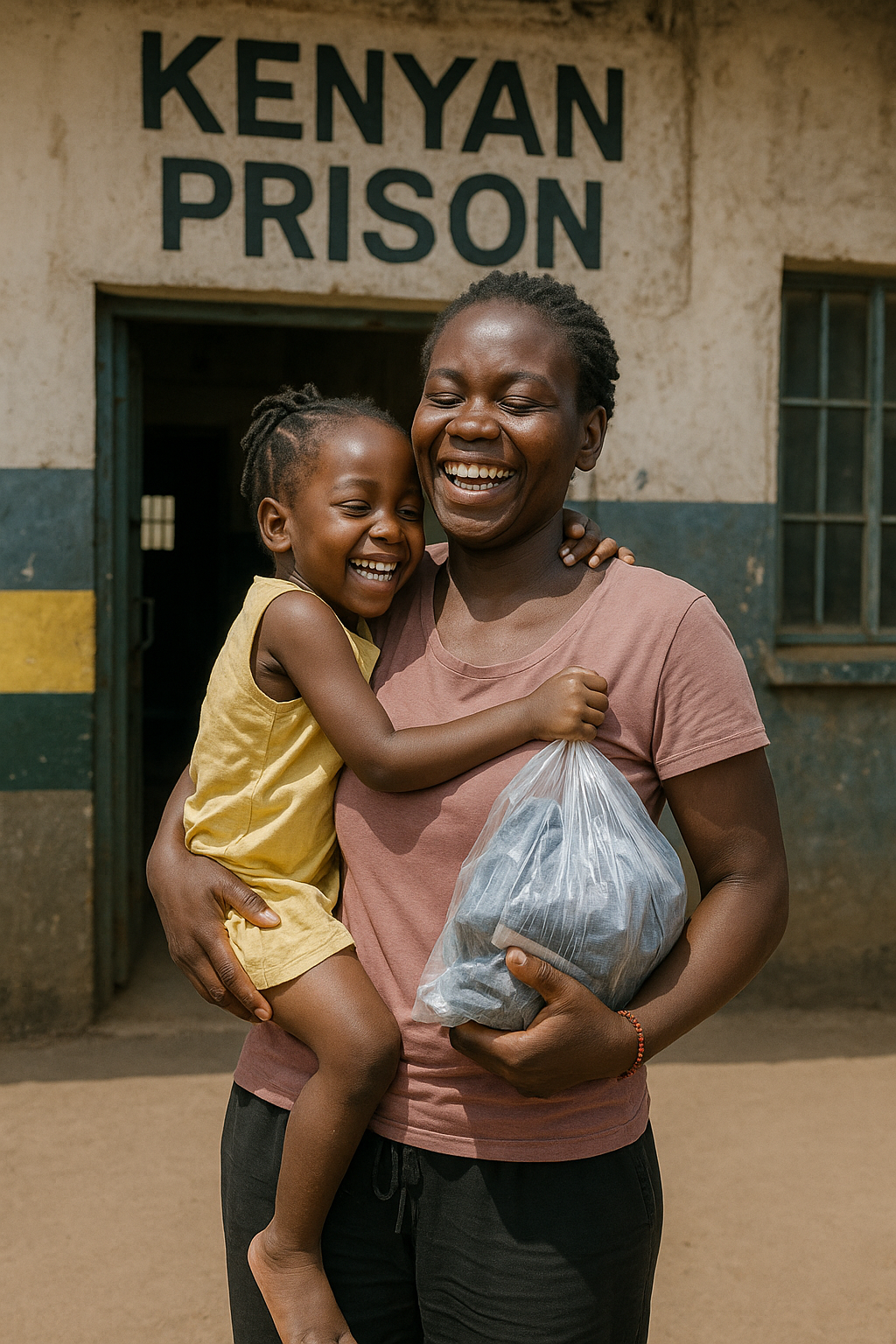
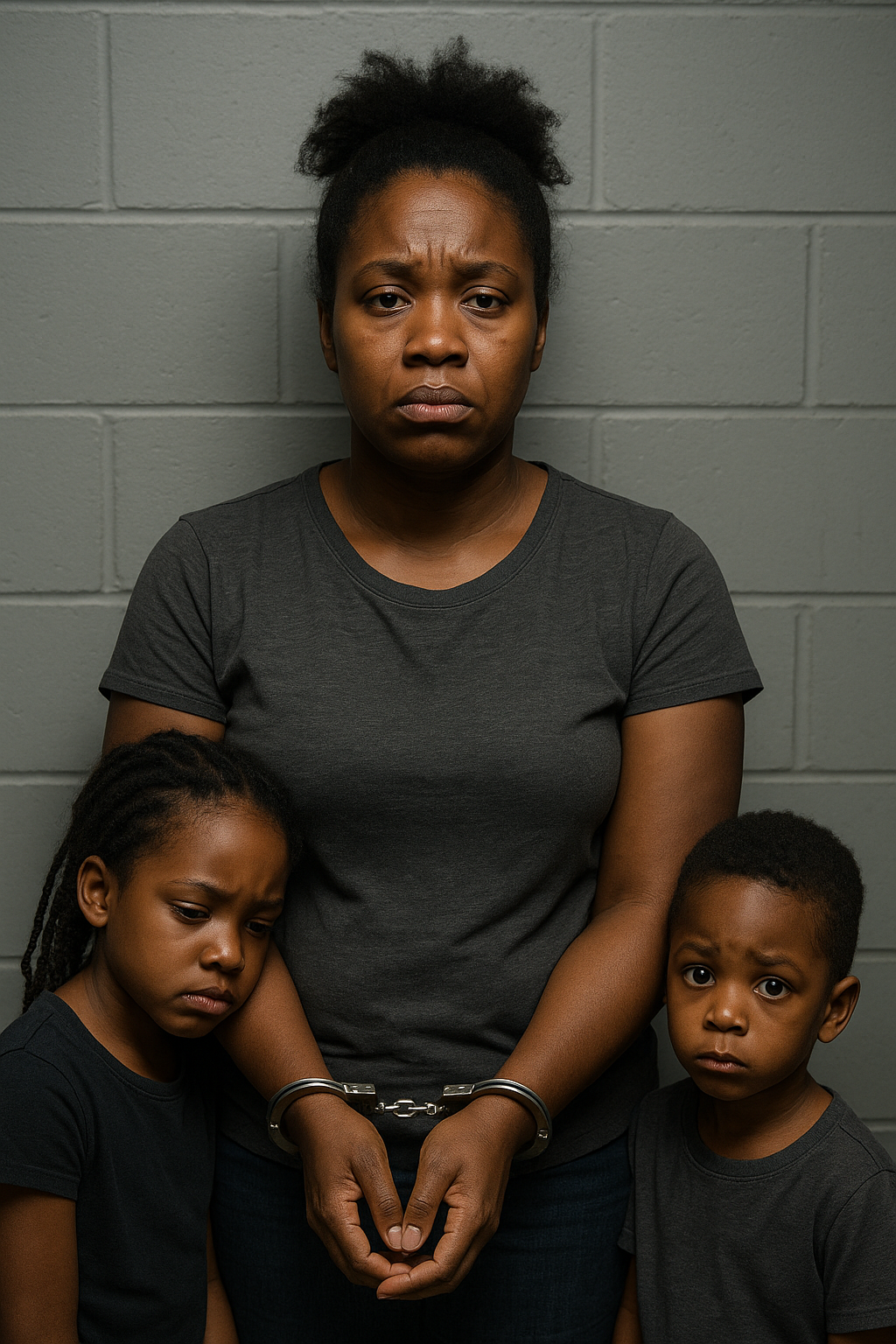
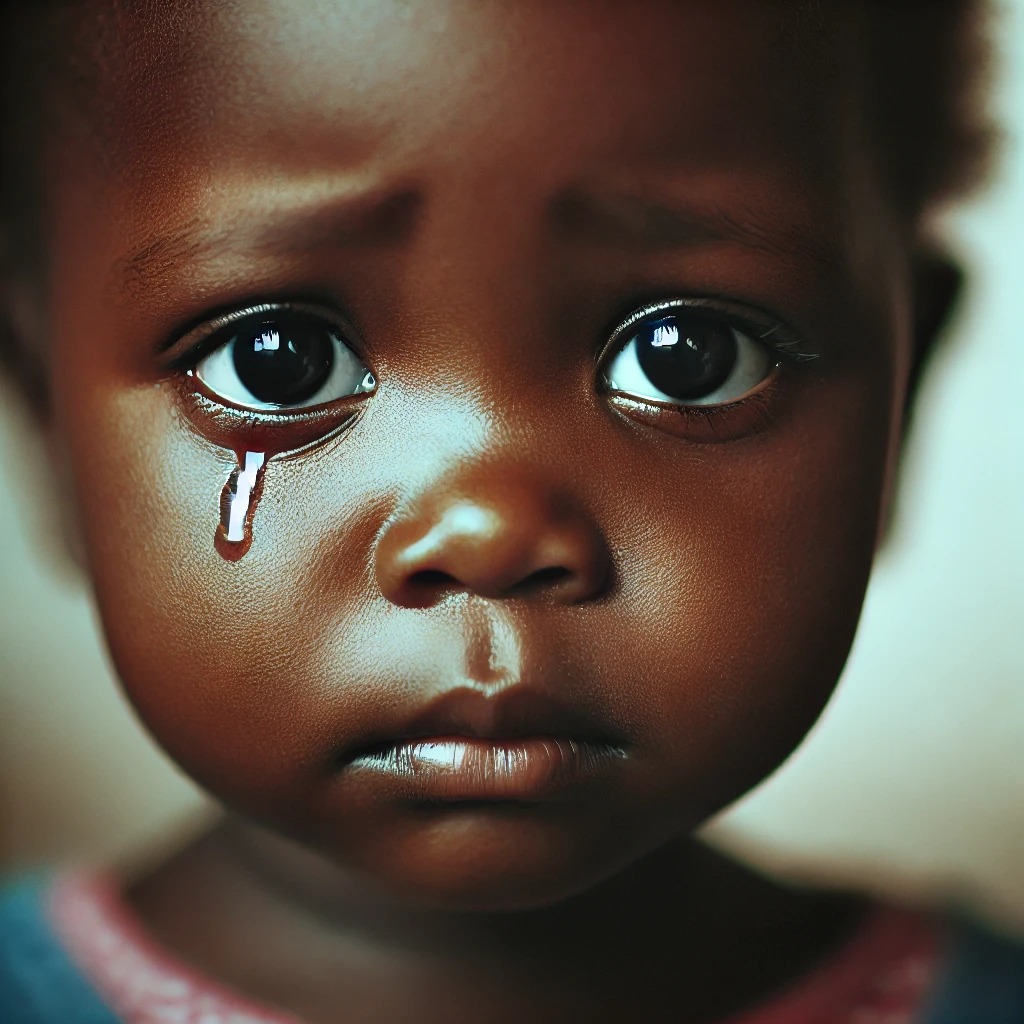
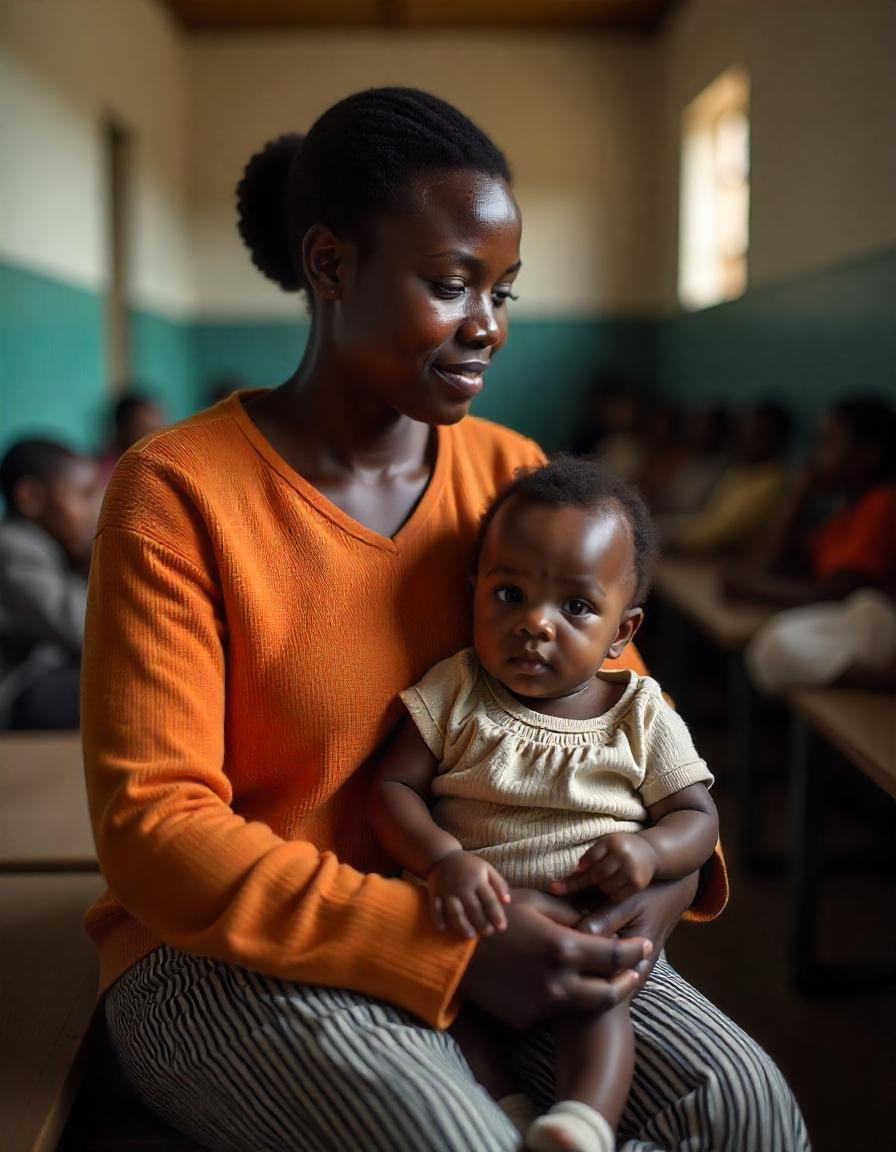
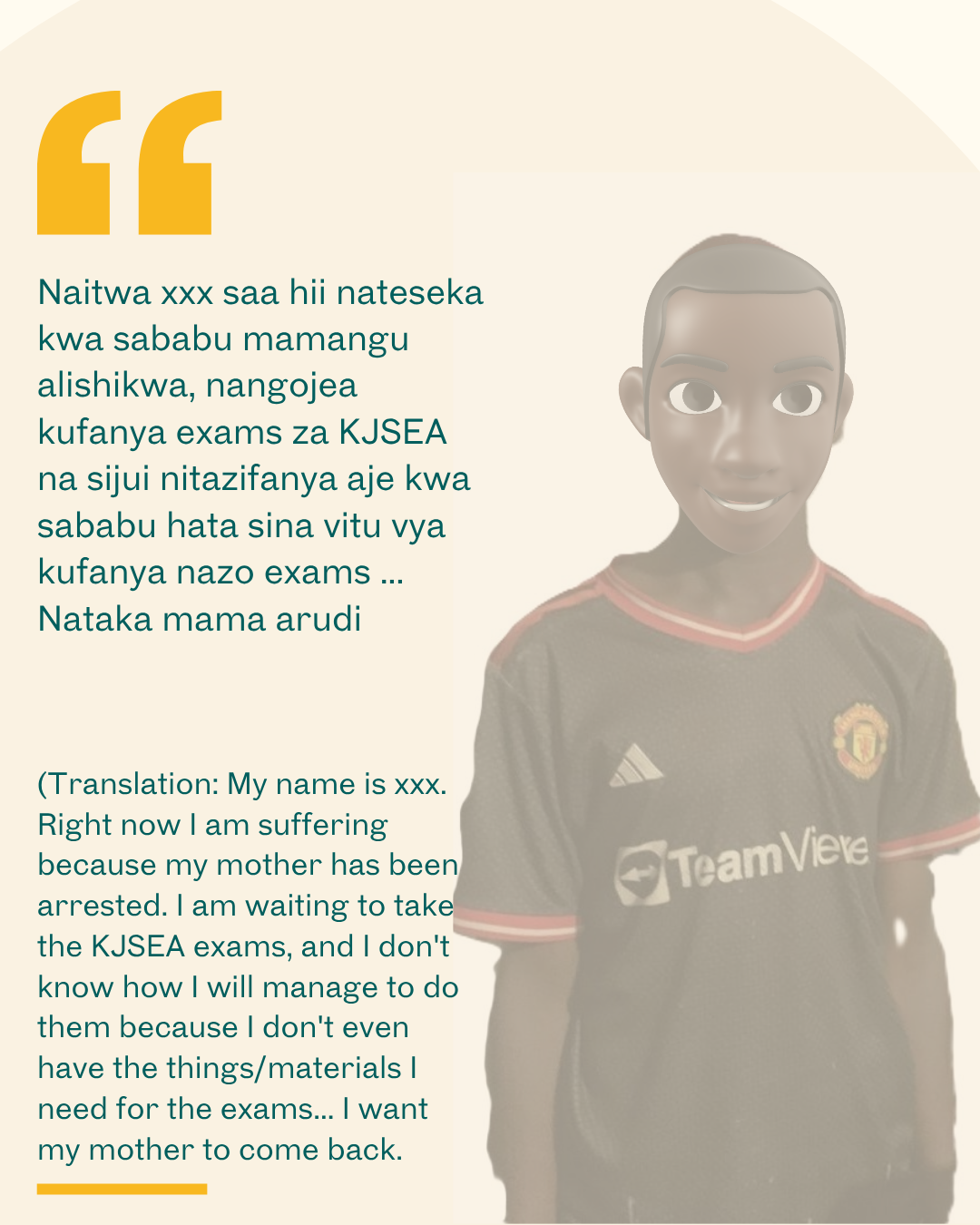
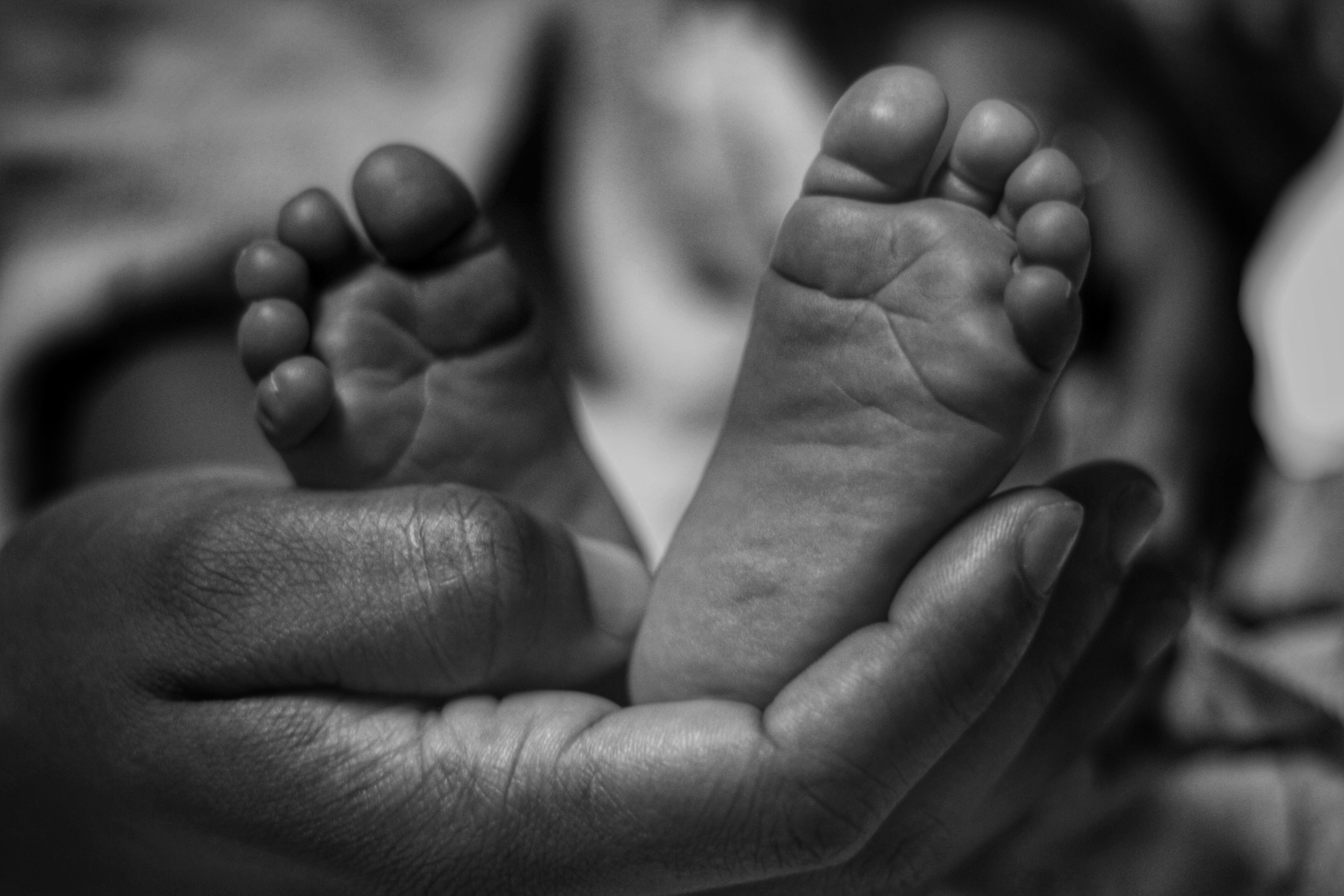
These young ones, innocent in every sense, are beginning life in spaces never meant for childhood. Their earliest memories are formed behind prison walls. Their first steps echo across concrete floors. Their first lessons are shaped by confinement, not freedom. They serve silent sentences simply because their mothers do.
Kenya’s legal framework makes a promise that every child’s best interests are paramount. Article 53 of the Constitution guarantees the right to parental care and protection, while the Children Act, 2022 reinforces the state’s duty to safeguard children deprived of family care. International instruments such as the UN Convention on the Rights of the Child, the African Charter on the Rights and Welfare of the Child, and the spirit of the Mandela Rules all demand that no child should suffer punishment or indignity because of the circumstances of their parent.
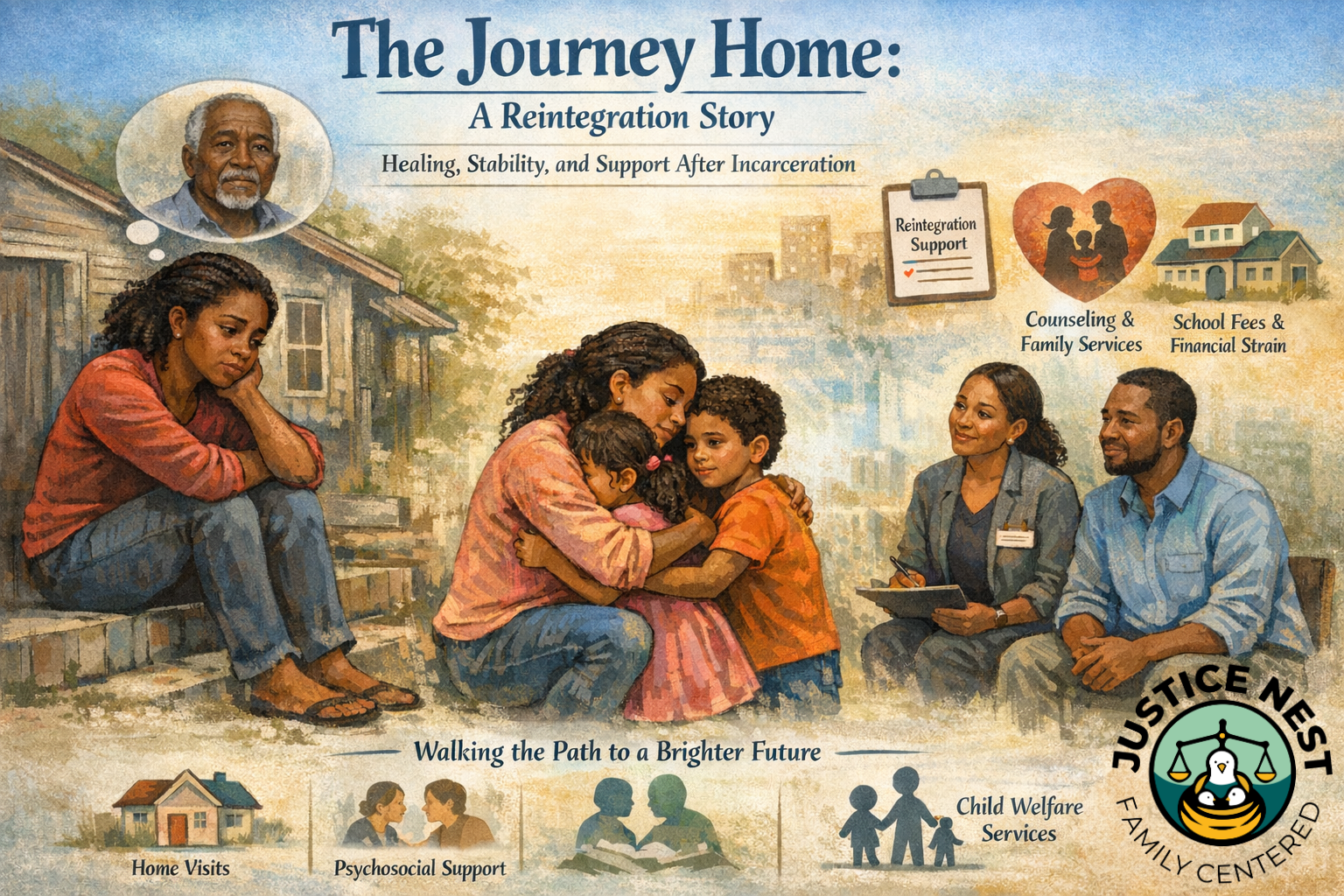
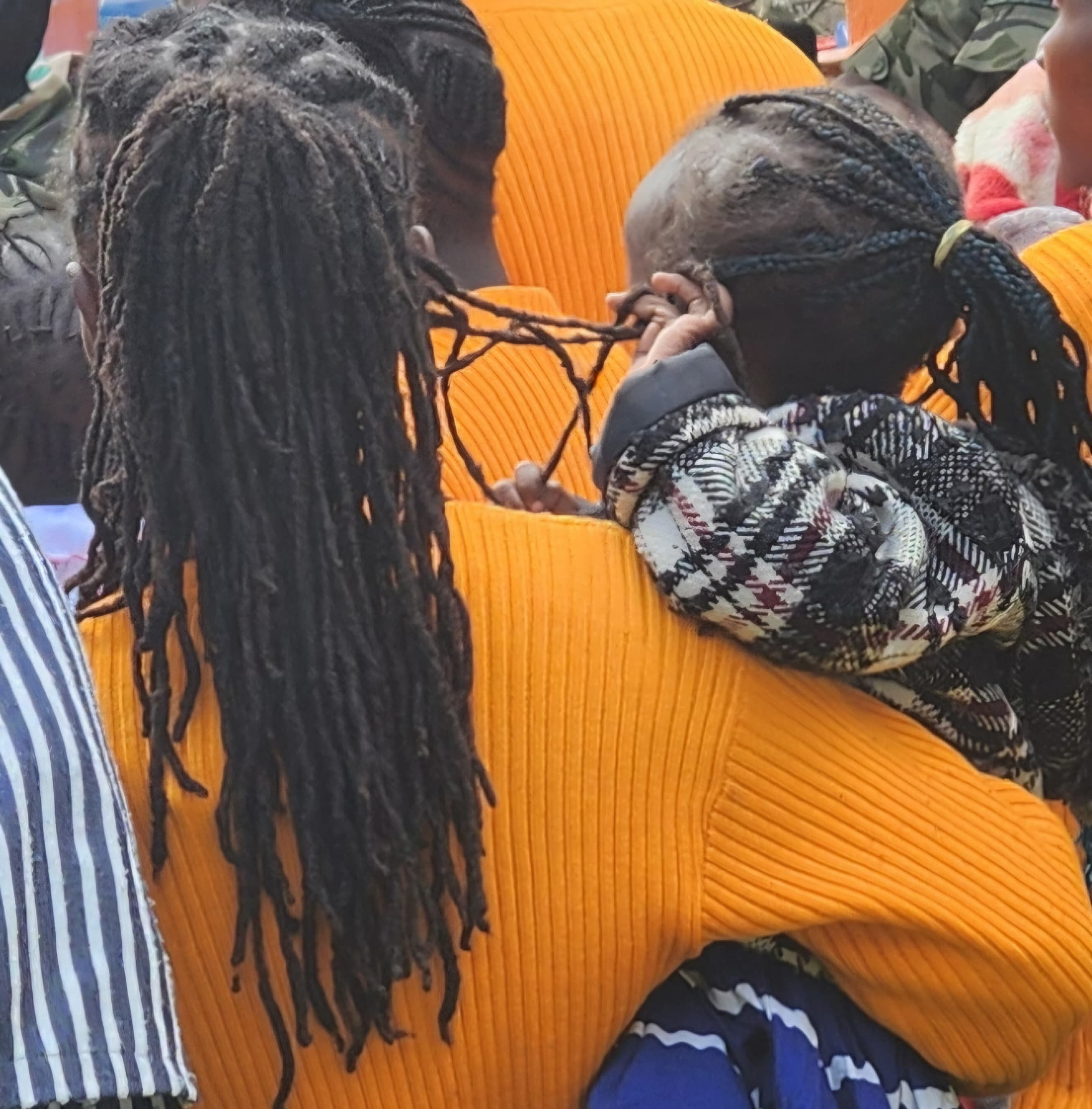
Yet, despite this strong legal foundation, children of incarcerated parents remain largely unseen. Kenya has no national guidelines outlining how these children should be identified, supported, or monitored. Without a structured framework, their protection is inconsistent and their wellbeing often left to chance. Some remain inside prison with their mothers until the age of four, growing through formative years without access to safe play, early childhood education, or the social stimulation they need. Others are placed informally with relatives without proper assessments. Many experience stigma, emotional trauma, and interrupted schooling when a parent is sentenced. It is a quiet crisis, one hidden in plain sight.
Other African nations have taken important steps Kenya can learn from. South Africa’s Correctional Services Act mandates structured transition plans for children who start life in prison. Uganda has systems recognizing children in correctional facilities and provides for their basic care. Namibia and Ghana have piloted community-based foster care and psychosocial support programs that soften the impact of parental incarceration. These frameworks acknowledge that while the justice system must hold offenders accountable, it must never create collateral damage in the lives of children.
Kenya needs to adopt the same intentional approach. Developing and publishing comprehensive Guidelines for the Care and Protection of Children of Incarcerated Parents would offer clarity, accountability, and consistency. Such guidelines would outline how prisons, probation officers, children’s services, social workers, and courts should work together. They would establish minimum standards for kinship and foster care placements, set out processes for psychosocial and educational support, and ensure regular monitoring to safeguard these children’s wellbeing.
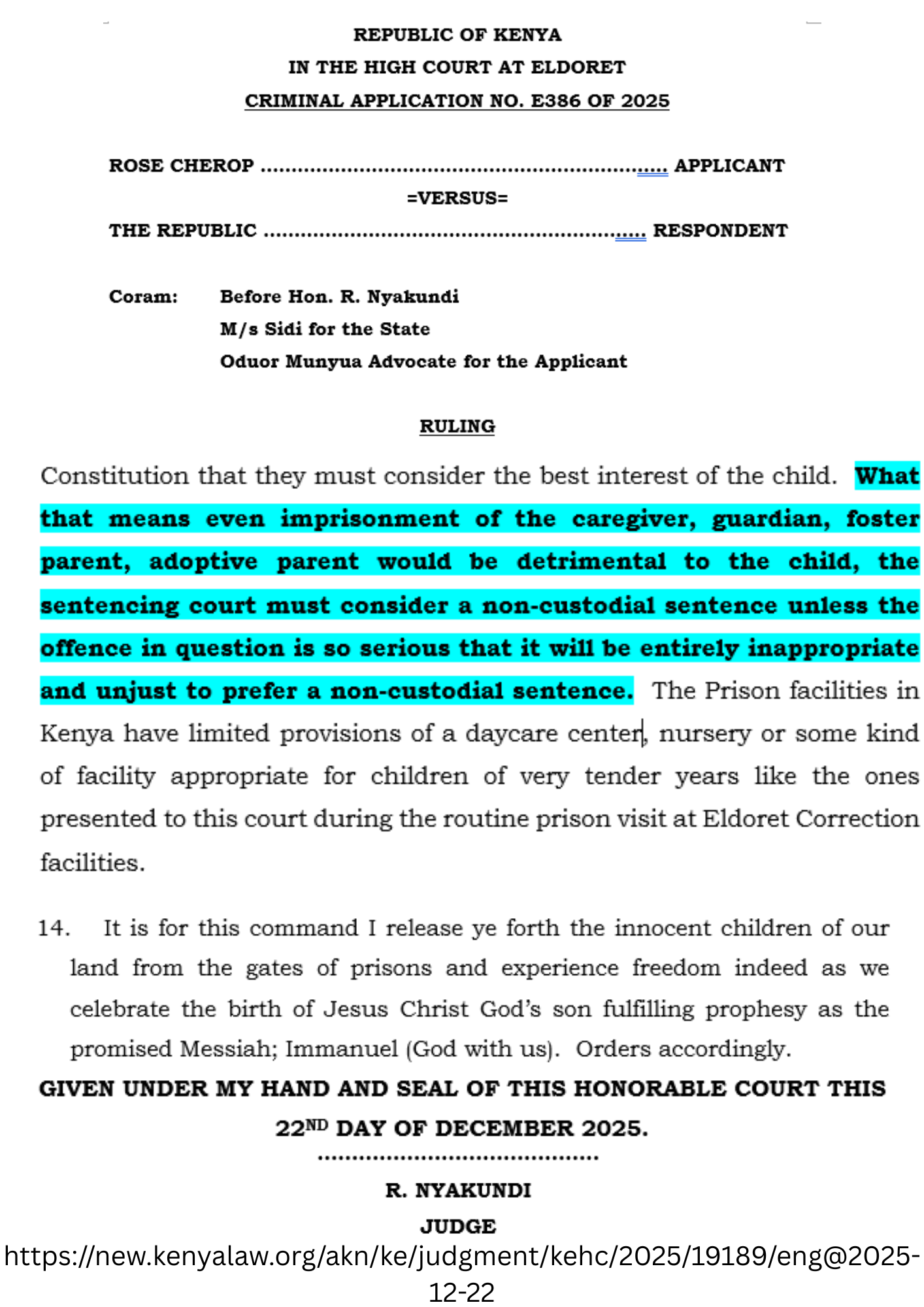
Courts also have a critical role. When sentencing primary caregivers, judicial officers must consider the impact imprisonment will have on dependent children, applying non-custodial alternatives where appropriate. This is not leniency; it is justice that honours the Constitution’s demand to uphold the best interests of the child.
Protecting these children is not an act of charity; it is a constitutional and moral duty. A society that allows the youngest and most vulnerable to carry the weight of adult punishment cannot claim to uphold dignity or justice. Their lives and futures are shaped like wet cement by what we allow to fall on them during these early years.
And so, we must return to the wisdom of a man whose own journey through imprisonment revealed the truth about nations and justice. ‘That a nation's true character is revealed not by its treatment of the privileged, but by how it cares for its most vulnerable, particularly those in its penal system’ -Nelson Mandela
Waku Wesley, Legal Aid Advocate, Justice Nest

.jpeg)
.jpeg)