Stories

February, 2026
Two Years Too Long: Marion Finally Walks Free
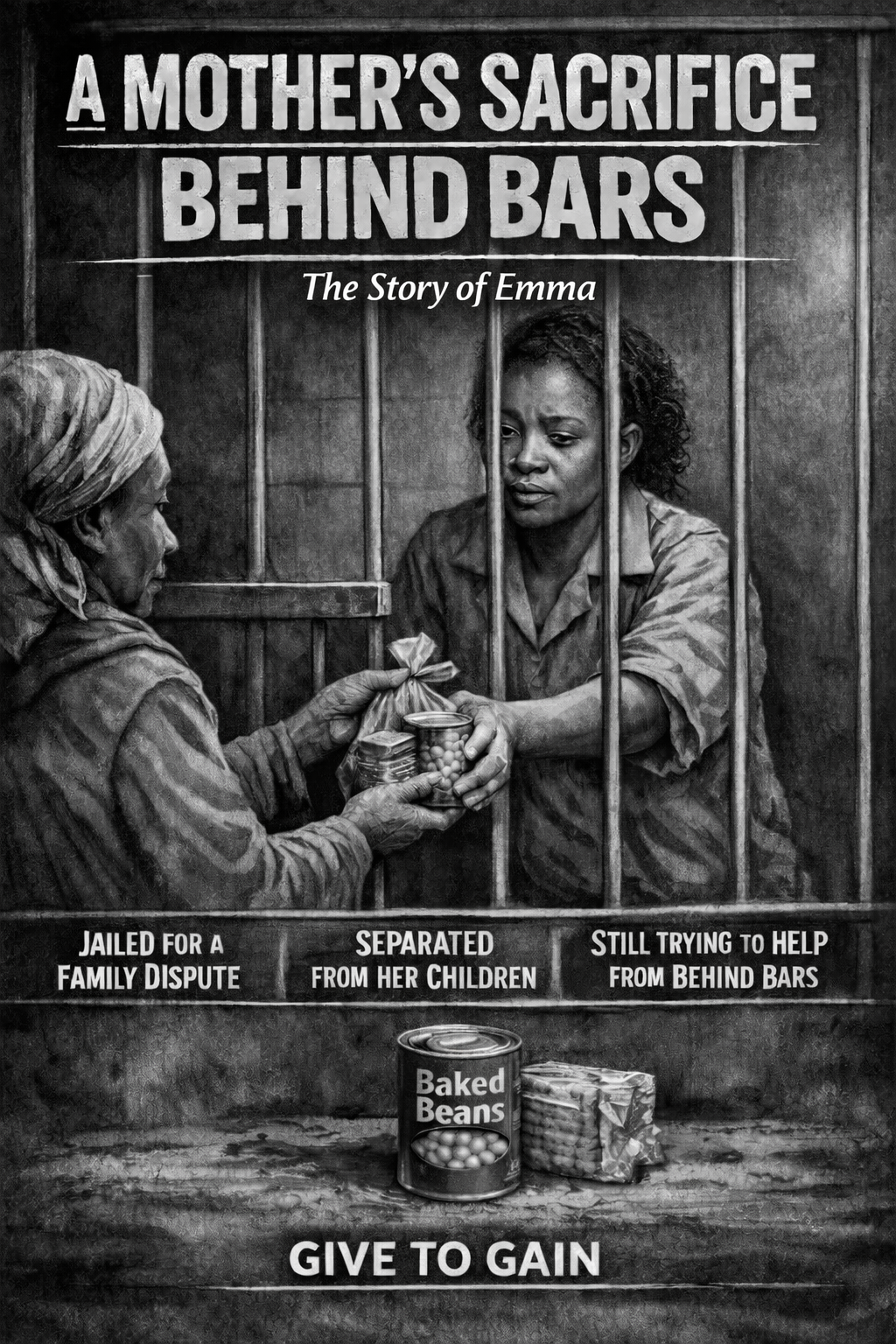
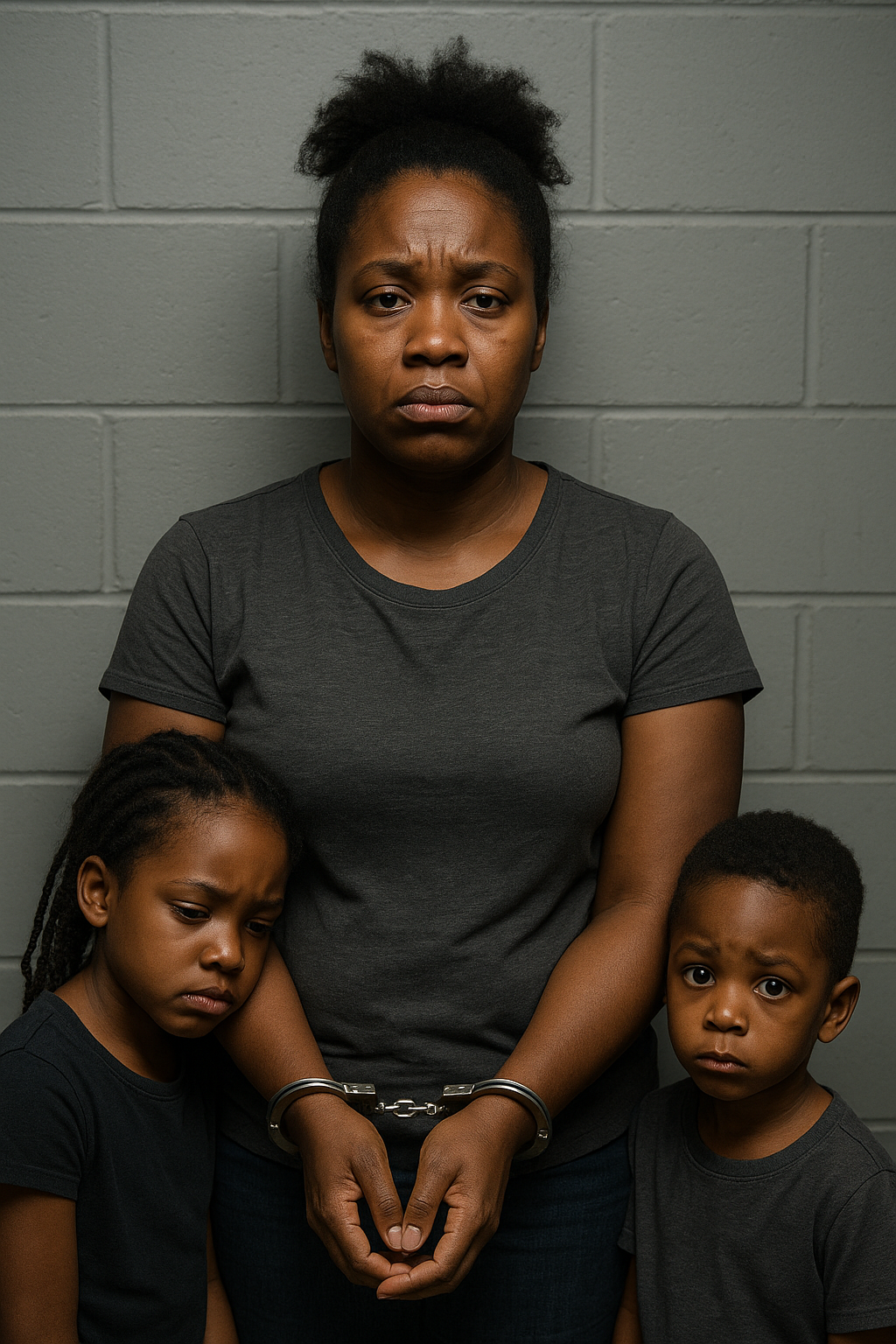
For more than two years, Marion woke up behind bars while her children grew up without her. A mother of two boys, her firstborn now fourteen years old, her youngest just five, Marion's arrest on 08 February 2024 separated her from a toddler who still needed his mother's arms and her teenage son. Her baby was only two years old, too young to understand why she had suddenly disappeared.
What followed at Makadara Law Courts became a devastating story of delay after delay. Over the course of her incarceration, her case at Makadara Law Courts became a story of delay after delay, a mother remained imprisoned without ever being convicted of a crime:
- Seven hearing dates.
- Nine mentions.
- Witnesses who never showed up.
- A prosecution that was never ready.
Each time the matter came up, it was adjourned. Each time, Marion was returned to custody. Months turned into years.
When Justice Nest met Marion in July 2025, she was exhausted, not just physically, but emotionally. Her youngest child had learned to speak in full sentences without her. Her eldest had entered his teenage years carrying responsibilities no child should bear. And still, there was no progress in her case. The system had effectively forgotten her.
Justice Nest took up the matter immediately. The organization's legal aid advocate Wesley Waku, made repeated applications to have the case dismissed for want of prosecution, arguing that the consistent failure by the complainant and witnesses to attend court demonstrated a lack of seriousness in pursuing the matter. Each time, however, the court granted the prosecution "one last chance." Each time, that chance translated into more time in remand for Marion. An application for bail review was also denied. The system moved slowly, and Marion's children continued to grow.
But Justice Nest did not relent.
The breakthrough came when the organization made a firm application under Section 202 of the Criminal Procedure Code. The argument was clear: the continued non-attendance by the complainant and witnesses was not accidental, it demonstrated a clear lack of interest in prosecuting the matter. The process had effectively become a tool to keep Marion incarcerated without trial. This time, the magistrate agreed. The court found that both the complainant and the prosecution had failed to demonstrate seriousness in pursuing the case and ruled in Marion's favour. The matter was withdrawn.
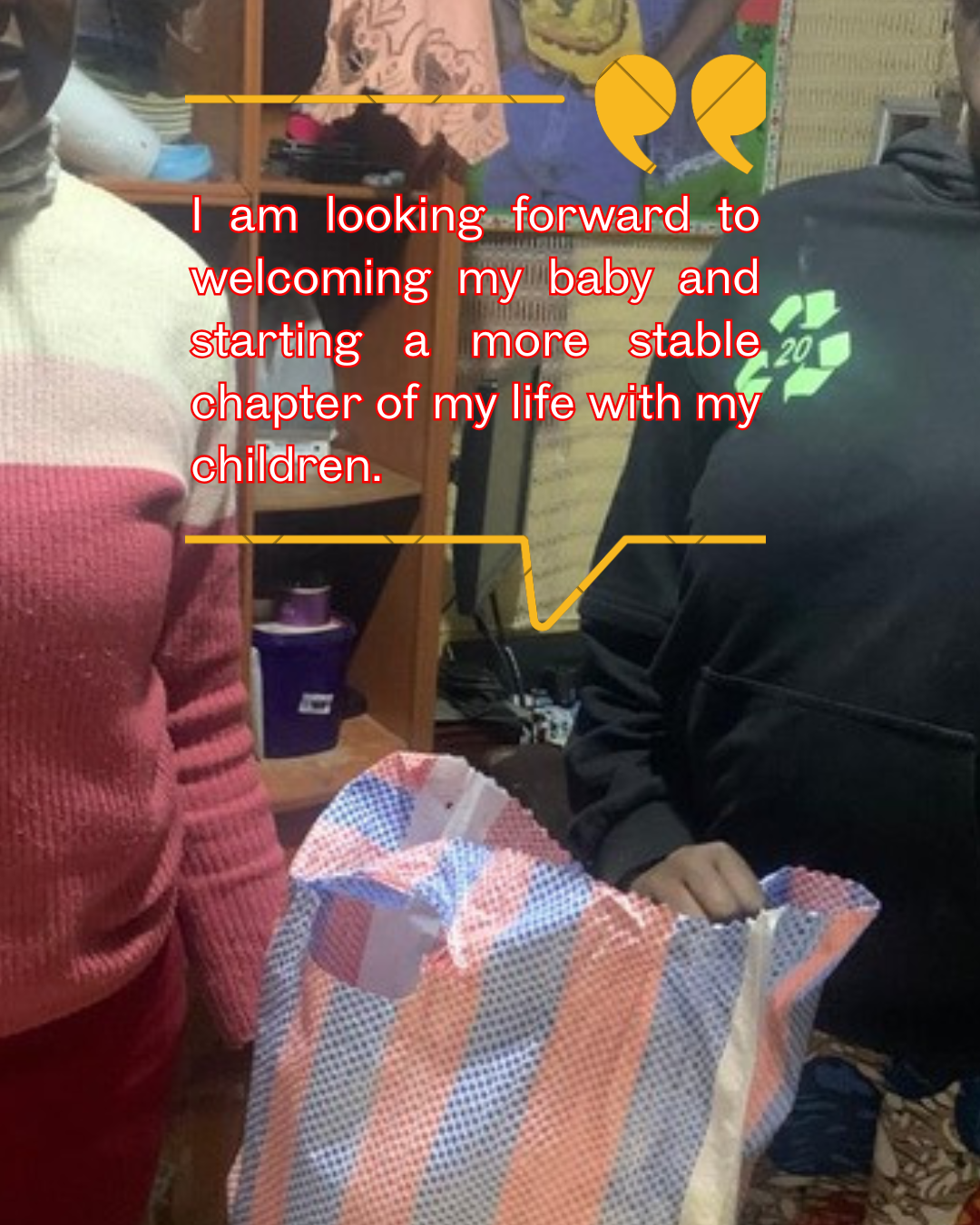
After more than two years in custody without her case being heard, Marion walked free.
Today, she will hold her sons again, not across a prison visiting table, but at home. Her youngest, who was barely a toddler when she was arrested, will finally sleep under the same roof as his mother. Her eldest will no longer carry the quiet burden of being "the man of the house" before his time.
Marion's story is a painful reminder of how pre-trial detention can quietly become punishment without conviction. Yet it is also proof that persistence matters, that advocacy matters, and that having a dedicated legal partner changes everything. Justice Nest did not simply file paperwork. The organization stood with Marion through every adjournment, every broken promise of a hearing, and every moment she felt hope slipping away. When the prosecution failed to act, Justice Nest demanded accountability. When the court wavered, Justice Nest pressed forward with the law.
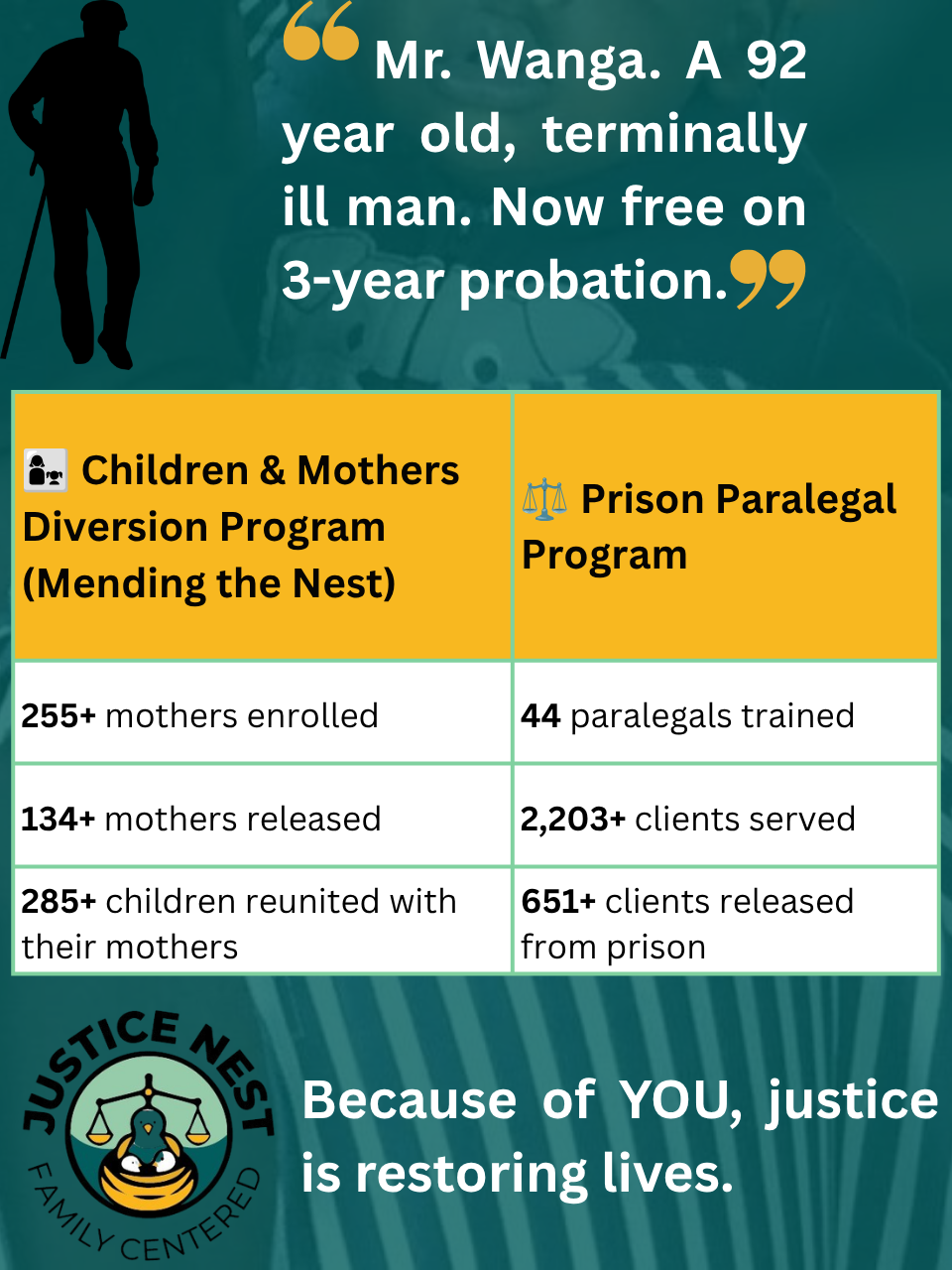
Marion's case is not unique. Across Kenya, thousands of pretrial detainees, many of them mothers, languish in custody for years without conviction. Their children grow up waiting. Their families are torn apart by delay. Justice Nest exists to change this reality every day. The organization actively identifies vulnerable detainees who have been forgotten by the system through our Children and Mothers Diversion and Restorative Justice Program (Mending the Nest), prioritizing mothers with young children. we work to prevent the imprisonment of mothers and children by addressing poverty, trauma, and social inequalities . By providing pro bono legal aid, counseling, life skills training, and economic empowerment , we keep families together and ensure that children are protected from the long-term consequences of parental incarceration. Our Prison Paralegal Program (Bridging the Justice Gap) equips inmates and prison officers with legal education to improve access to justice . By training paralegals within prisons, we enable incarcerated individuals to advocate for themselves and assist fellow inmates with legal matters , ensuring fairer trials and reducing prison congestion.
Beyond the courtroom, Justice Nest provides social support for families, maintaining connections between detained parents and their children, and facilitating reunification upon release. The organization also tracks and challenges systemic delays, documenting every adjournment and missed hearing to build data that strengthens individual cases and informs broader advocacy for pretrial detention reform in Kenya.
Sometimes justice comes not in dramatic courtroom battles, but in refusing to accept endless adjournments as normal. For Marion, justice meant finally being heard. For her children, justice means getting their mother back.
Today, a mother is home. And two boys get their childhood back. Marion's story is why Justice Nest exists. It is why the organization will continue to show up, push back, and fight, for every mother, every child, and every family waiting for justice that is long overdue.




.jpeg)

.jpeg)