Stories

February, 2026
When Minor Offences Lead to Major Injustice
The Quiet Crisis of Petty Offence Detention in Kenya.
Now picture this...You are arrested for a minor offence, say hawking without a permit, creating a disturbance, loitering or failing to produce an identification document. The offence attracts either a fine or at most, a short custodial sentence of less than six months. You expect to be processed, perhaps fined and released.
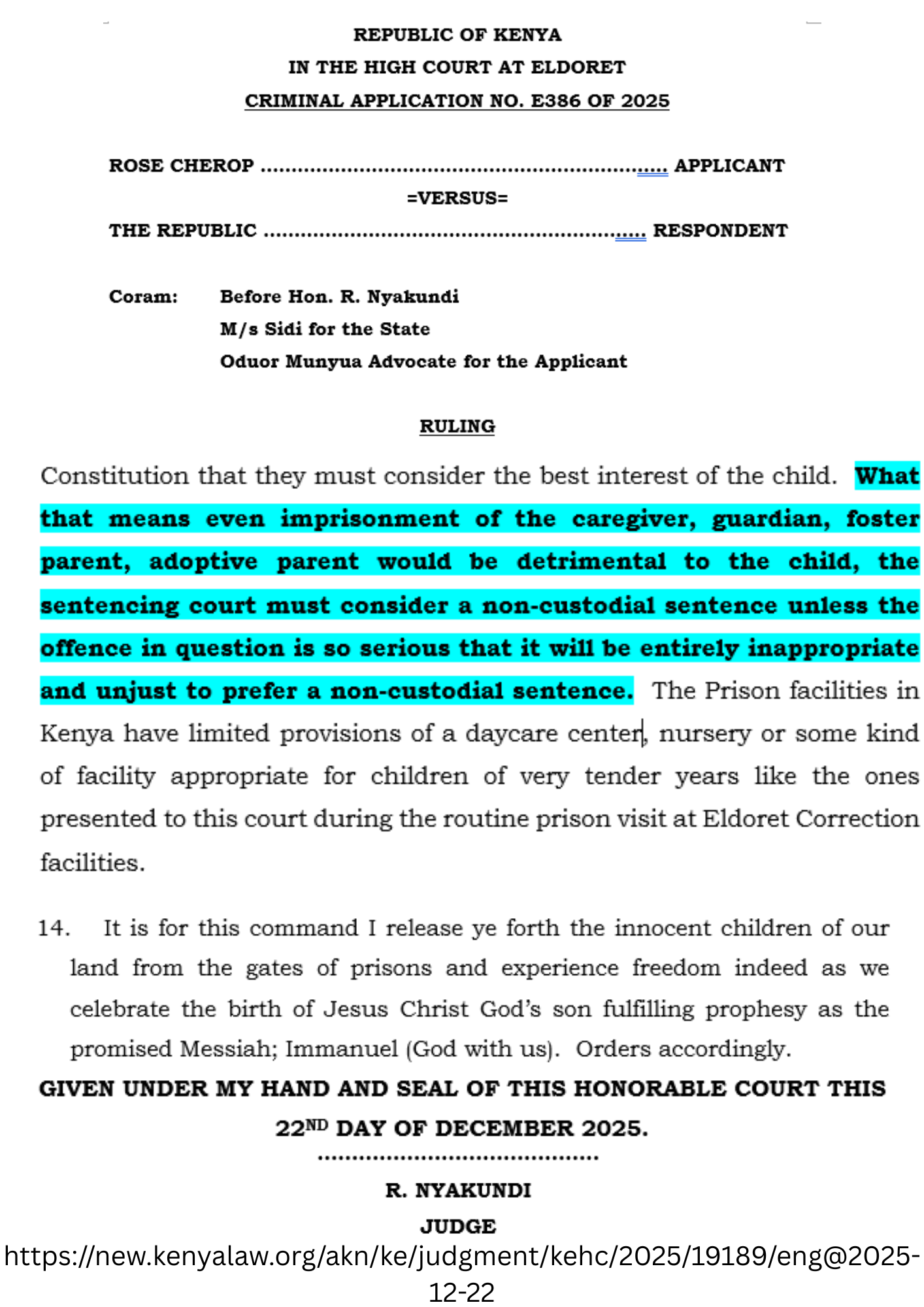
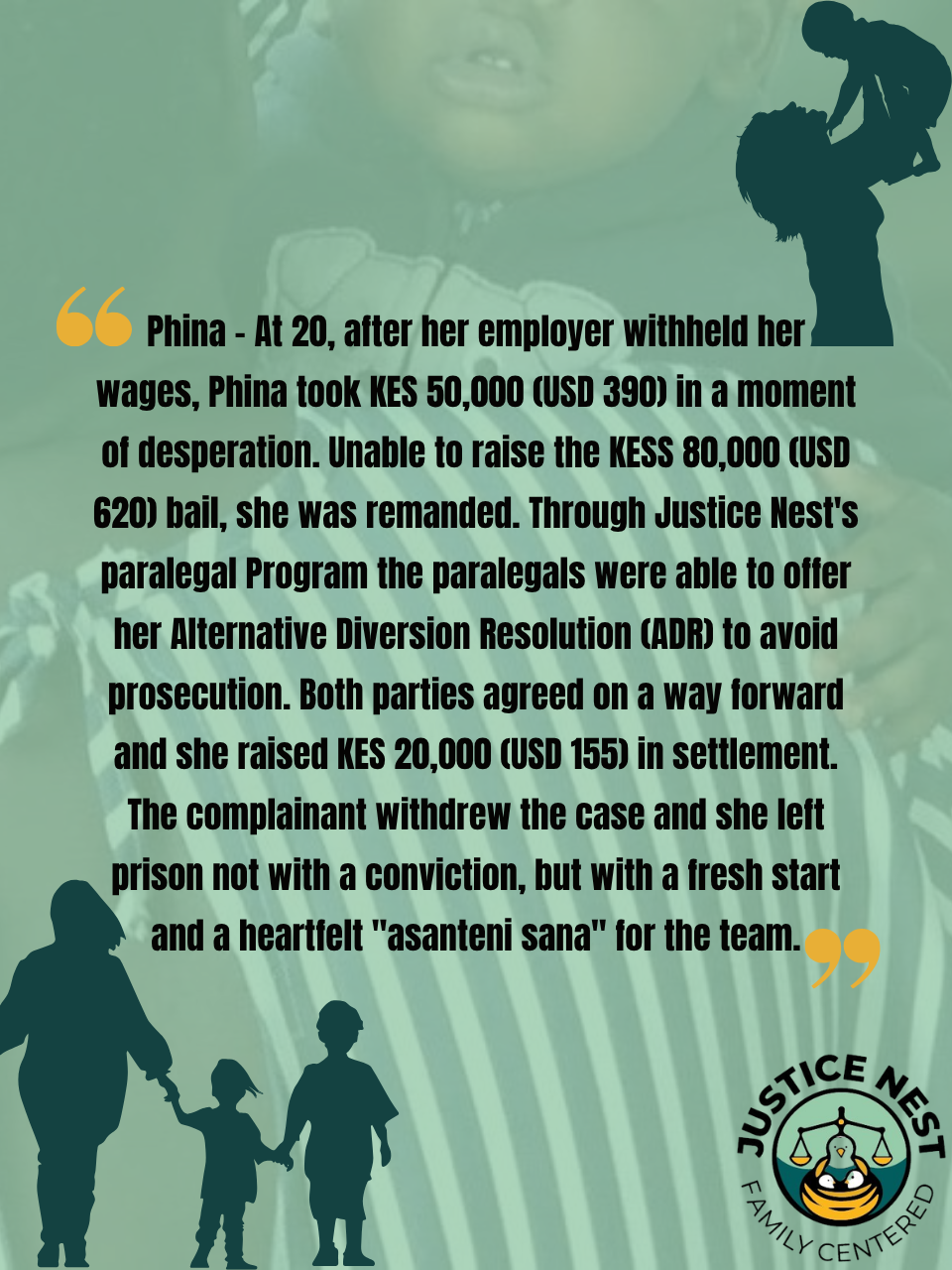
Instead, you are locked in a police cell, days pass, you are eventually produced in court and remanded in custody because you cannot raise cash bail. If you are a single mother, your children are left behind unattended. Yet the Constitution of Kenya is clear.
Article 49(1)(h) provides that an arrested person has the right “to be released on bond or bail, on reasonable conditions, pending a charge or trial, unless there are compelling reasons not to be released.” More importantly, Article 49(2) goes even further: “A person shall not be remanded in custody for an offence if the offence is punishable by a fine only or by imprisonment for not more than six months.” On paper, this provision is absolute. In practice, it is routinely ignored.
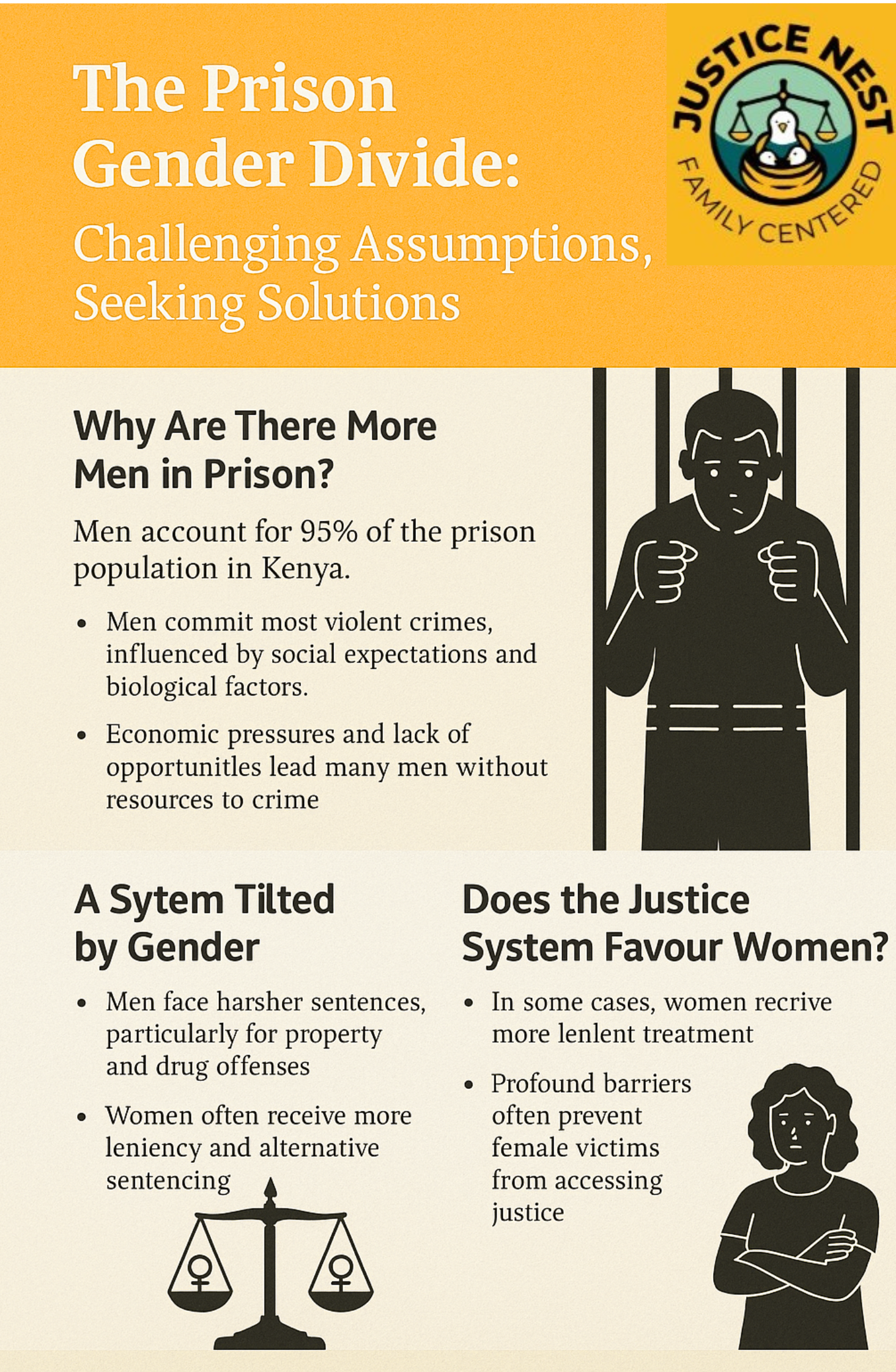
Across Kenya, remand prisons remain overcrowded, not because of serious offenders awaiting trial, but largely due to people charged with minor, non-violent offences. According to recent prison and judiciary data, a significant proportion of remand prisoners are held for petty offences, many of which fall squarely within the category prohibited by Article 49(2). This reality is reflected in Kenya’s chronic prison congestion. 2023/24 data from the World Prison Brief indicates that Kenyan prisons are operating at approximately 160 per cent of their official capacity, with remand prisoners making up an estimated 41% to nearly 50% of the total prison population.
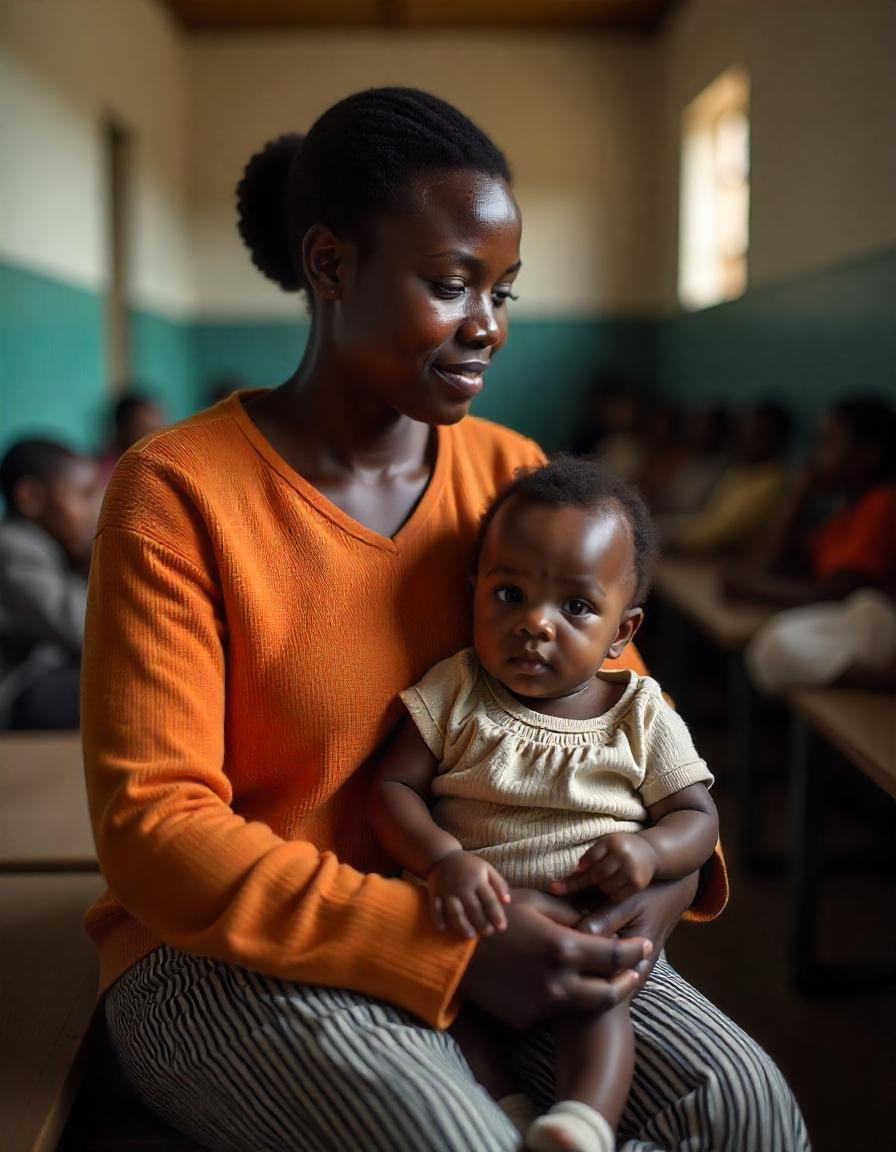
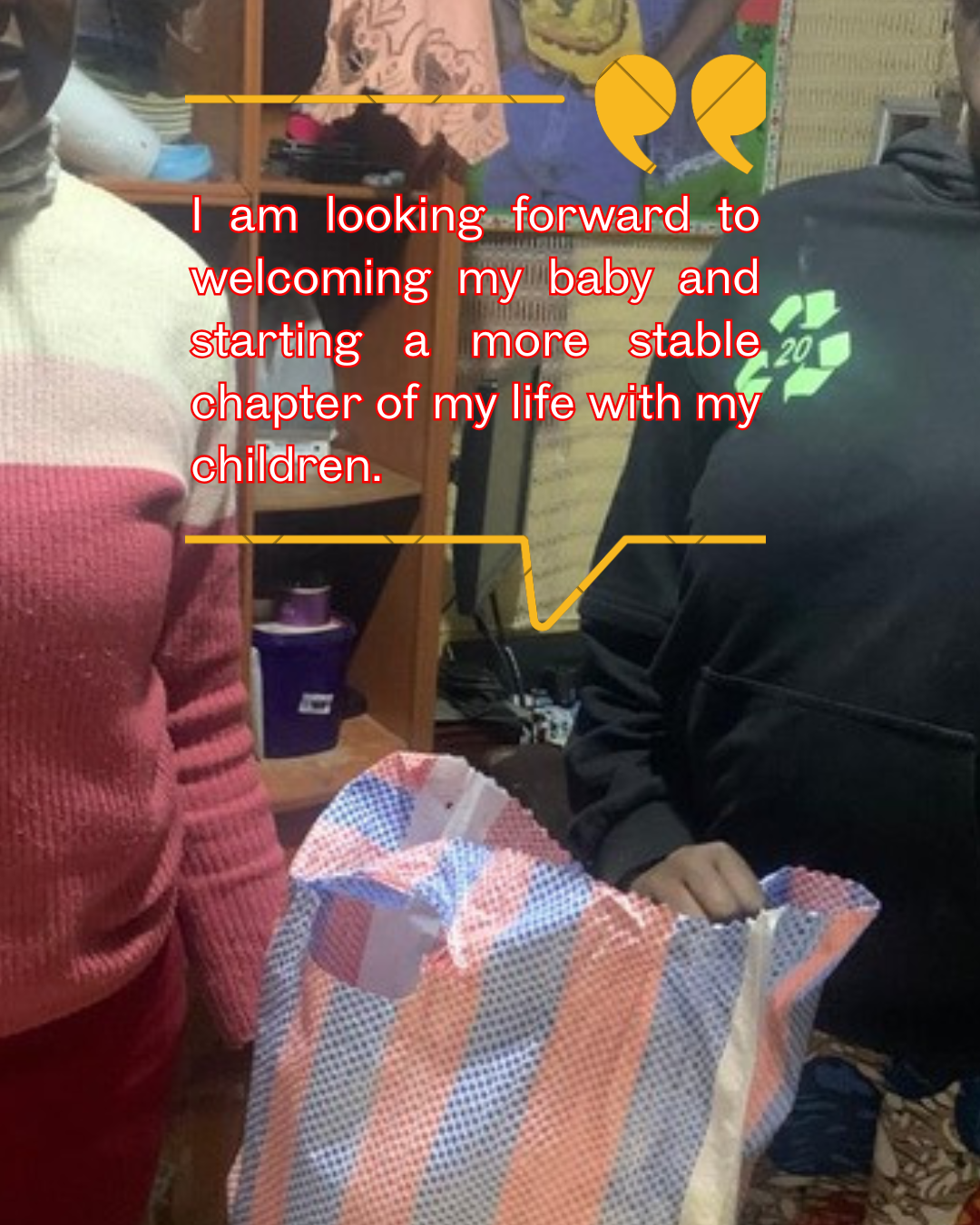
Women form a notable segment of those held on remand, often detained for offences linked to poverty, survival, or informal economic activity rather than serious criminal conduct. Women in remand custody are frequently charged with offences such as nuisance, hawking-related violations, minor assaults, or child-related offences tied to socio-economic distress. Many are single mothers. Many are first-time offenders. Many should never have been remanded in the first place. This reality exposes a deep contradiction between constitutional promise and institutional practice.
Kenya’s legal framework does not expressly define what constitutes a “petty offence.” Instead, the Penal Code classifies offences broadly into felonies and misdemeanours, with misdemeanours attracting lighter penalties. While not all misdemeanours are petty, many offences punishable by fines or imprisonment of six months or less clearly fall within the spirit of Article 49(2).
The absence of a formal statutory definition has created space for misuse. Police officers continue to arrest and detain. Prosecutors continue to charge. Courts continue to remand often without interrogating whether the Constitution permits custody at all for the offence in question. This is not a gap in the law. It is a failure of compliance.
The most troubling aspect of this practice is how it disproportionately affects women, particularly mothers. In many cases, women are not remanded because the offence is serious, but because they are poor. They cannot afford cash bail. They lack legal representation. They are unaware that the Constitution expressly forbids their detention for such offences.
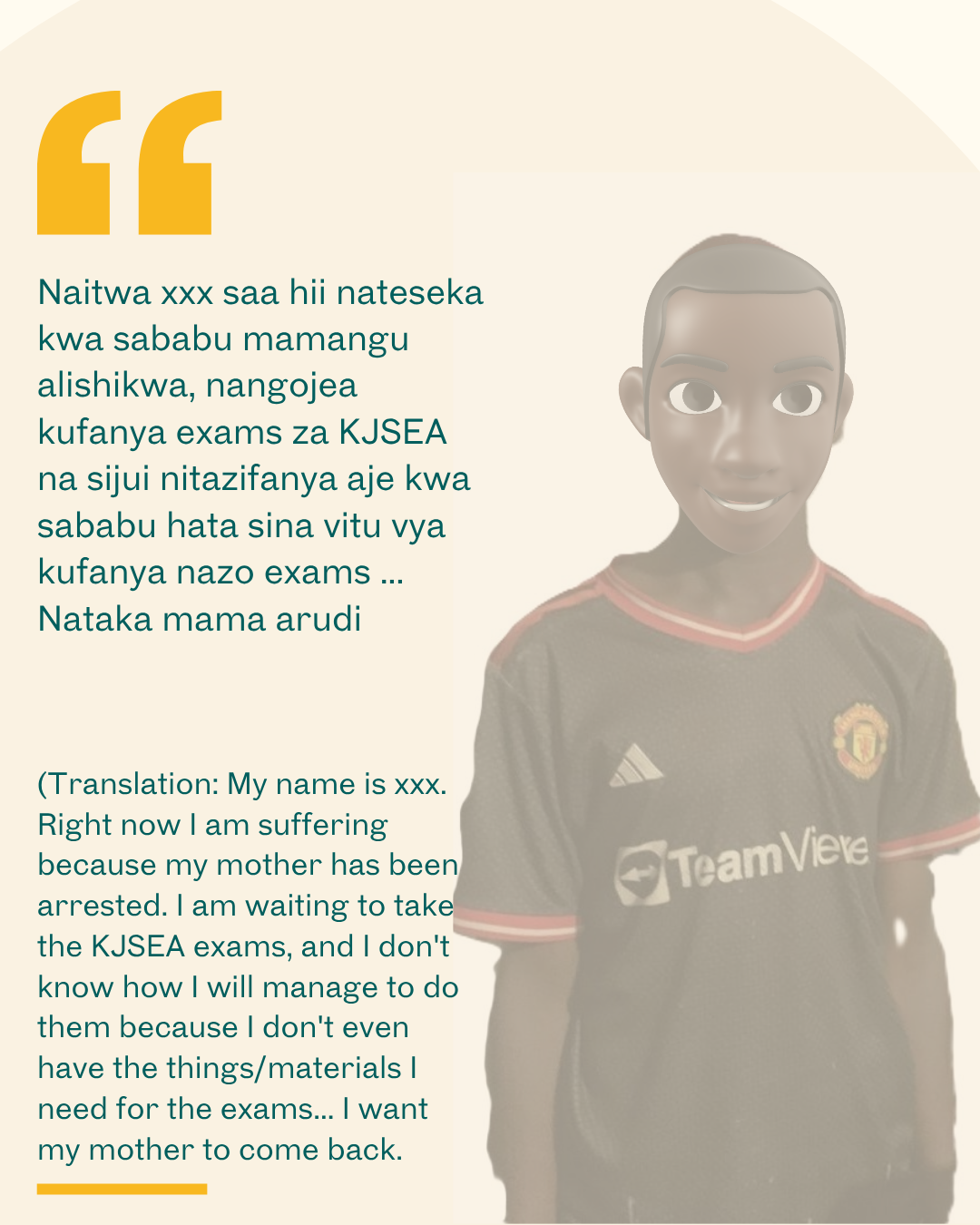
The result is devastating. Children are separated from their primary caregivers. Families destabilize. Women lose employment, housing, and social support, all before guilt is ever established. The punishment begins long before conviction. This runs directly contrary to the constitutional presumption of innocence and the principle that pretrial detention should be the exception, not the rule.
This problem cannot be blamed solely on police conduct. It reflects a broader institutional failure. Magistrates, prosecutors, and defence counsel are all officers of the court, sworn to uphold the Constitution. Article 159 requires justice to be administered in a manner that protects and promotes constitutional values, not merely processes cases efficiently. When courts remand individuals for offences explicitly excluded under Article 49(2), they participate whether consciously or not in constitutional violations. The response that such matters should be addressed through constitutional petitions only worsens the problem. Not every arrested person can approach the High Court. Justice delayed or deferred is justice denied.
Article 49(2) was designed to prevent exactly what is happening today. It recognizes that detention is not neutral it carries social, economic and psychological consequences. It acknowledges that minor offences do not justify the disruption of liberty, family life, and dignity.
To give life to this provision, several steps are necessary. Courts must interrogate remand decisions at the very first appearance. Prosecutors must decline to seek custody where the Constitution prohibits it. Police officers must be trained to understand that arrest does not automatically mean detention. And where detention has already occurred unlawfully, courts must fashion meaningful remedies including release, nominal bonds, or striking out proceedings where appropriate.
Every woman unlawfully remanded for a petty offence represents more than a legal error. She represents a family destabilized, children exposed to harm and a justice system drifting away from its constitutional compass.
The Constitution did not create Article 49(2) as a suggestion. It created it as a safeguard. Ignoring it normalizes injustice and turns poverty into a punishable condition. If Kenya is serious about decongesting prisons, protecting women and honouring constitutionalism, then enforcement must begin where liberty is most vulnerable, at the point of arrest and remand.
Because no one should lose their freedom for an offence the Constitution says does not warrant it.
Waku Wesley-Legal Aid Advocate Justice Nest




.jpeg)
.jpeg)