Stories
March, 2026
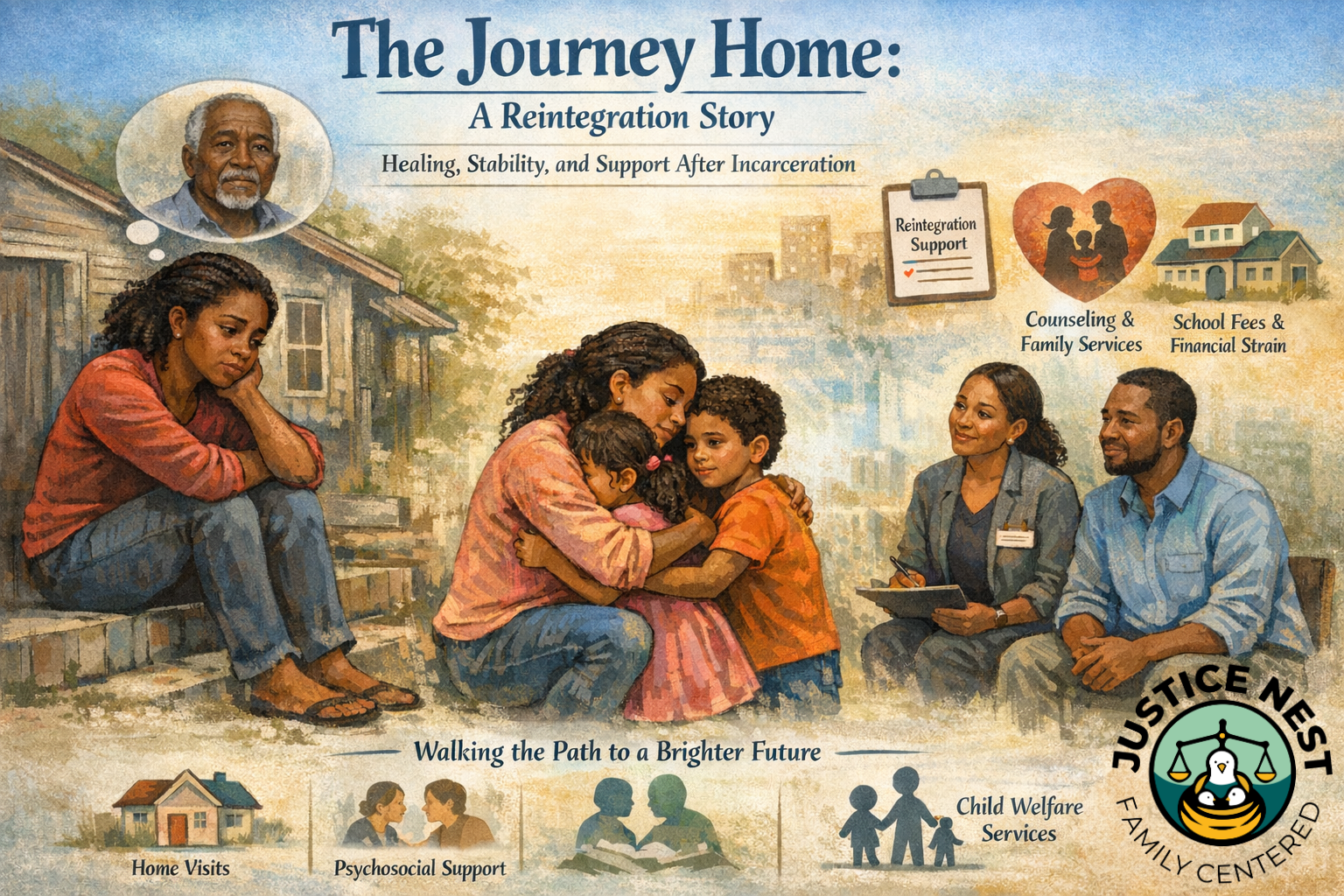
The Journey Home: A Reintegration Story
Reintegration after incarceration is rarely simple. For many women, returning home marks the beginning of a deeply complex journey, one that requires healing, stability, and support.
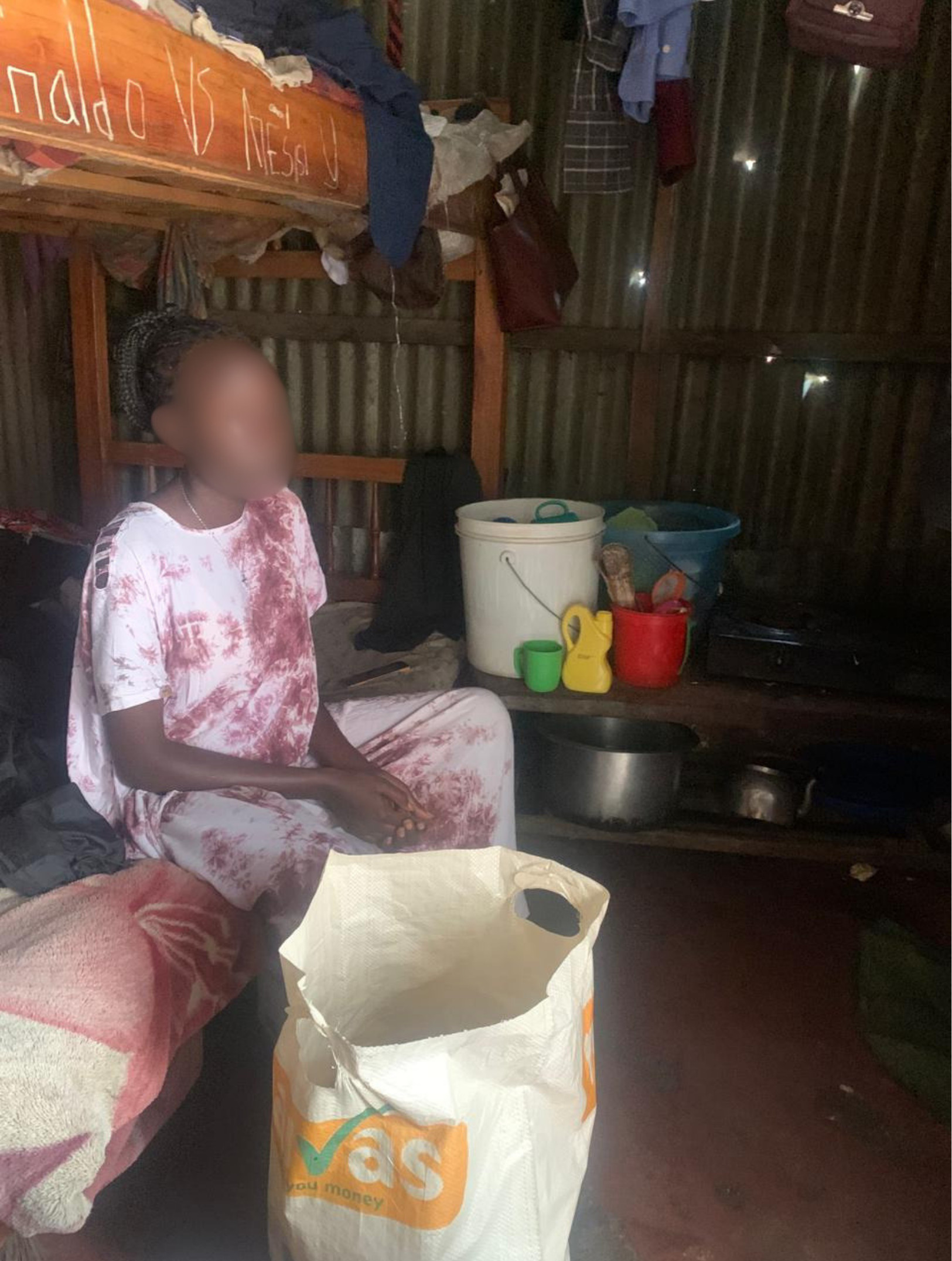
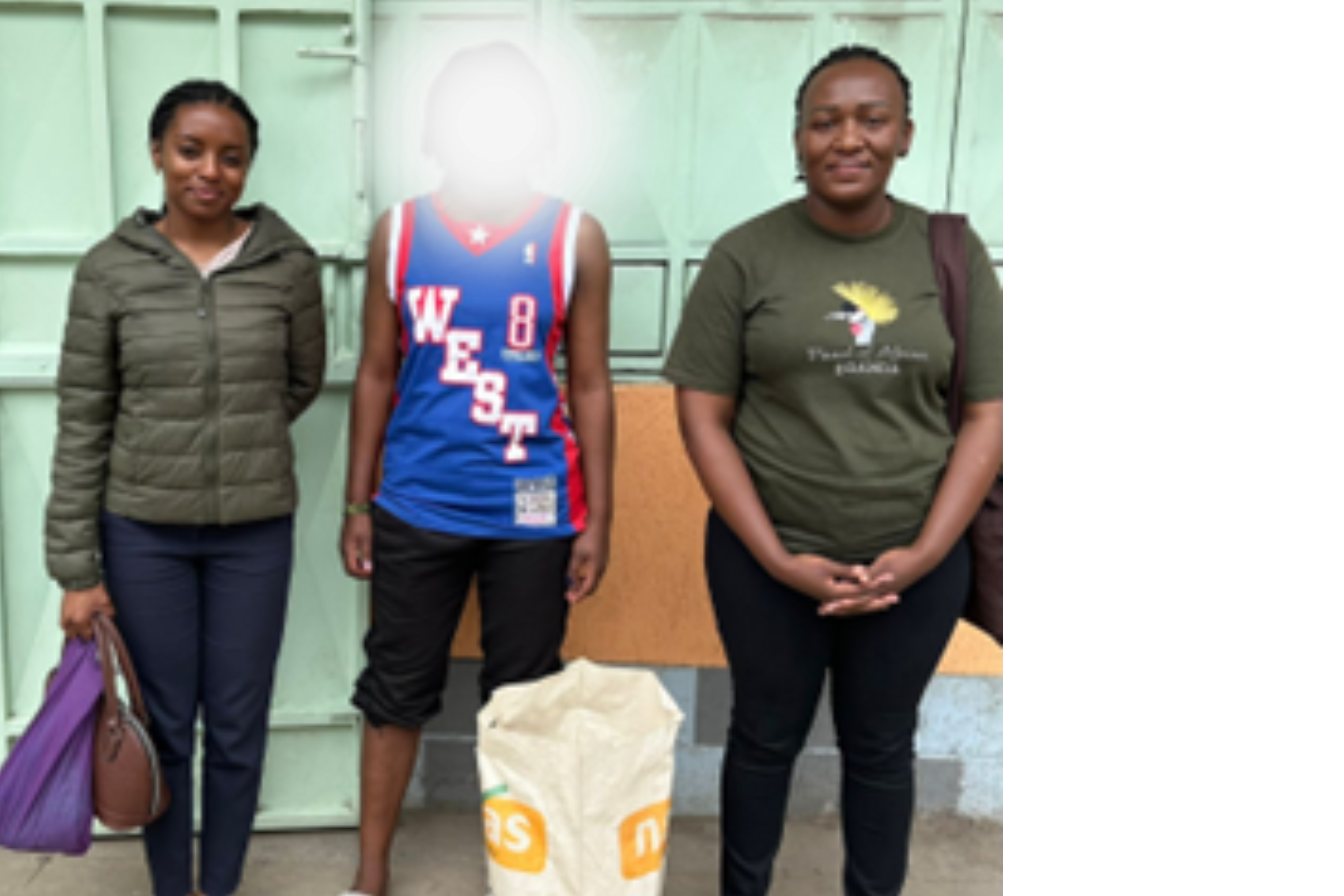
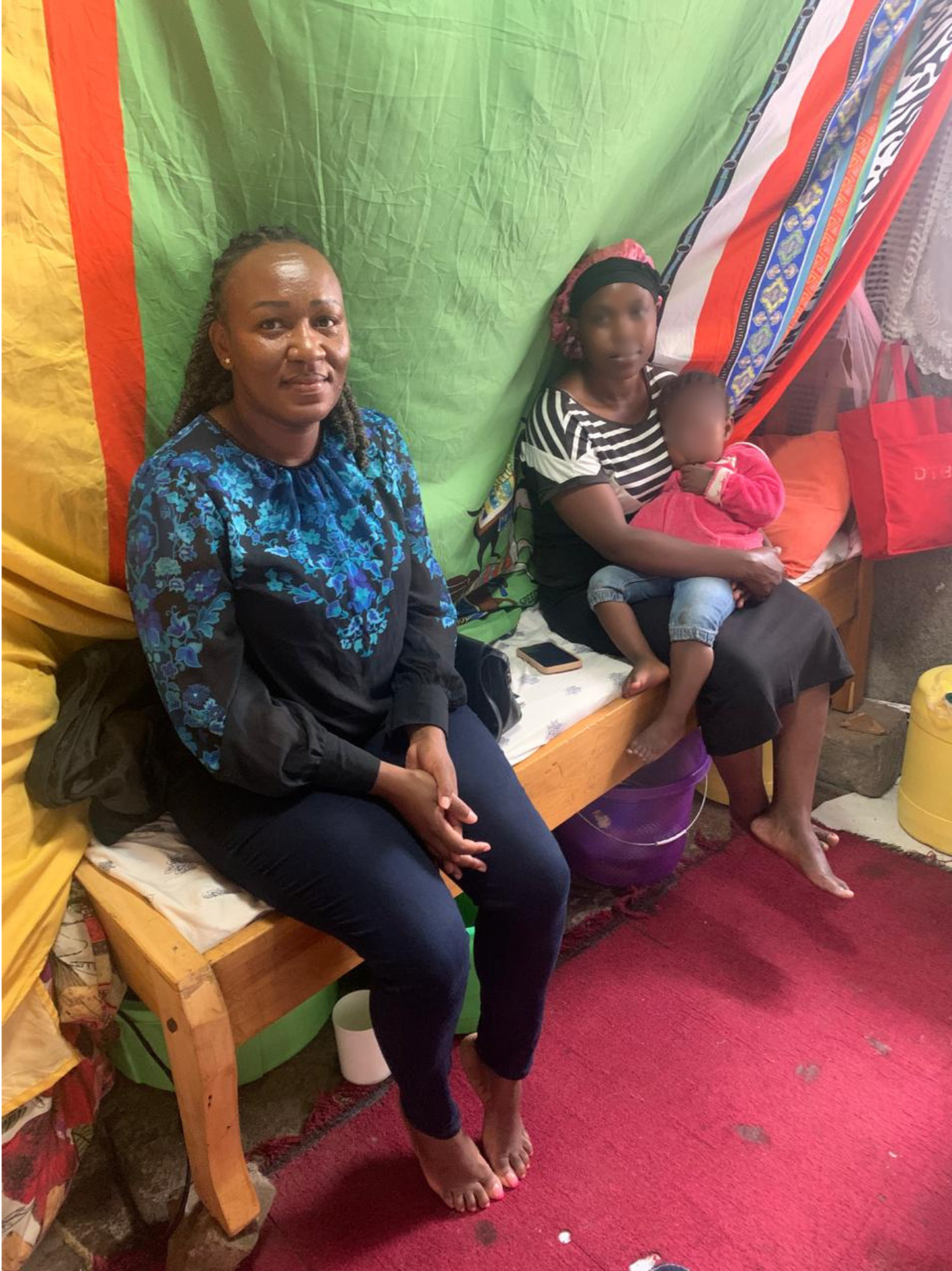
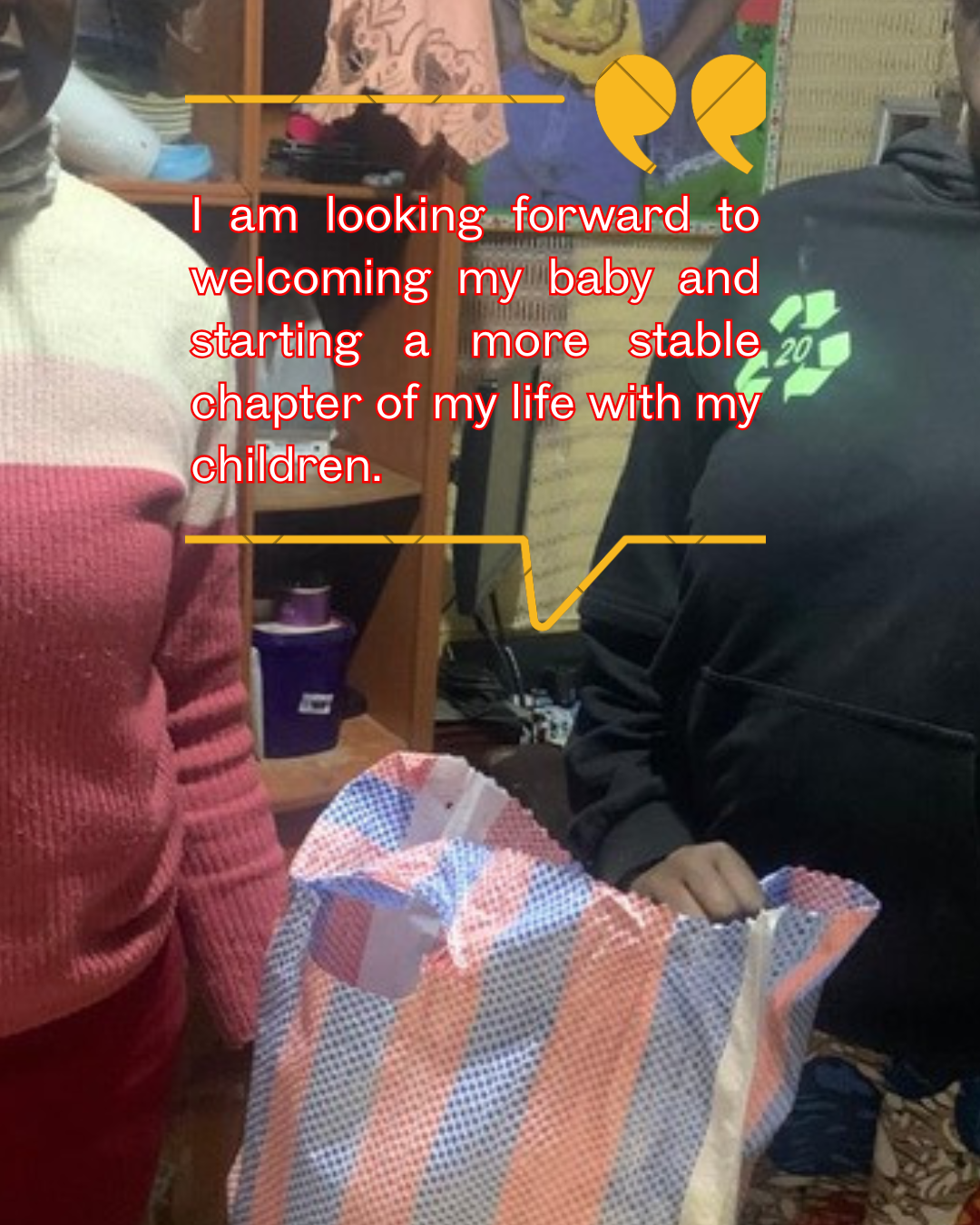
During a recent home visit, the Justice Nest Social Welfare team met a 27-year-old mother of two who had been released from custody just three weeks earlier. The visit was part of our ongoing reintegration support, checking in on mothers after release to understand their living conditions, family dynamics, and the support they may need to rebuild their lives.
When we arrived at her maternal home, we learned that she was no longer staying there. Family tensions had surfaced shortly after her return, and she had been asked to leave. Situations like this are not uncommon. Reintegration often brings long-standing family wounds to the surface, especially where trauma, financial stress, and unresolved conflict already exist.
Unexpectedly, the young mother arrived while we were there. She had come to see her children. In a private conversation with our team, she spoke about the grief of losing her father, the person she believed would have been her strongest source of support. She described feeling alone and struggling to find her place again within the family.
It was clear that the challenges she faced went far beyond the experience of incarceration. Beneath the surface were deep emotional wounds, strained relationships, and the immense pressure of trying to reconnect with her children while rebuilding her life.
Her children, aged nine and six, are also navigating this transition. Like many families affected by incarceration, the bonds between parent and child can take time to heal. Meanwhile, the wider household is facing financial pressures, with school fees and rent arrears weighing heavily on the family.
Stories like this remind us that reintegration is not simply about release from custody. It is also about restoring dignity, rebuilding trust, and creating pathways to stability for both mothers and their children.
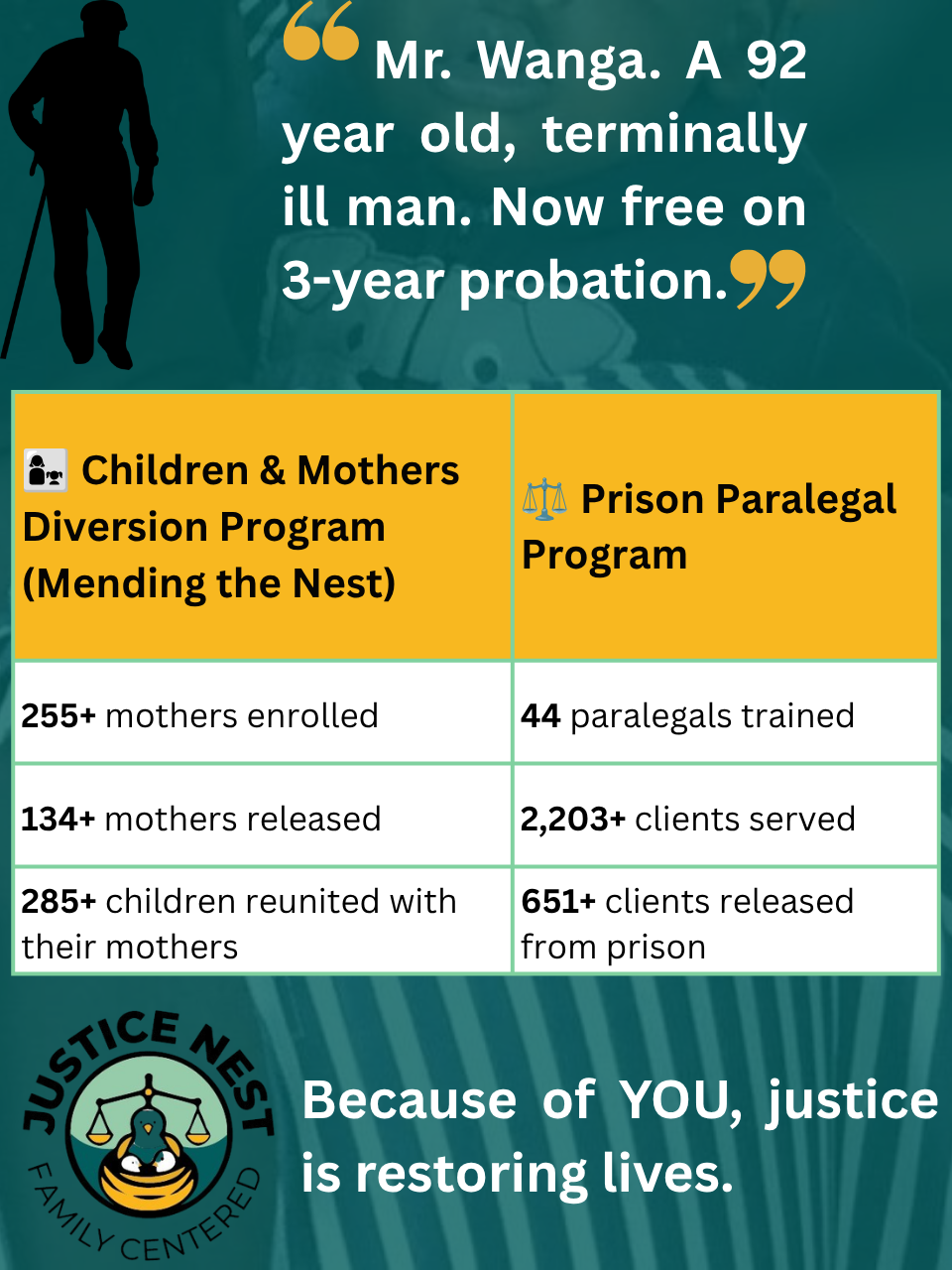
This is where Justice Nest continues to stand alongside families. Through our Children and Mothers Diversion and Restorative Justice Program (Mending the Nest), we work to ensure that mothers returning home are not left to navigate these challenges alone. Our team conducts home visits and reintegration assessments, provides psychosocial support, facilitates family dialogue where possible, and connects women to counseling, social services, and child welfare systems. We also advocate for alternatives to incarceration so that vulnerable mothers can remain with their children whenever possible.
Following this visit, referrals were initiated to child welfare services to explore support options for the children while encouraging the young mother to engage with available social services that can help her move toward stability and healing.
Reintegration is a process that requires patience, compassion, and sustained support. At Justice Nest, we remain committed to walking this journey with returning mothers and their children, helping families rebuild their lives with dignity, hope, and opportunity. We believe when a mother is supported to rebuild her life, her children, and the entire community, have a better chance at a stronger future.
Janett Muasa- Volunteer Social Worker



.jpeg)

.jpeg)