Stories

October, 2026
🏛️There Are Three Sides to Every Case ⚖️
In every case that goes to court, there are always 3 sides of the story [the coin]; The victim’s story, the accused’s story and the determination of the court. The traditional trial system is tailored in the manner that the victim tells their story, the accused tells theirs and finally the court makes its decision. While justice can be achieved this way, litigation carries inherent risks, long delays while Alternative Dispute Resolution (ADR) Mechanisms yield swift and predictable outcomes for all parties.
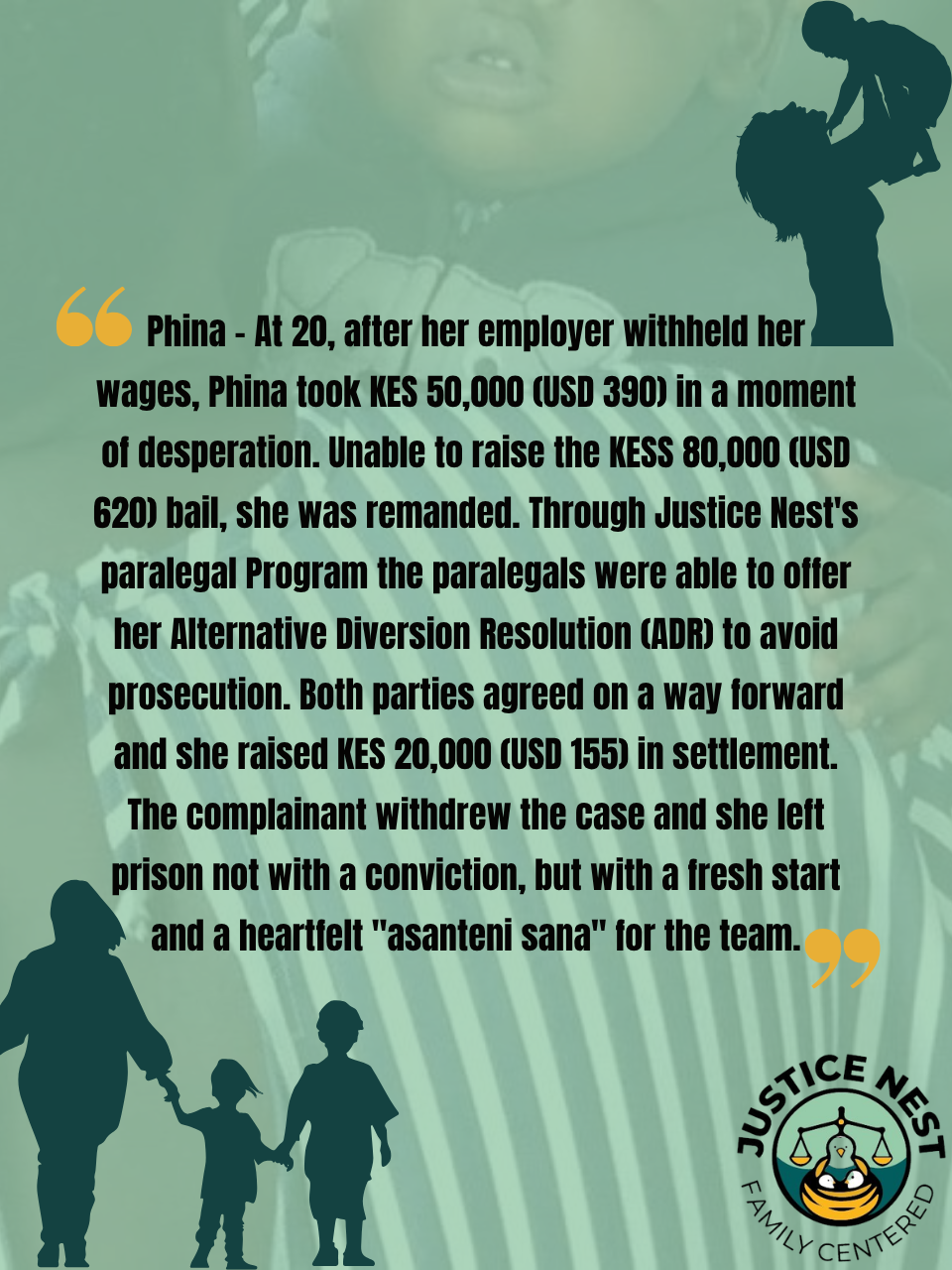
The primary function at Justice Nest is to safeguard the welfare of the minors who are left home by their mothers when they are incarcerated. This often involves resolving the dispute amicably through Alternative Dispute Resolutions (ADR) such as victim-offender mediation and out of court settlements and by doing so, we understand the victim’s sentiments.
Most cases that I have interacted with, the first ADR call made to the victim involves asking them what justice would look like to them; the outcome they hope to achieve. The answer received is always to get what was taken from them, in essence, compensation. However when most victims say this, they say it from a point of ignorance thinking that a criminal case will lead to the court compelling the accused person to compensate them, which is a fallacy.
This is where we take our time to explain to the victim what the outcome of a criminal case is while we open their minds to avenues of receiving their desired outcome. We put the affected party at the center of the resolution process allowing them to define what repair and accountability look like to them. Justice to the victim may involve financial compensation for loss of items/ indemnification against losses stemming from the incident, closure and recognition of rehabilitation by the accused person.
Case Study
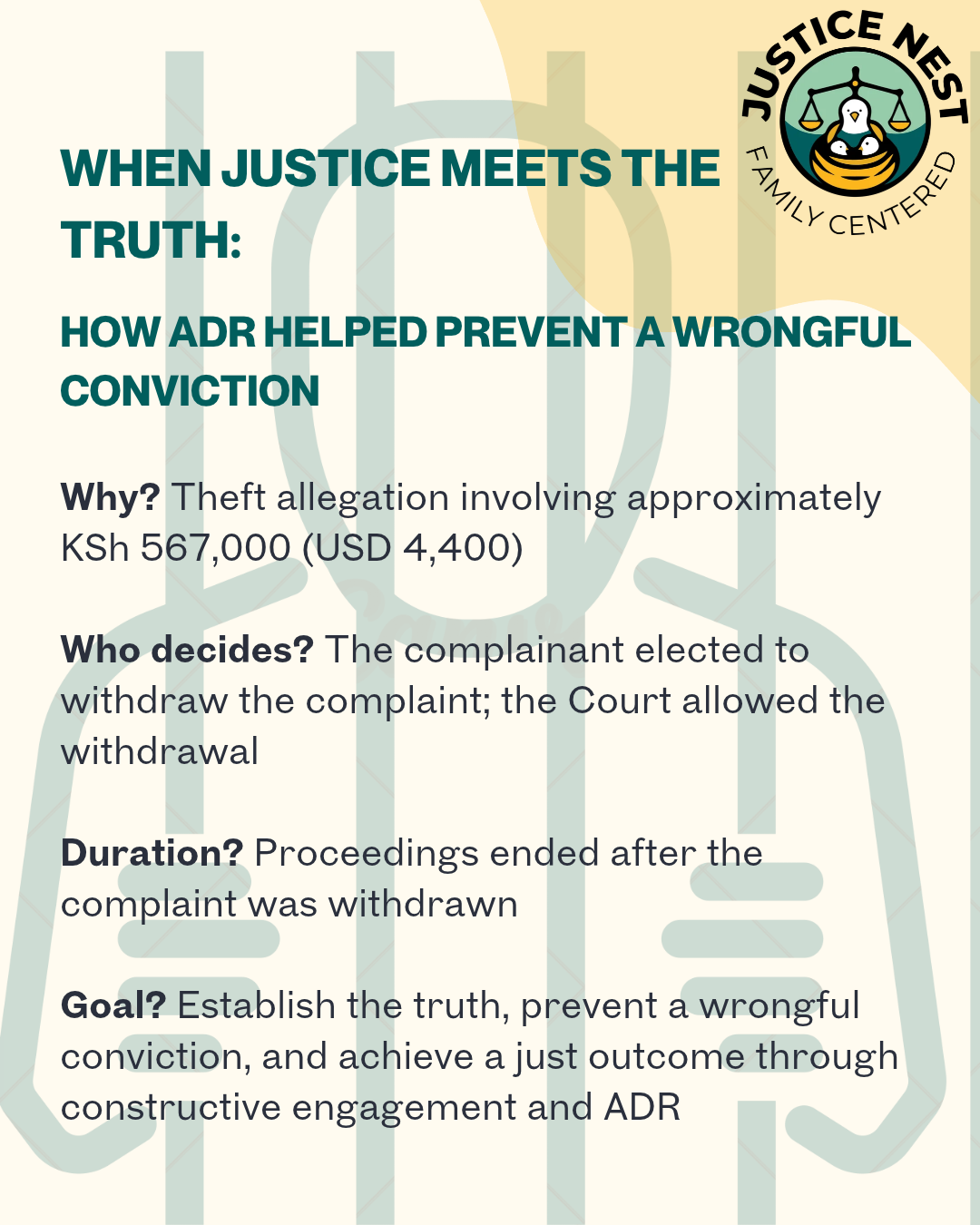
I met Eunice Omuene in Langata who was charged with stealing by servant. Accordingly, I explained to her that we could pursue ADR and establish the wishes of the victim. She diligently gave me the number and when I called, I found out that the victim was in fact a police officer. She informed me that all that she wanted was to recover the clothes that were allegedly stolen. Upon further pursuation, she conceded that knew that the accused person had no money and even if the accused person was to return the clothes, they would not be usable. She proceeded to say that it is enough that the accused person has been in pre-trial detention for three (3) months and has learned her lesson. To her this was justice.
Mercy was charged with offensive conduct. She and her neighbor could not see eye to eye. Through ADR an apology to the complainant was enough closure and was justice to her.
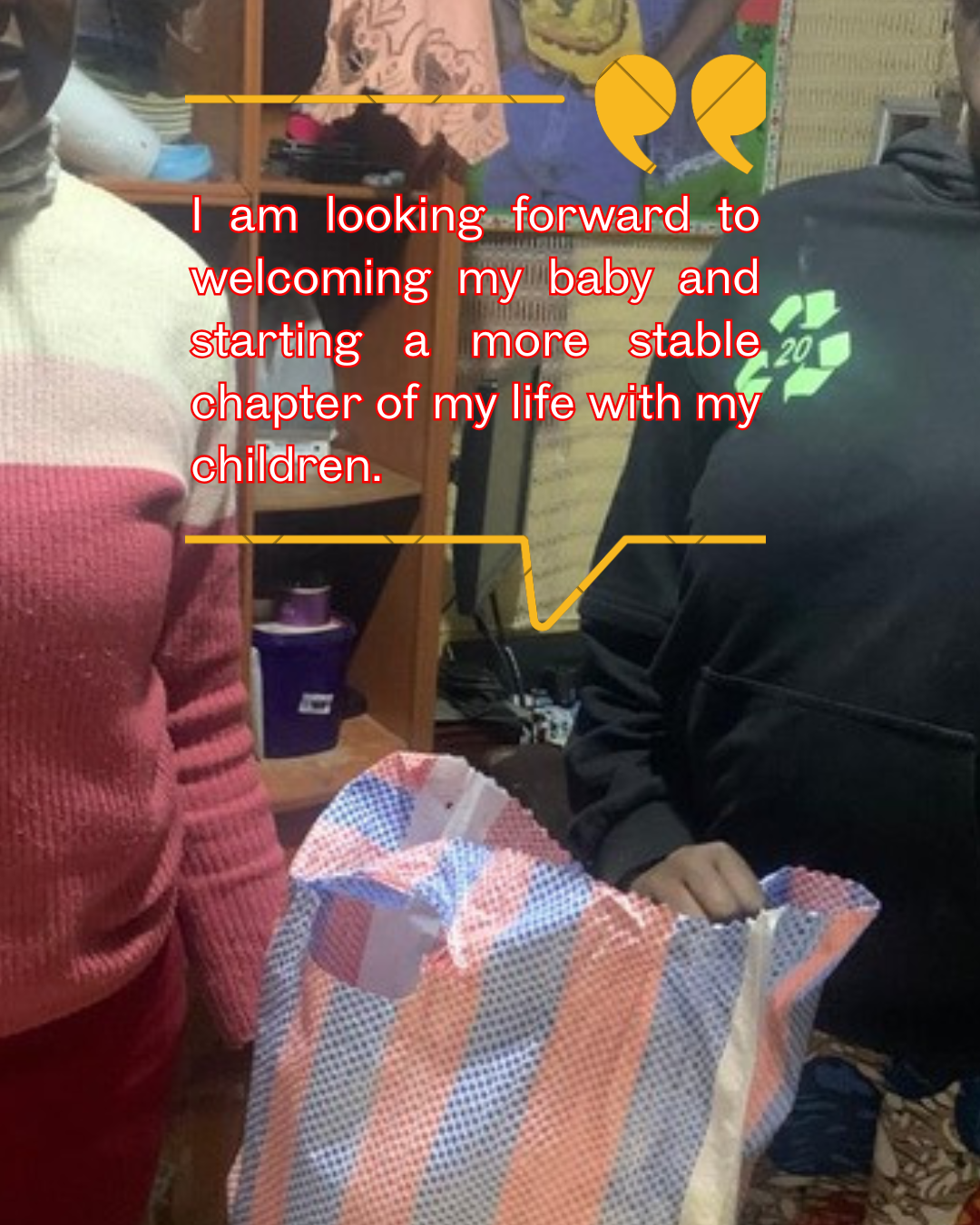
Pauline was charged with grievous harm. There was a dispute between herself and the victim who got hurt in the process. The victim in this case noted that Pauline was expectant and being a mother herself, she agreed to forgive her while requesting for compensation for costs incurred while receiving treatment.
When criminal matters are resolved outside the traditional trial setting, ‘justice’ ceases to be a single, standardized outcome. Instead, it transforms into a personalised remedy tailored to the unique needs and desires of the victim. The essence of ADR is to give victims avenues to achieve closure while securing favorable outcomes and path to rehabilitation for the accused. The victim stands a chance in getting a tailored outcome as a remedy as opposed to traditional incarceration in criminal matters.
Diana Gakinya- Legal Aid Advocate




.jpeg)

.jpeg)