Stories
September, 2026
👩👧👦 For Her Children, A New Beginning
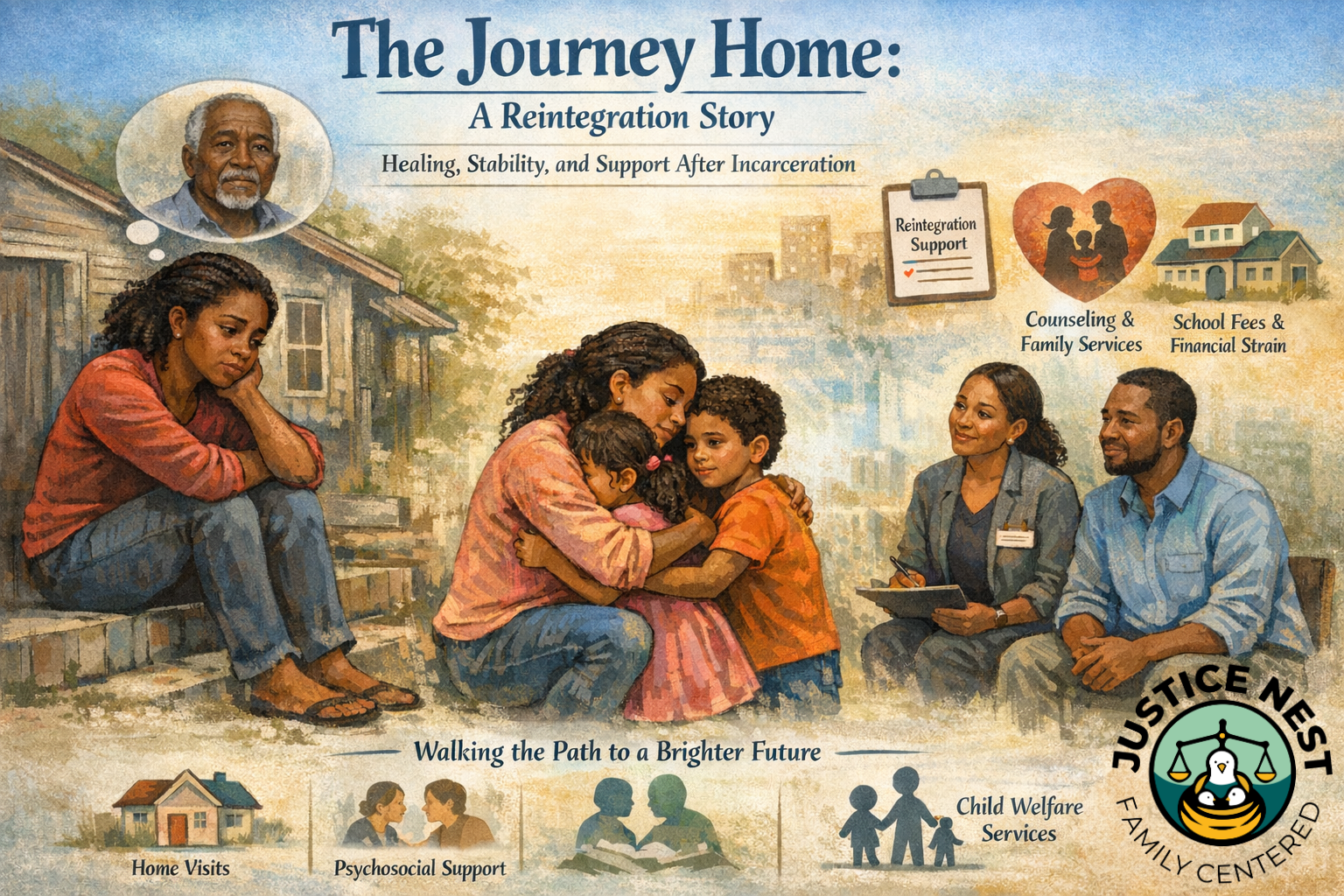
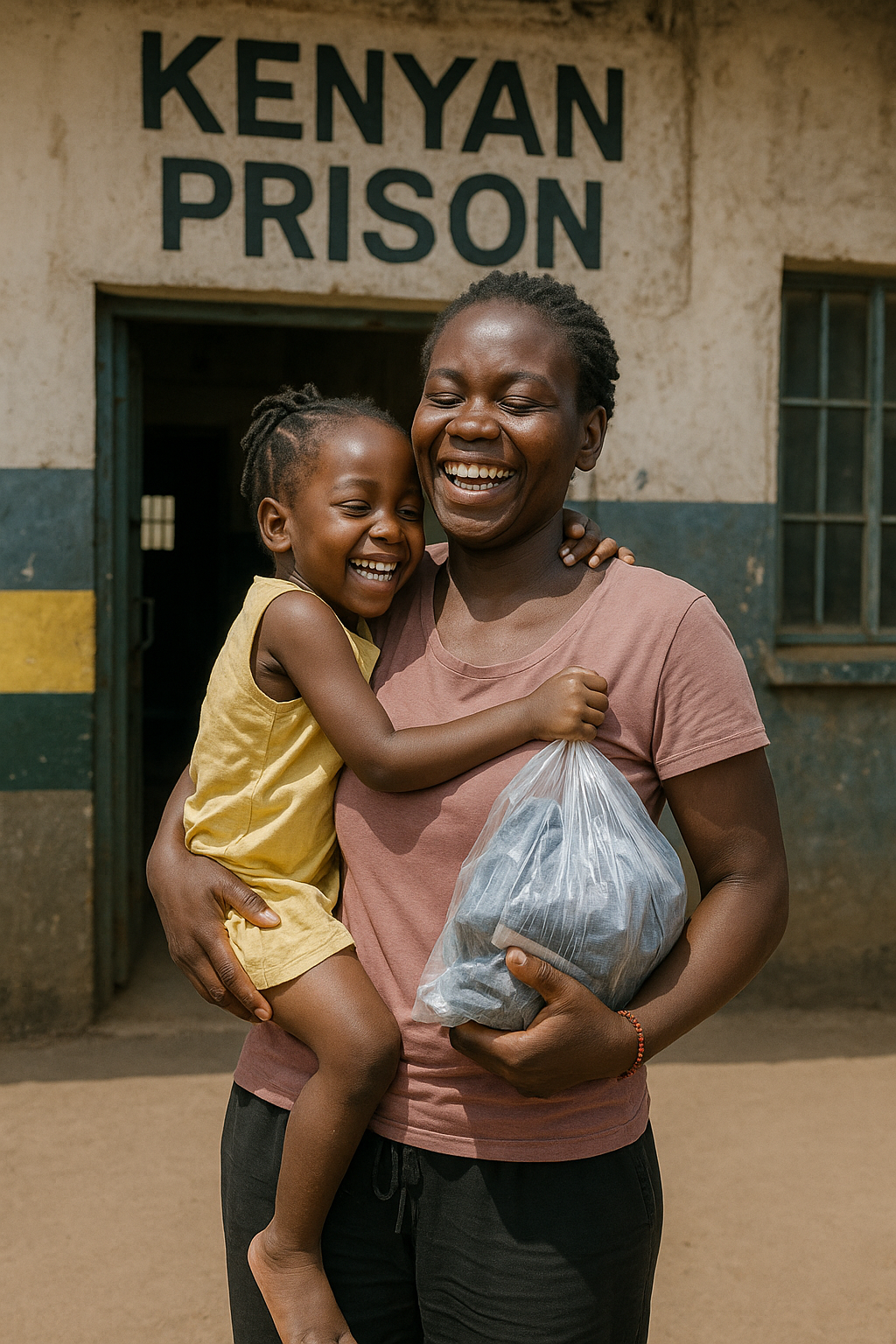
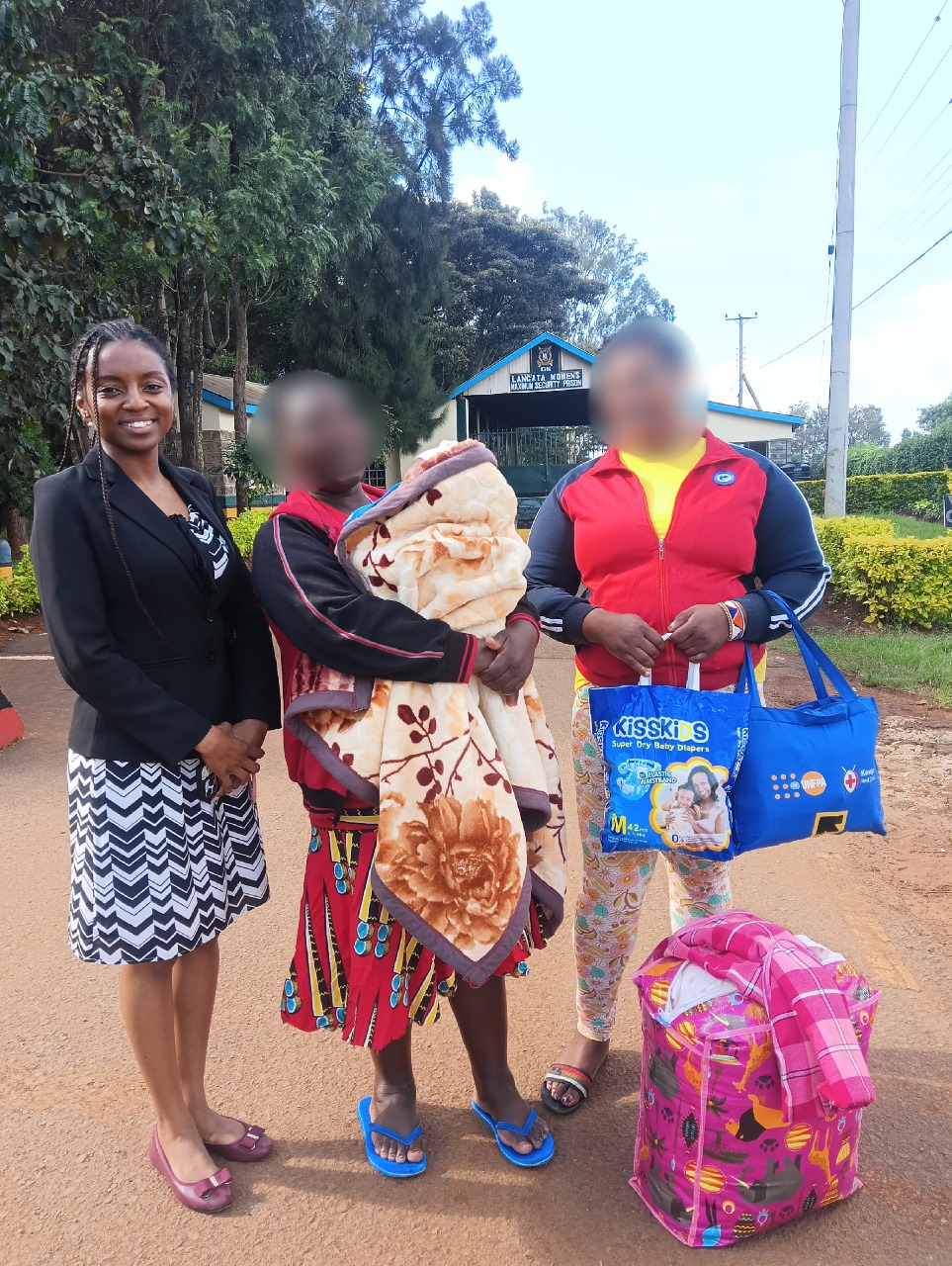
For Anita, returning home after incarceration was not simply about leaving a place of confinement; it was about beginning the difficult but hopeful process of rebuilding her life, preparing for motherhood, and creating a more stable future for her children.
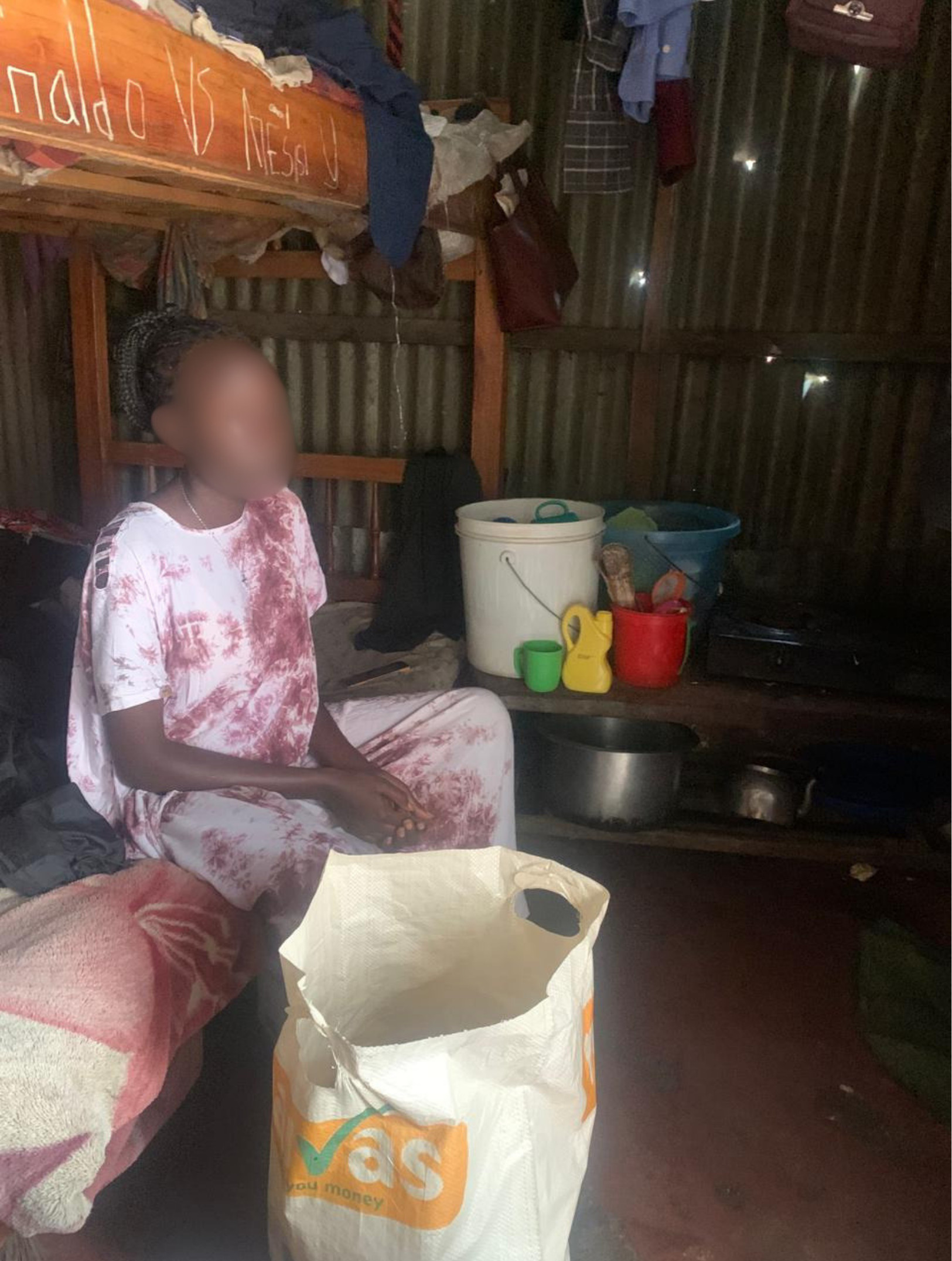
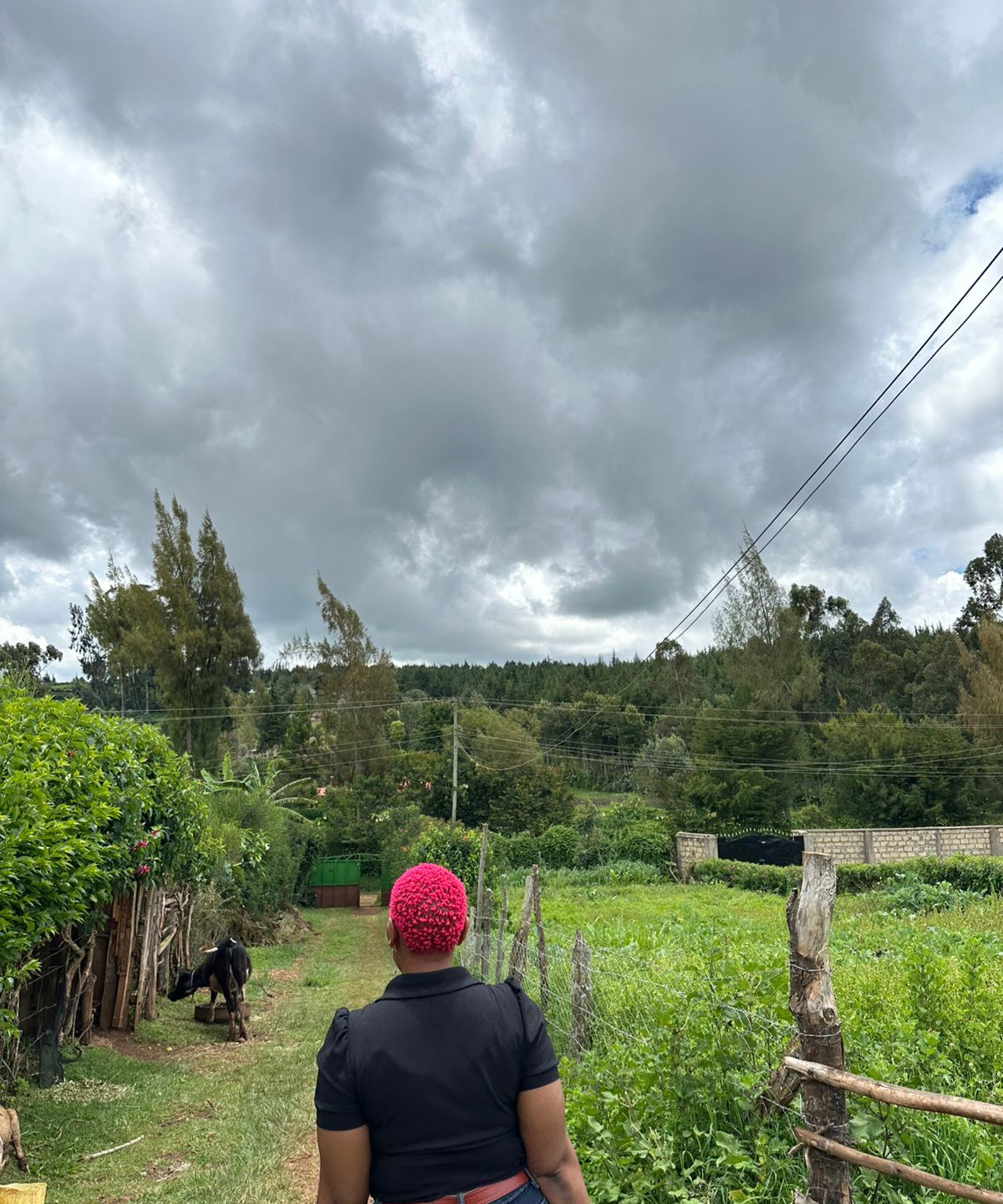
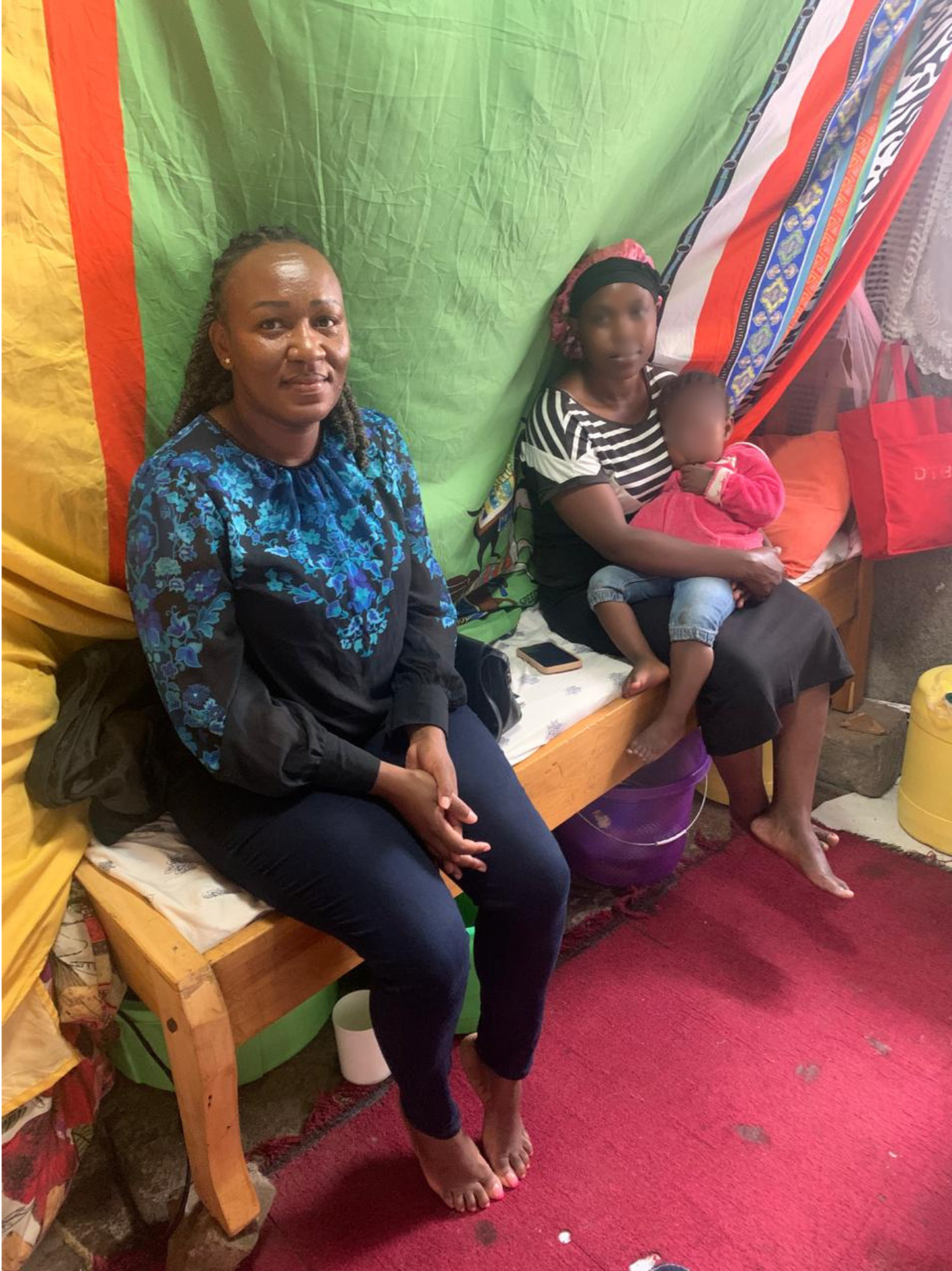
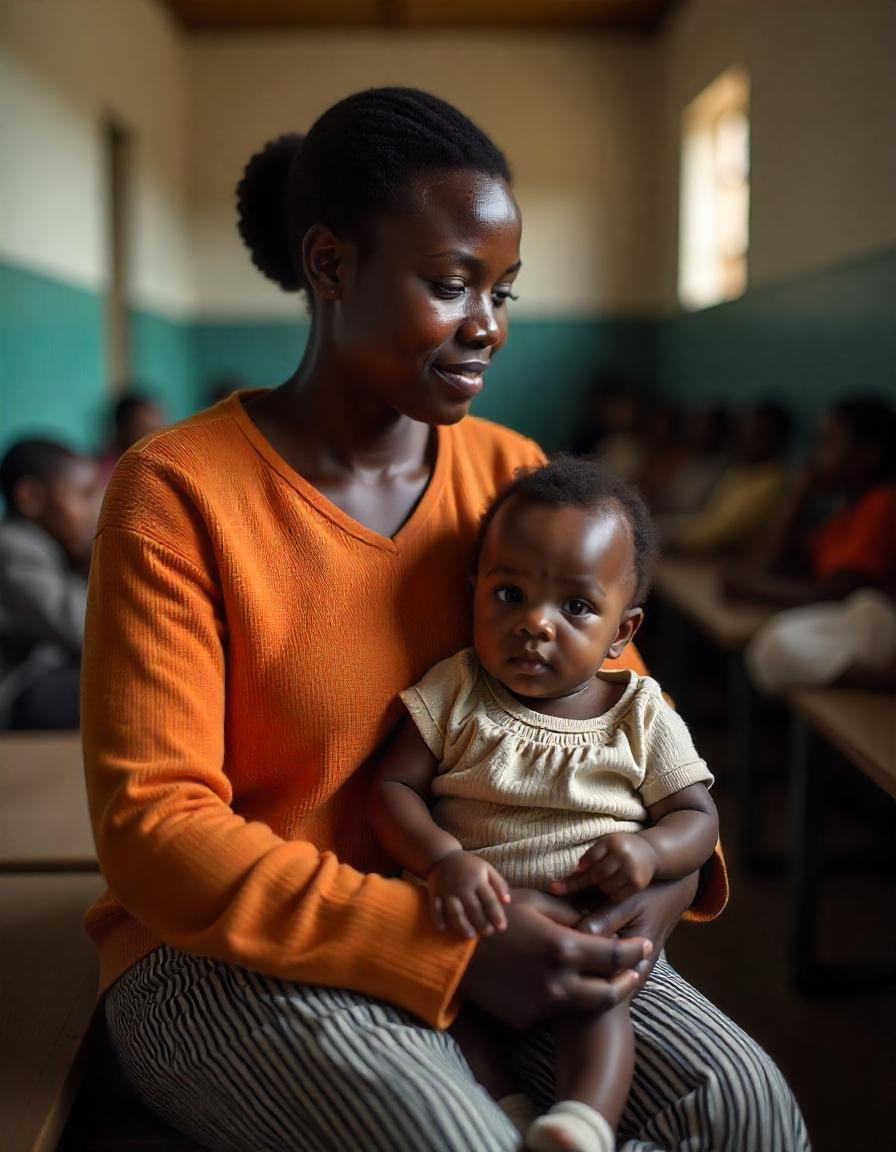
Anita is a young mother living with her parents in Kiambu, where she is currently preparing to welcome her second child and caring for her young son. Seven months into her pregnancy, she is not working at the moment because the demands of her pregnancy make it difficult to take on physically demanding work, but she continues to contribute where she can by helping her mother with light duties at home and at the family grocery shop.
Her mother remains an important source of support, providing for Anita and her child with what she earns from the small grocery business, even as she also has other children who depend on her. The family is therefore managing with limited resources, and Anita does not currently have an independent source of income.
One of Anita’s immediate priorities is ensuring that she can access the healthcare she will need when she delivers. She plans to complete her SHA registration in Kikuyu, but at the time of the home visit, she had only Ksh 300 (USD2.50) towards the required amount and was still short of Ksh 500(USD3.80). She remains hopeful that she will raise the balance and complete the registration so that she can access the necessary medical services.
The family is also aware of the man believed to be the father of Anita’s unborn child. According to Anita’s mother, he has so far been reluctant to engage with the family, and the family plans to approach him after the baby is born to discuss his responsibility and support for the child. Beyond these practical concerns, Anita spoke openly about her previous experience with incarceration and described it as an experience that changed the way she looks at her life. She acknowledged the mistakes she made and said that she has learnt from what happened, expressing a clear desire not to find herself in a similar situation again.
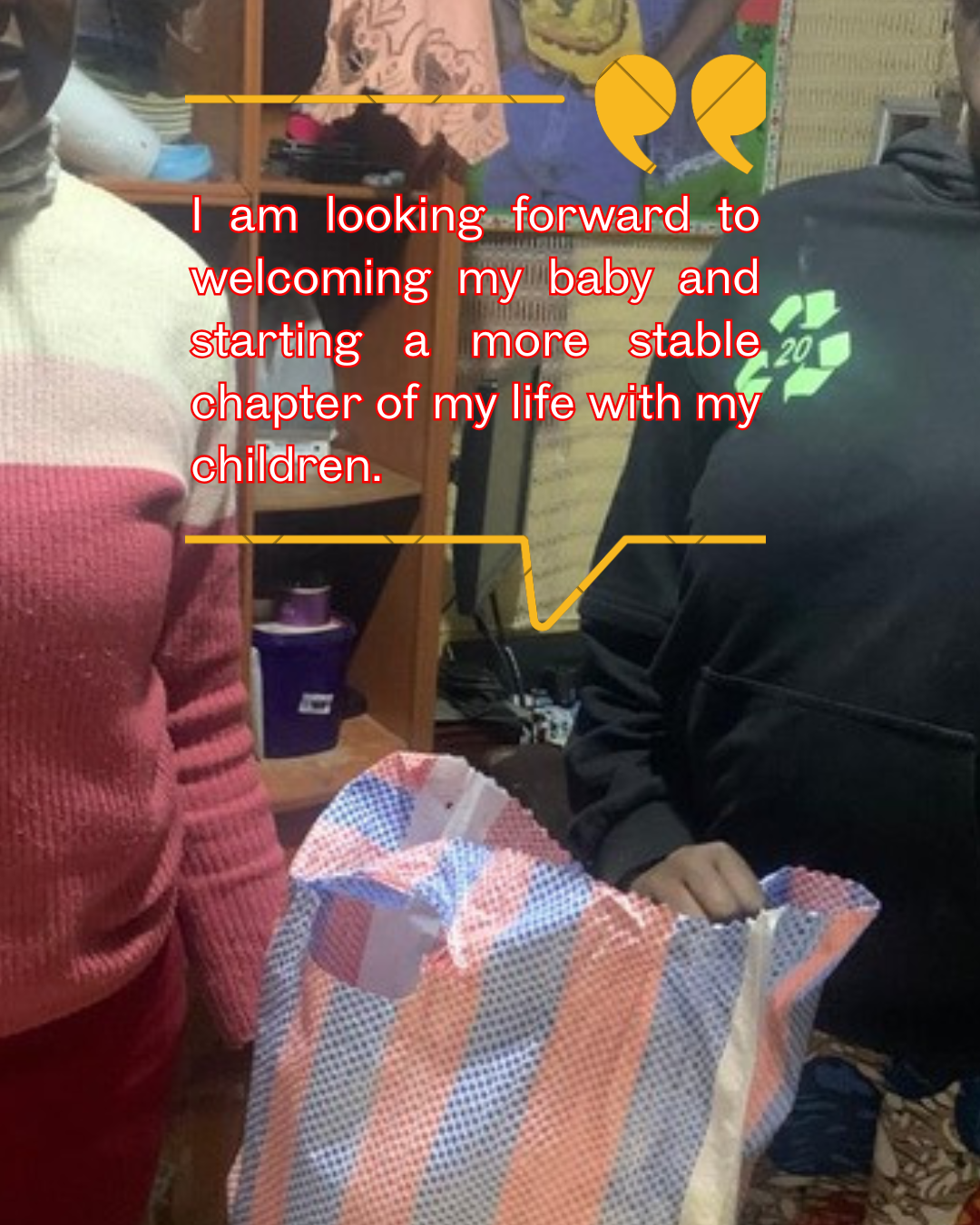
Her pregnancy has strengthened that determination, as Anita is looking forward to becoming a responsible mother and building a life that is more stable for herself and her children. At this stage, her focus is on delivering safely, caring for her children, continuing to receive the support of her family, and eventually finding a way to become financially independent. Anita’s journey also highlights the importance of looking beyond the circumstances that brought someone into contact with the justice system and understanding the realities they face when they return home. A person may leave incarceration, but rebuilding a life requires family support, access to essential services, psychosocial care, opportunities for economic independence, and pathways that help prevent a return to the justice system.
At Justice Nest, our work through the Children and Mothers Diversion and Restorative Justice Program, Mending the Nest, recognises that justice must extend beyond the courtroom and into the lives of the people and families affected by incarceration. By connecting legal support with social and family-centred interventions, we seek to help mothers and children navigate the challenges that follow contact with the justice system while creating opportunities for dignity, restoration, and a more stable future.
For Anita, the journey continues as she prepares to welcome her child, care for her family, and take the next steps toward independence. Her story reminds us that sometimes a new beginning starts quietly at home, with family support, determination, and the opportunity to choose a different path.
Janett Muasa - Justice Nest Social Worker

.jpeg)
.jpeg)