Stories
October, 2026
🏺 Kintsugi and the Complainant’s Voice: A Search for Accountability
Trust is not always easy to rebuild once it has been broken. For LMK, a shop owner in Mombasa, the disappearance of KSh 50,000 (approx.USD 385) was more than a financial loss; it left her feeling violated and uncertain about the trust she had placed in someone working for her.
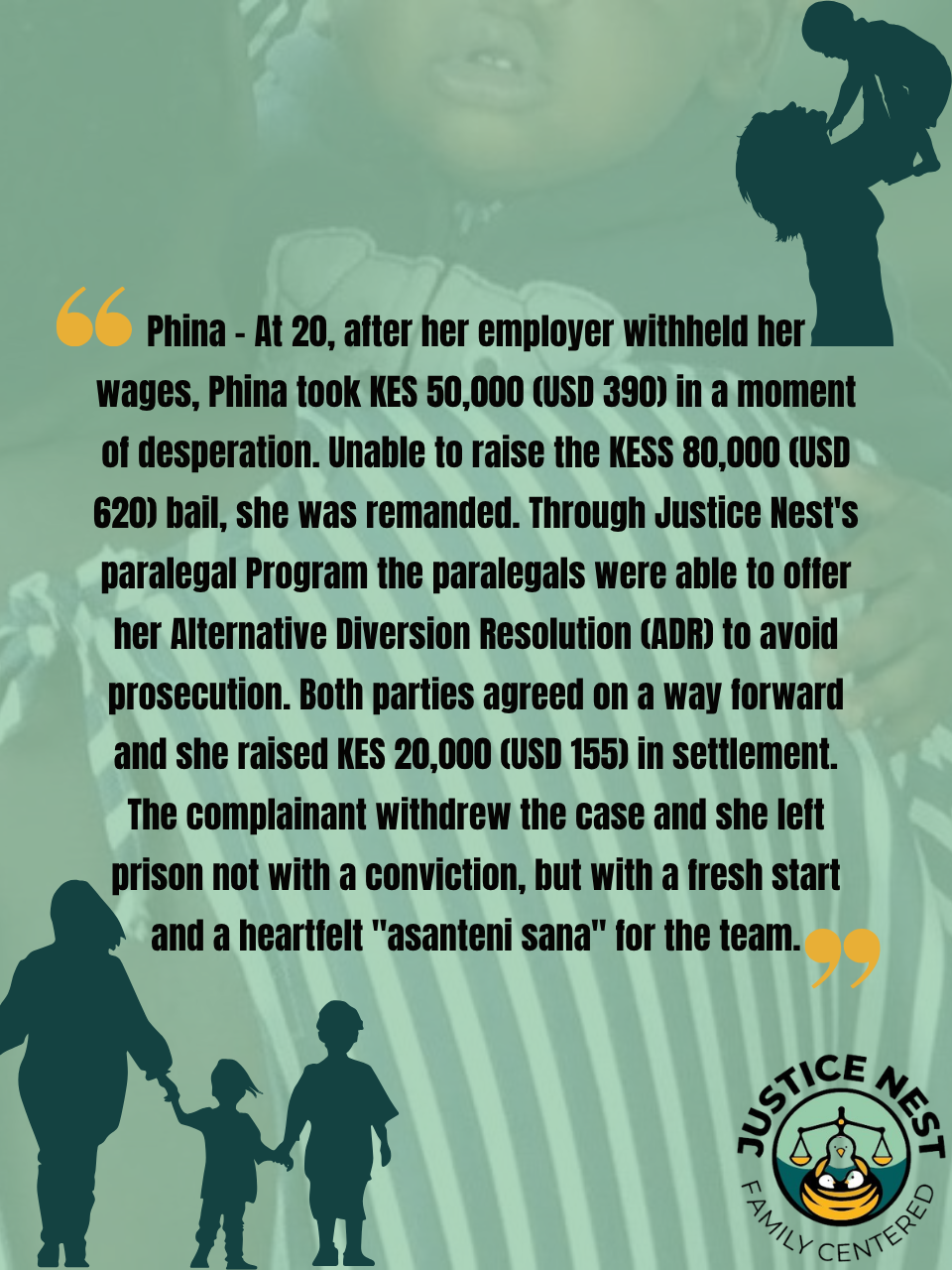
When the money went missing, LMK reported the matter to the authorities. The person suspected was Saumu, a 20-year-old shop attendant who had travelled from Nairobi to Mombasa in search of better opportunities. Saumu was arrested and charged at Shanzu Law Courts. Unable to raise the required bail terms, she was remanded at Shimo La Tewa Prison. It was during a legal awareness session that she learnt about Justice Nest and later approached the organisation for legal assistance.
When the Justice Nest team engaged LMK, it became clear that her concerns extended beyond the missing money. She wanted accountability. She wanted the harm she had experienced to be acknowledged, the money returned and an apology offered. Initially, she was unwilling to consider withdrawing the case because she feared that doing so might allow Saumu to avoid responsibility for what had happened.
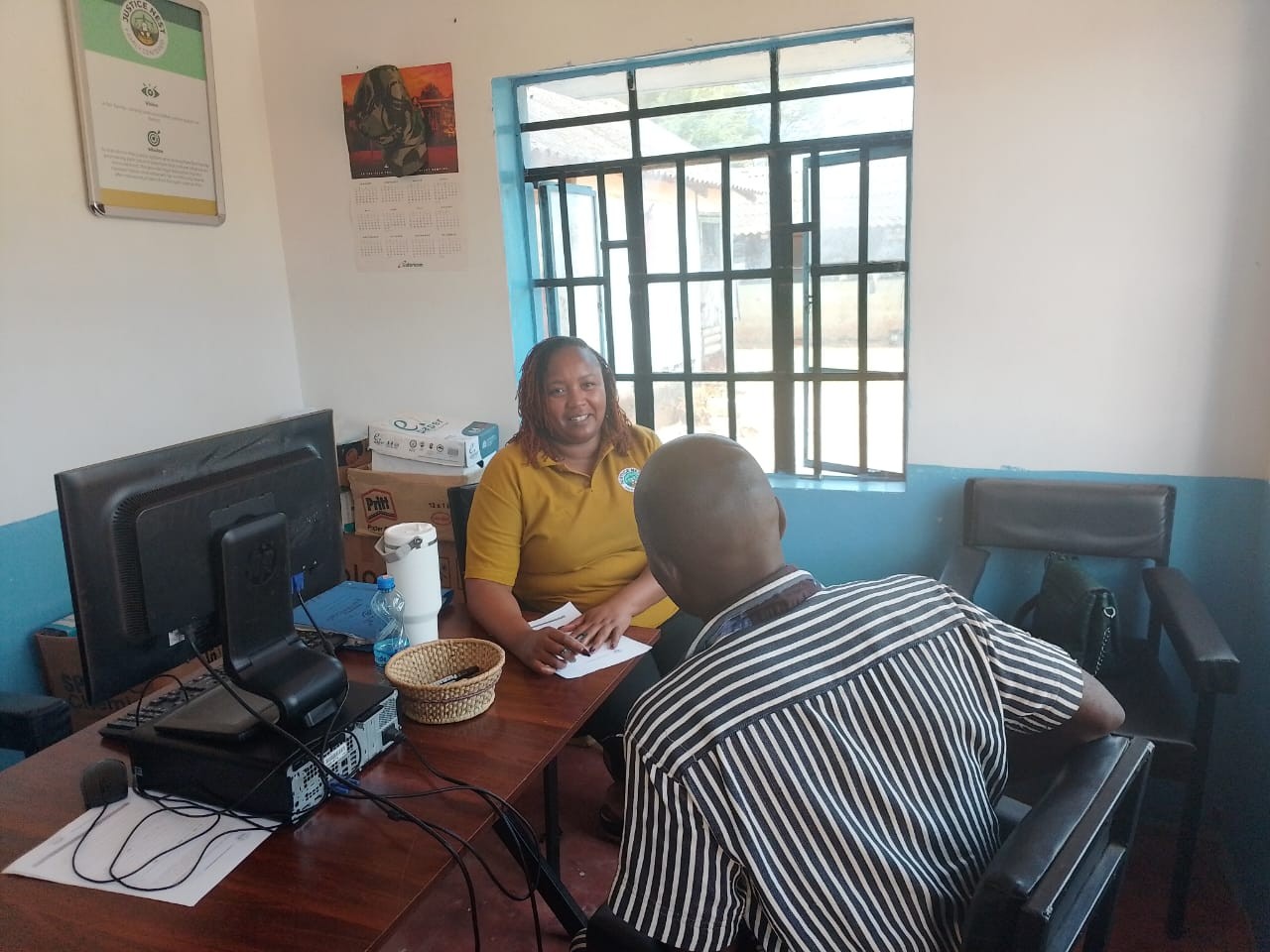
Rather than assuming what justice should look like for LMK, the team created space for her to express her concerns and explain what she needed from the process. Through dialogue and facilitated engagement, she gradually became open to an alternative resolution. The parties agreed that the money would be repaid and that LMK would attend court to withdraw the matter. She subsequently attended court and formally withdrew the case.
For LMK, the resolution was not simply about ending criminal proceedings. It was about whether the process had addressed the harm she experienced and provided a meaningful path towards accountability and restoration. Her participation and stated needs remained central to the resolution, demonstrating the importance of listening to complainants rather than treating them merely as witnesses in a criminal case.
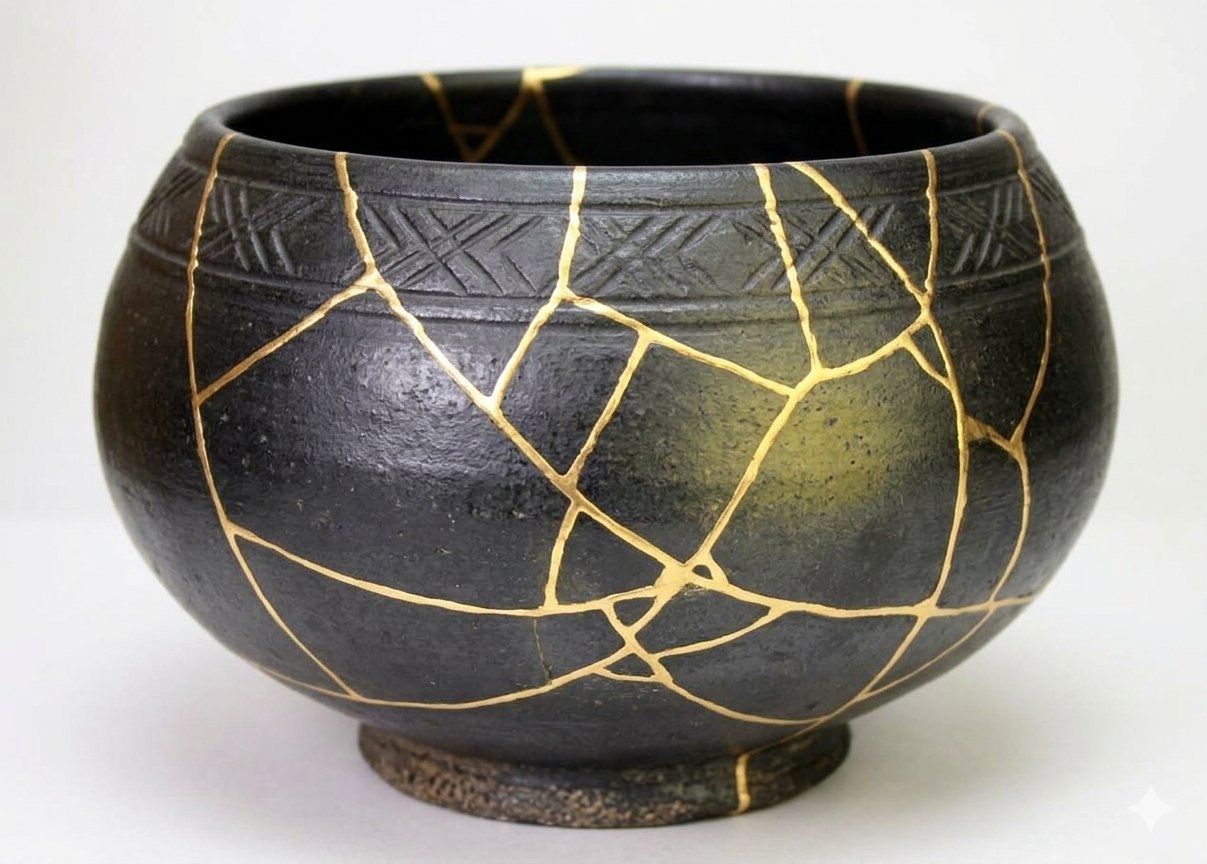
This experience brings to mind kintsugi, the Japanese art of repairing broken pottery with gold. Rather than concealing the cracks, kintsugi acknowledges the break and makes the repair part of the object's story. The repaired piece carries evidence of what happened while taking on a renewed form.
In much the same way, restoring trust does not mean pretending that harm never occurred. It requires acknowledging what was broken, taking responsibility and making a genuine effort to repair the damage. For LMK, the agreed repayment and apology offered a way to address the loss and begin the process of rebuilding trust.
Her story illustrates why justice should not be reduced to a conviction or the closure of a case file. For some complainants, meaningful justice may involve restitution, an apology, accountability or the opportunity to move forward. For others, the needs and desired outcomes may be different. Alternative Dispute Resolution (ADR), where appropriate and voluntarily pursued, can create space for these conversations and help parties explore resolutions that respond to the harm experienced.
At Justice Nest, the belief is that the complainant’s voice must be heard and their experience taken seriously. Asking “What would justice look like to you?” helps create room for a more thoughtful understanding of accountability and restoration, without assuming that one outcome will meet everyone's needs.
Like kintsugi, restorative justice does not erase the cracks. It acknowledges them and seeks a meaningful way forward. Because justice is not only about what happened, but also about how harm is acknowledged, responsibility is taken and trust may begin to be rebuilt.
.png)





.jpeg)

.jpeg)