Blog
🌍 When the World Looks at Kenya’s Prisons, Here’s the Change Happening on the Ground
In the days following a global view that placed Kenya’s justice system under an international microscope, one story emerging from Mombasa quietly illustrates what fair, humane support can look like at the community level. “Mr. Daniel Njenga” (name changed for privacy), a boda boda operator, was remanded at Shimo La Tewa Prison after a routine workday took an unexpected and painful turn.
On 16th September 2025, at the Majaoni bus stop where he works daily, Daniel was approached by a sharply dressed passenger who gave unusual instructions:
“Ride east. I’ll tell you when to stop. I’ll pay you then.”
For nearly forty minutes, they rode in silence until Daniel insisted on ending the trip. When he requested the Ksh 500 fare, the conversation escalated sharply. In frustration, Daniel uttered a threat he did not intend. Moments later, the man revealed himself not through words but through consequences: he was an advocate attached to the Mombasa Law Courts.
Ten days after the incident, police officers arrested Daniel at his home. He was charged with threatening to kill, denied bail, and taken to Shimo La Tewa, joining the thousands of Kenyans remanded while their cases make their way through the system. At a time when the world was discussing justice in Kenya through the polished lens of an international documentary, Daniel was experiencing the system in its rawest form.
When his case reached Justice Nest, our team reviewed the facts and recognised that the conflict stemmed from anger, fear, and misunderstanding, not criminal intent. Mediation, rather than escalation, offered a more constructive outcome for everyone involved. Our paralegal Captain Samuel Wachira contacted the complainant. The first calls were unsuccessful. So were the next. But Samuel persisted, checking in regularly and keeping communication open without pressure. After several weeks, the advocate agreed to revisit the matter. The timing aligned with what our team had anticipated, enough space had passed for emotions to settle.
On 4th November 2025, during a session at Shanzu Law Courts, the complainant formally withdrew the case. The magistrate released Daniel under Section 204 of the Criminal Procedure Code. For Daniel, the transition from remand to freedom was immediate but surreal. He collected his belongings in silence. Tears came later. As fortune would have it, Samuel was leaving the prison at that moment and offered him a ride home.
There was a beehive of activities and lots of excitement when Daniel’s family members, friends and neighbors learned that he had been released from prison. It became difficult to even have a chance to have his word on record. His father was very thankful to Justice Nest. We were glad that in the end, Daniel was not jailed because he had been very sorry for his mistakes. That is what Justice Nest was formed for. Bringing families together. What a success story it was!
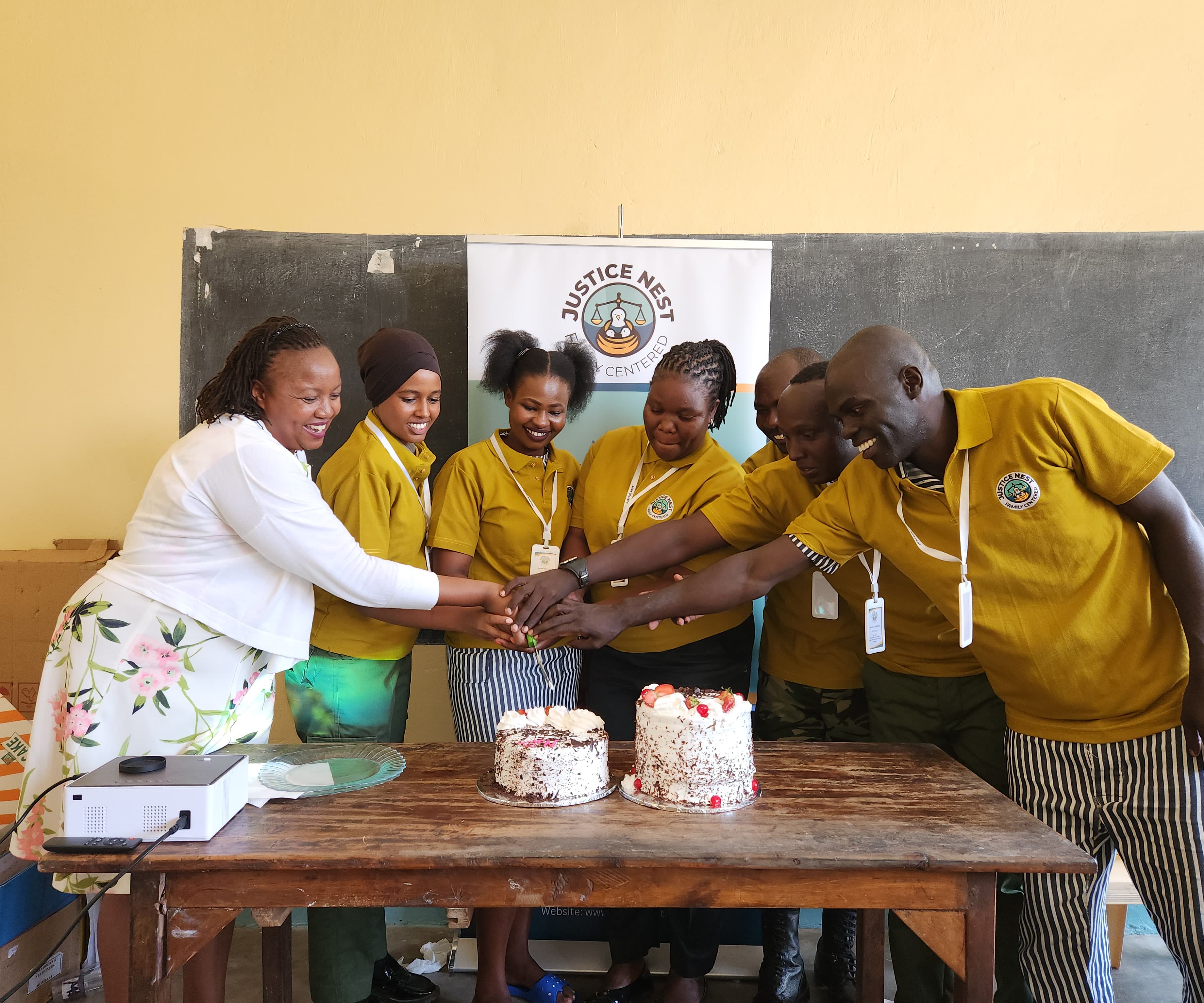
In a month when global audiences are debating what justice looks like in Kenyan prisons, Daniel’s experience shows another truth. Justice also happens in small offices, over repeated phone calls, through patience, dialogue, and mercy. These are the everyday interventions that Justice Nest carries out quietly, supporting ordinary Kenyans whose lives could otherwise be permanently derailed by a single heated moment. And in this case, one life was put back on track.











Leave a comment